
Roofers in Knocklyon | Modern Estate Housing Specialists
Knocklyon Never Had a Village to Grow Around
Knocklyon is genuinely unusual among South Dublin suburbs for a reason worth stating plainly: unlike Dalkey, Terenure, or Rathmines, it wasn't built up around a historic village centre.
For most of its history the area was open farmland in the foothills below the Dublin Mountains, with only a scattering of old cottages and farmhouses along Knocklyon Road hinting at that rural past. Development didn't really accelerate until the 1970s, when estates like Templeroan and Orlagh began transforming the farmland into the residential suburb it is today.
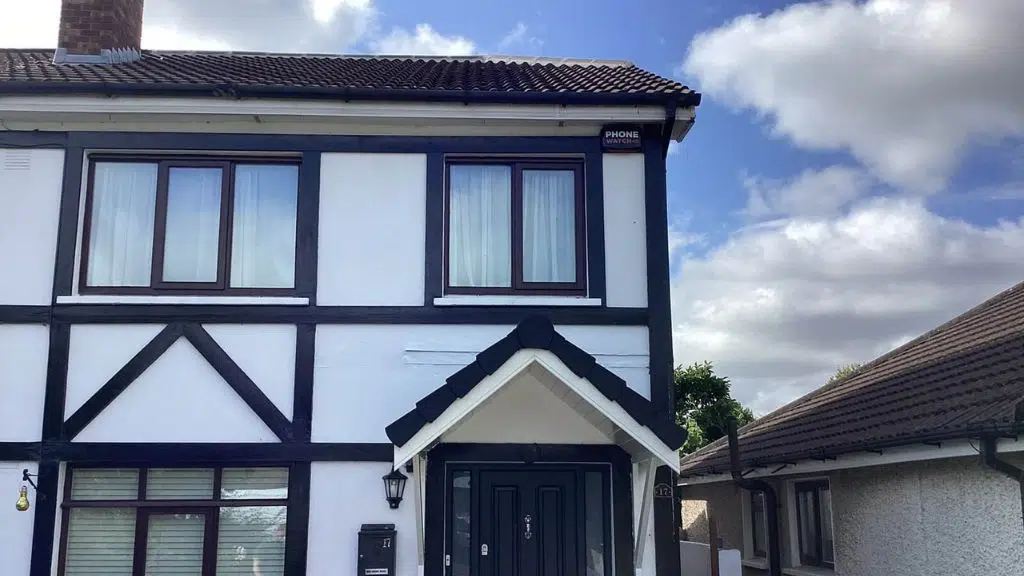
That means the overwhelming majority of Knocklyon's housing is genuinely modern — estates like Idrone, Beverly, Dargle Wood, Coolamber, Delaford, and Knockaire on the eastern side, and Castlefield, Glenlyon, Dalriada, and Woodstown to the west of the M50. This is a suburb defined by 1970s-onward estate housing rather than any single period architectural style, which actually simplifies roofing decisions considerably: there's no conservation area to navigate, no protected streetscape to match, just straightforward material choice based on the property's actual age and condition.
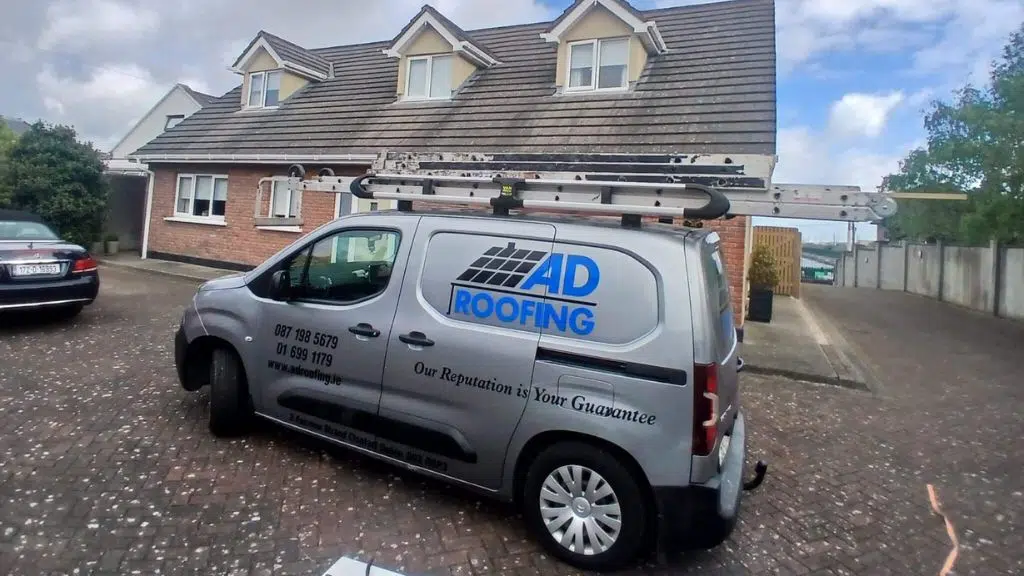

Roofing Services We Offer in Knocklyon
Whatever has gone wrong with your roof in South Dublin, Augustine and his crew handle it directly — from a single slipped slate on a period property to a complete re-roof. Learn more about our background and service guarantees on our main Roofers Dublin homepage.
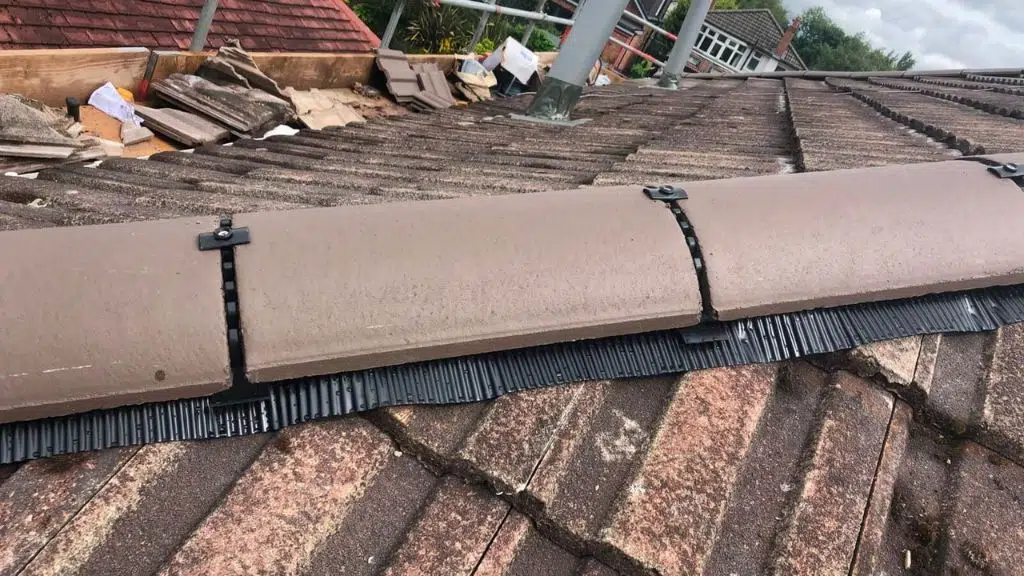
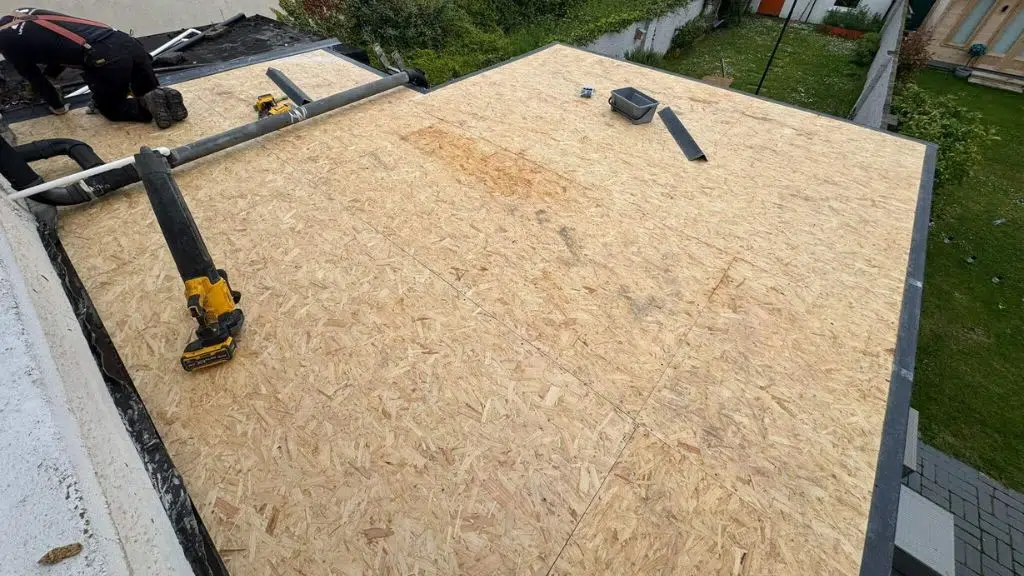
5 Star Rated Roofers In Your Area




Get Your Roof Assessed by the Person Who's Actually Doing the Work
The Handful of Genuine Exceptions Worth Knowing About
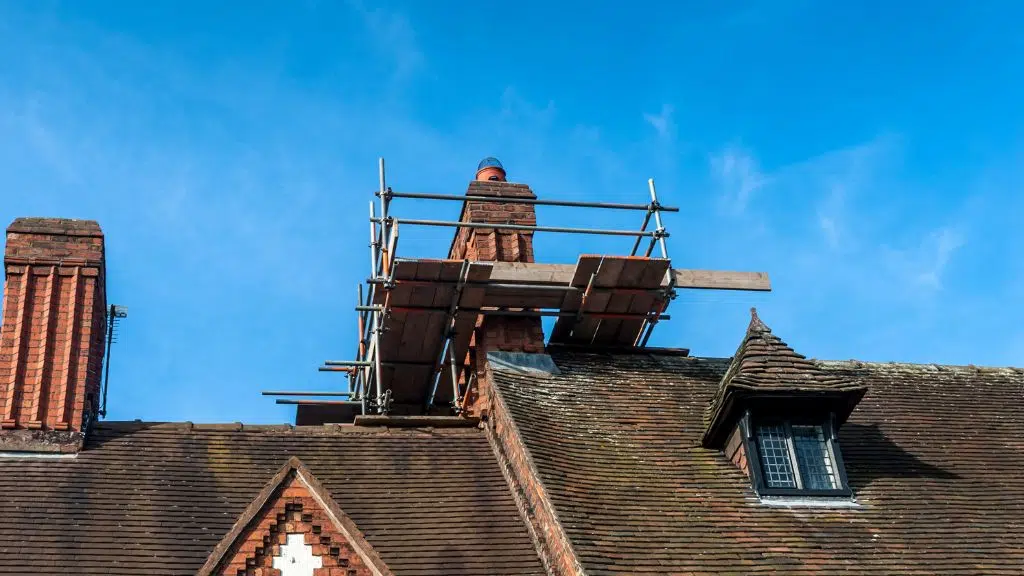
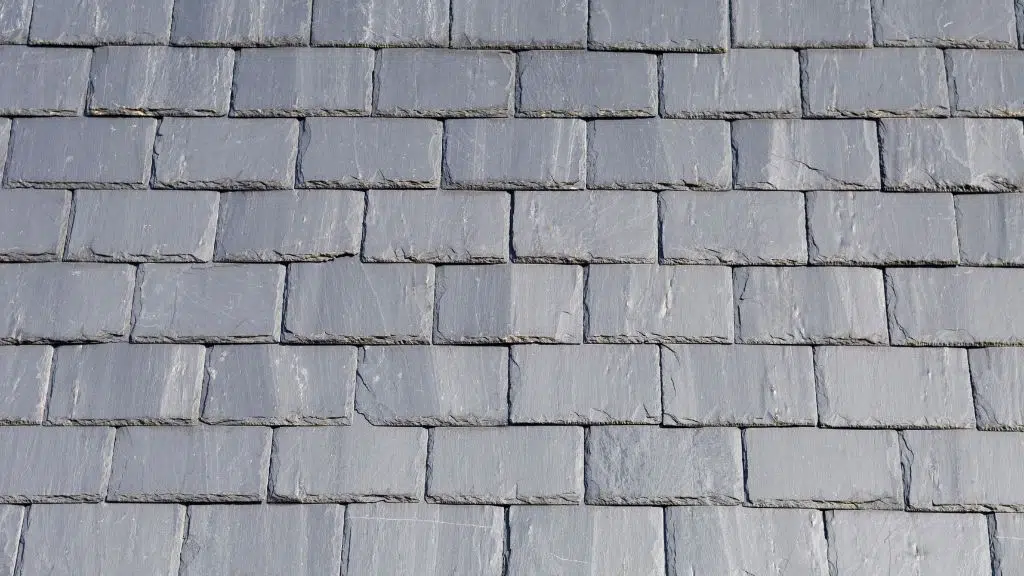
A small number of properties break entirely from that modern pattern, and they're worth flagging separately. Knocklyon House, a substantial c.1845 former country house on Knocklyon Road, still stands today with its original hipped slate roof and rendered chimney stacks intact — a genuinely protected piece of architectural history sitting among streets of much newer housing.
Nearby, Scholarstown House carries a similarly protected status, its surrounding farmland long since sold off for the estate development that now surrounds it. If your property is one of the older cottages or farmhouses along Knocklyon Road rather than part of a later estate, it needs a completely different roofing conversation to the surrounding modern housing — genuine slate matching and period consideration, not a straightforward like-for-like tile job.
The M50 itself is also a genuinely practical consideration here, not just a geographic detail. The motorway physically splits Knocklyon into eastern and western portions, connected mainly by the Firhouse Road and a flyover at Junction 12 — worth knowing if you're trying to describe exactly where your property sits relative to the rest of the suburb.
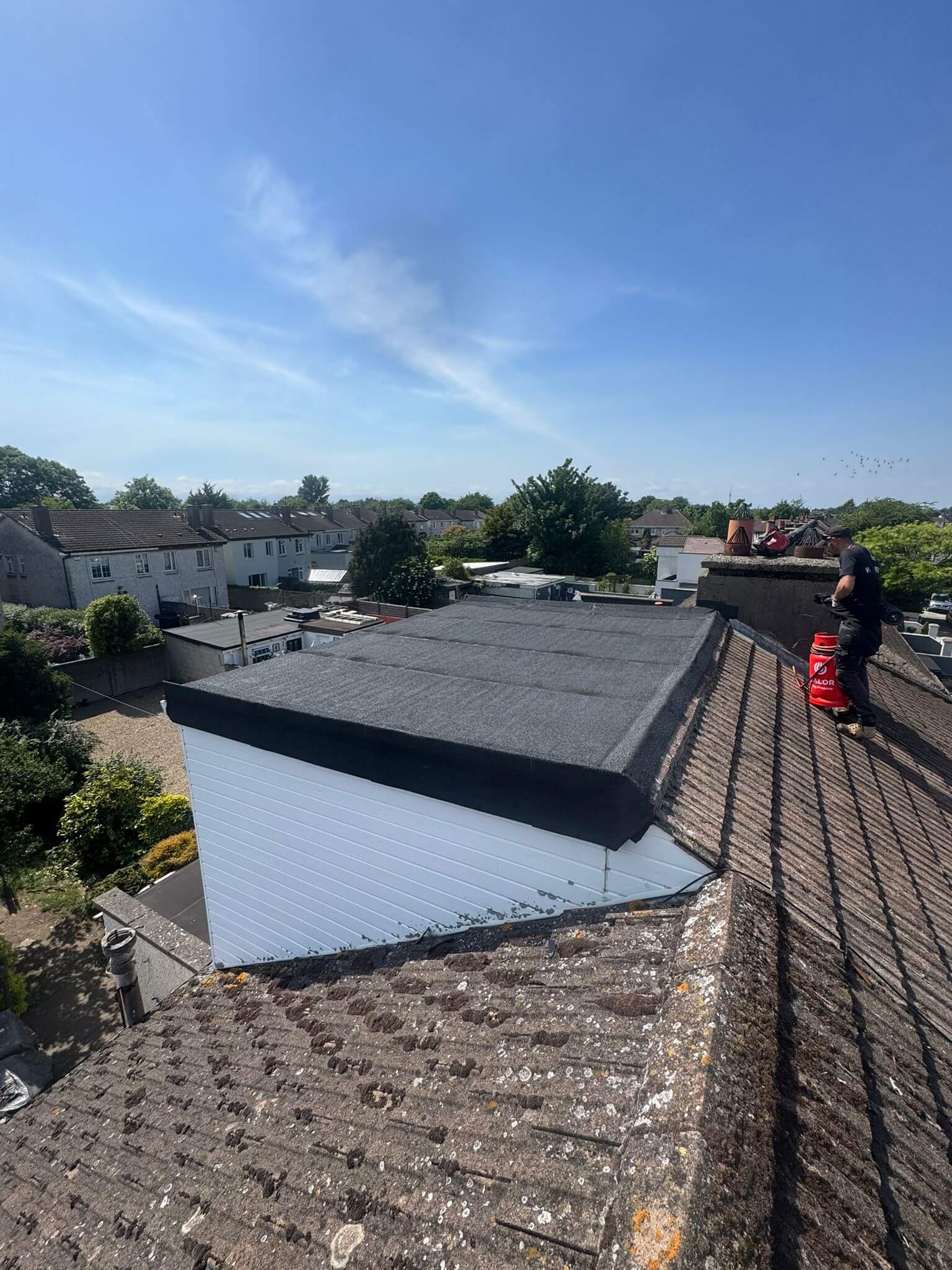
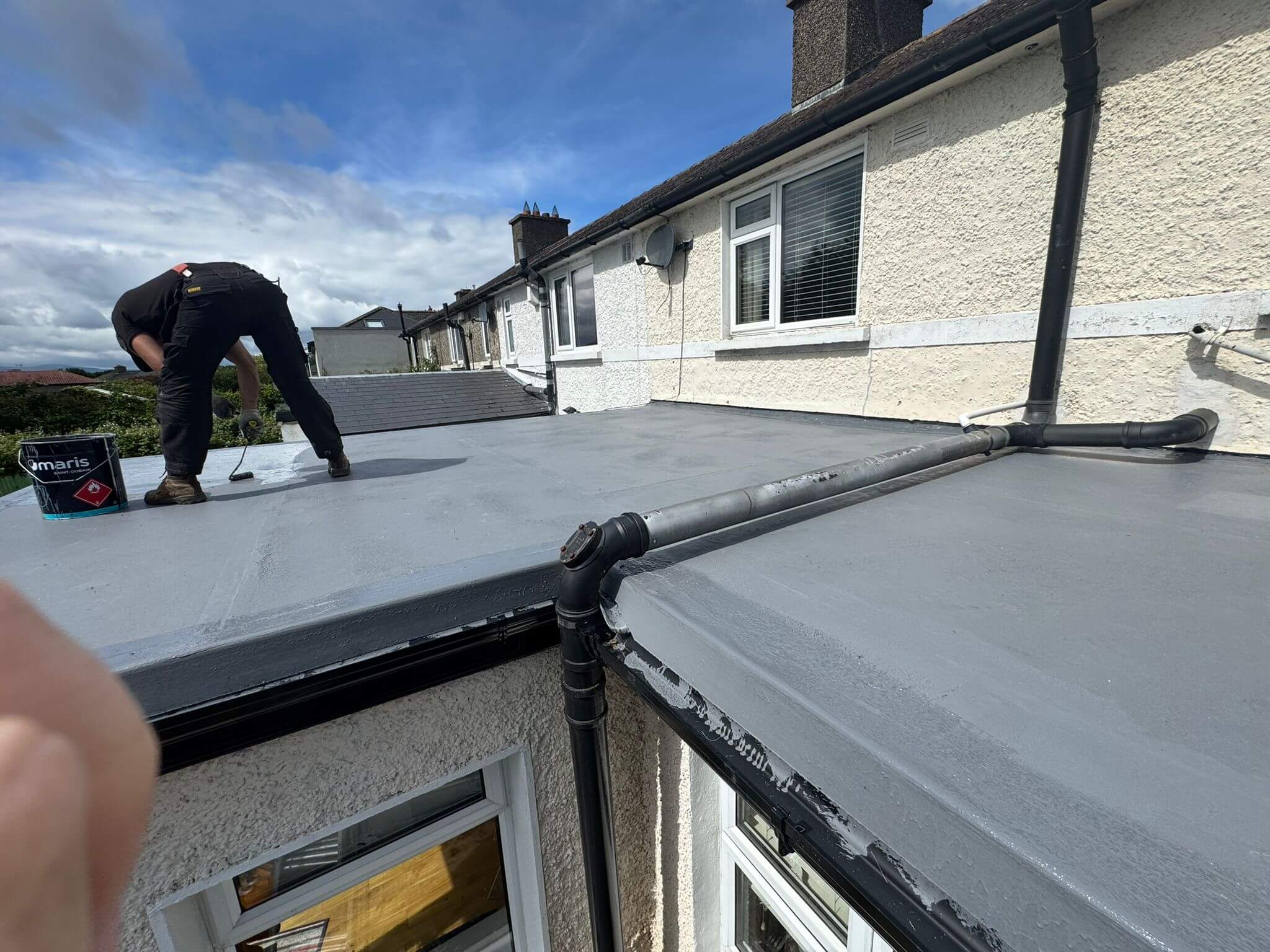
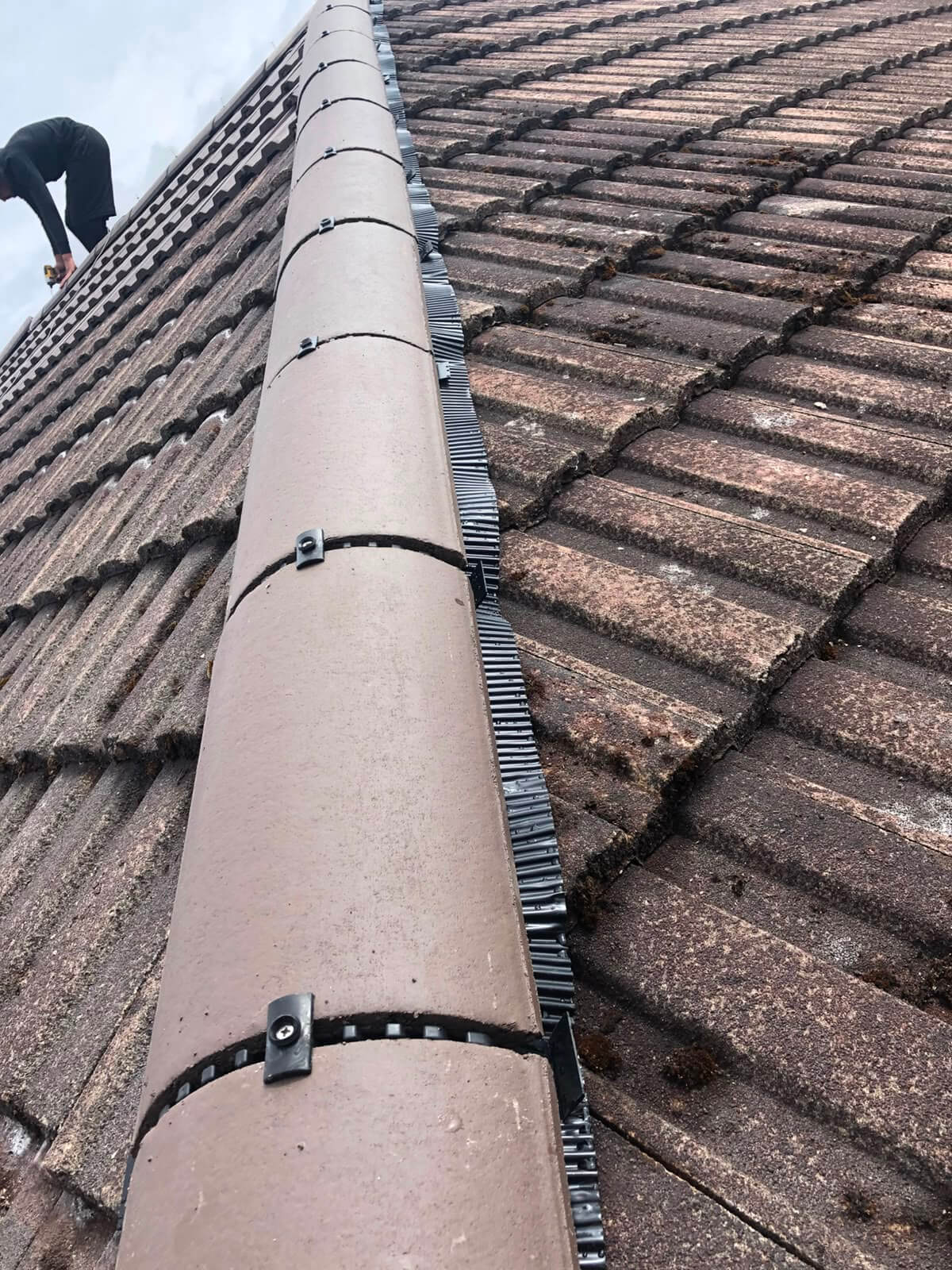
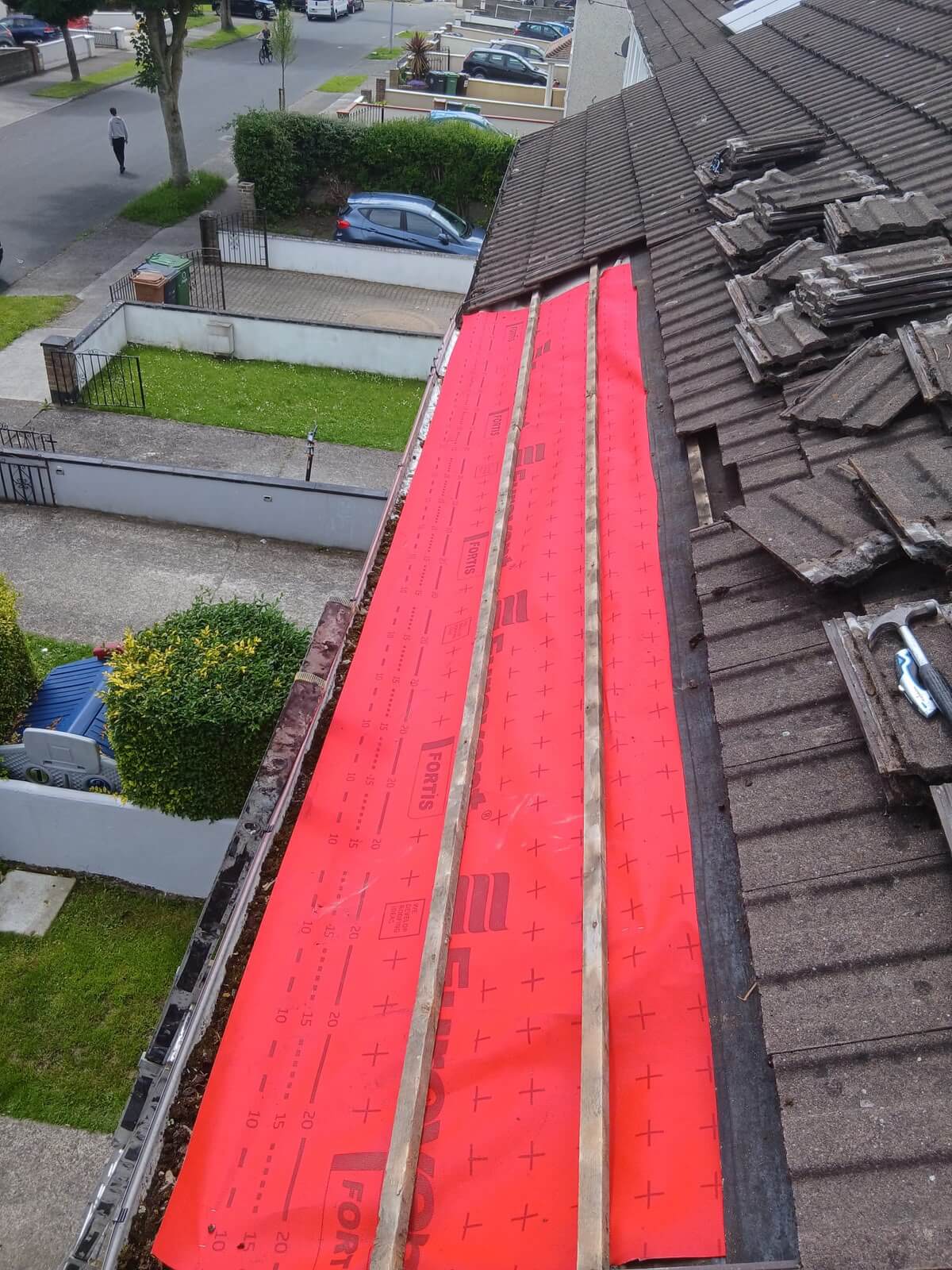
Photos Of Our Recent Roofing Work
Questions We Get Asked About Roofing in Knocklyon
Is my Knocklyon house likely to be modern estate housing, or one of the older properties?
Statistically, modern — the vast majority of Knocklyon developed from the 1970s onward as farmland gave way to housing estates. The exceptions are the scattered older cottages and farmhouses along Knocklyon Road itself, plus individually protected properties like Knocklyon House.
Does my estate house need any special conservation consideration?
Generally no — unlike areas built around historic village cores, most of Knocklyon carries no conservation restrictions, giving genuine flexibility in material choice based on budget and preference.
My property is on Knocklyon Road itself — is it one of the older buildings?
Possibly. A handful of genuine period cottages and farmhouses survive along this road specifically, distinct from the surrounding modern estates. We'll confirm during inspection.
Do you cover both sides of the M50, or just one?
Both — the estates to the east (Idrone, Beverly, Coolamber, Delaford) and west (Castlefield, Glenlyon, Dalriada, Woodstown) are all areas we work across.
Any Questions?
Ask Us
What a 1970s-2000s Estate Roof Actually Needs Now
Because Knocklyon's development happened in waves across several decades, the right roofing conversation depends heavily on which specific estate and era a property belongs to.
The earliest 1970s estates like Templeroan and Orlagh are now well past fifty years old, putting their original roofing squarely in the age bracket where a proper inspection either confirms genuine life left or reveals that small repairs have been quietly delaying a replacement.
The estates built later, into the 1990s and 2000s on the western side around Dalriada and Woodstown, are considerably younger — some, like the more recent phases of Dalriada, built to modern A-rated energy standards — and generally don't need the same level of scrutiny yet, though correct fitting still matters regardless of a roof's age.
Knowing roughly when your specific estate went up is a genuinely useful starting point before booking an inspection, since a Templeroan roof and a 2000s-built Dalriada roof are simply not facing the same questions.
Get Your Knocklyon Roof Assessed Properly, No Guesswork
Whether it's straightforward modern estate housing or one of the rare older properties along Knocklyon Road, a proper inspection tells you exactly what you're dealing with. Call Augustine directly on 087 198 5679 for a free physical inspection.