
Roofers in Clontarf | Seafront, Period & Planned Estate Specialists
Marino: One of Dublin's First Planned Housing Schemes
Bordering Clontarf is a genuinely unique piece of Irish housing history.
The Marino estate, built through the 1920s and 30s, was one of Dublin's first planned social housing schemes, and it's now protected as a conservation area in its own right — not for grand Georgian terraces or Victorian villas, but for a deliberately designed, architecturally coherent estate with its own distinctive character, including Crittall-style steel windows that set it apart from anything else in the wider Clontarf area.
A Marino property needs planning consultation with Dublin City Council before window or roofline changes, precisely because the whole point of the conservation designation is preserving that original planned character — a genuinely different kind of protection to matching Victorian slate on a seafront terrace, even though both fall under the umbrella of "Clontarf conservation work."

Roofing Services We Offer in Clontarf
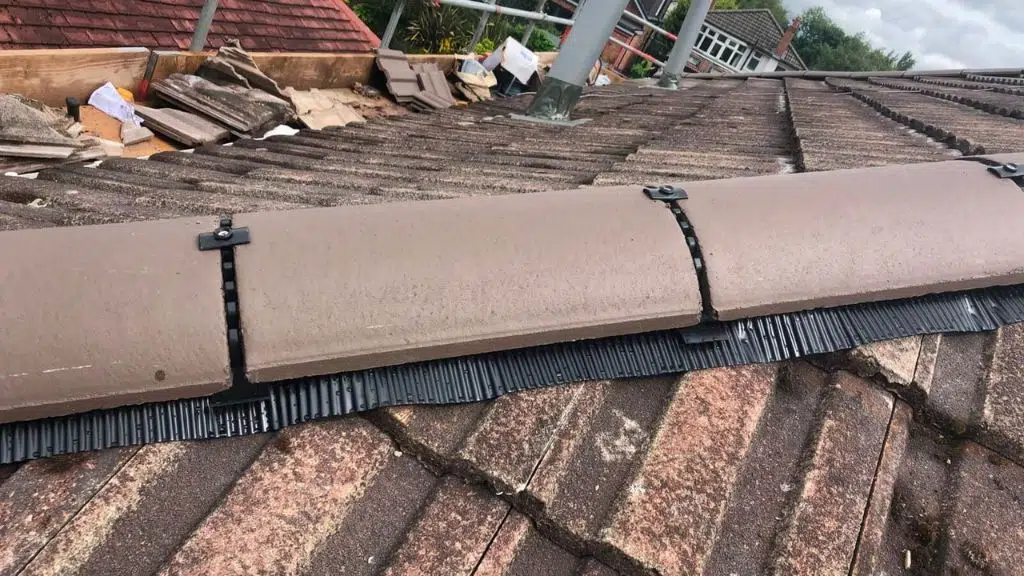
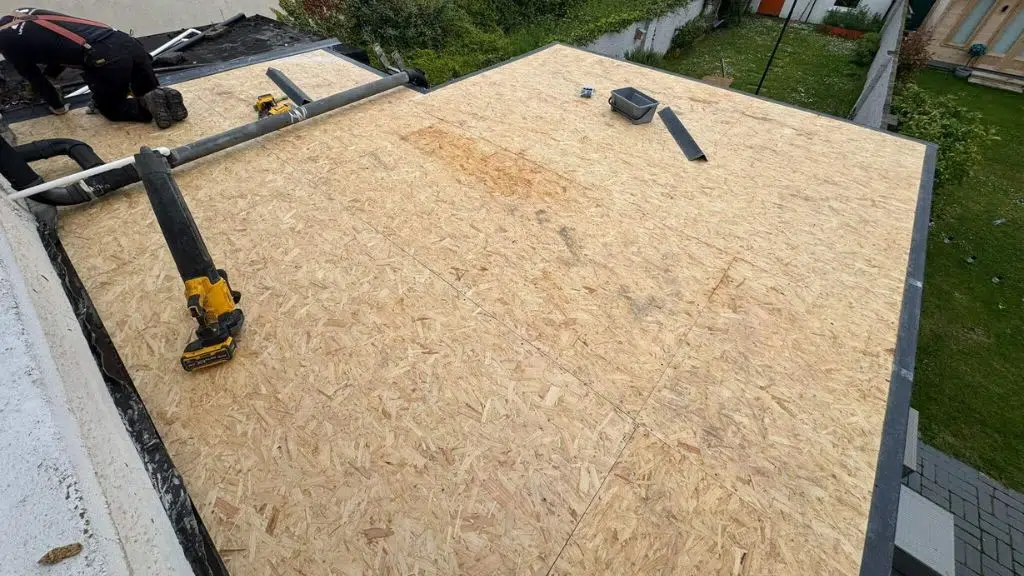
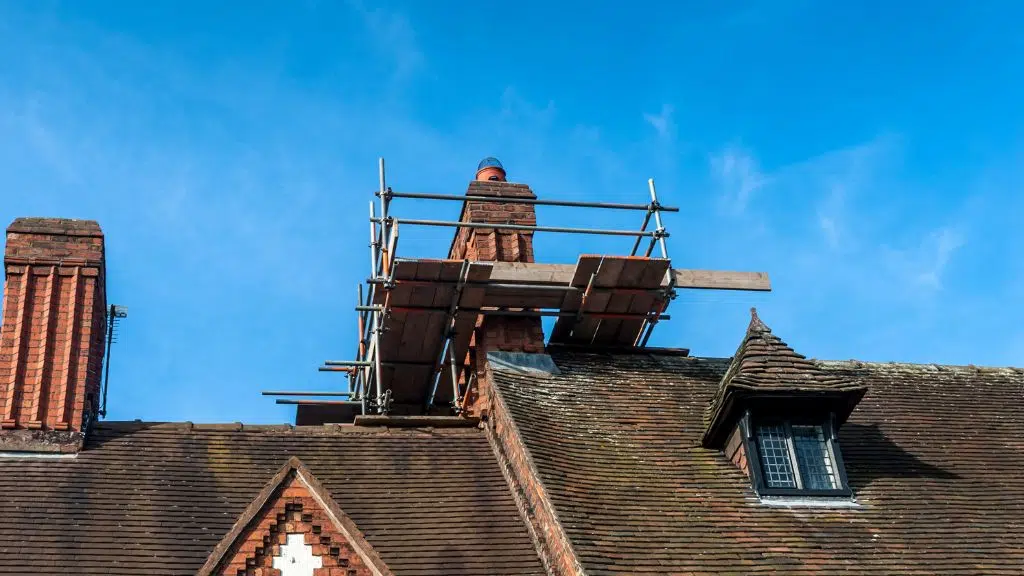
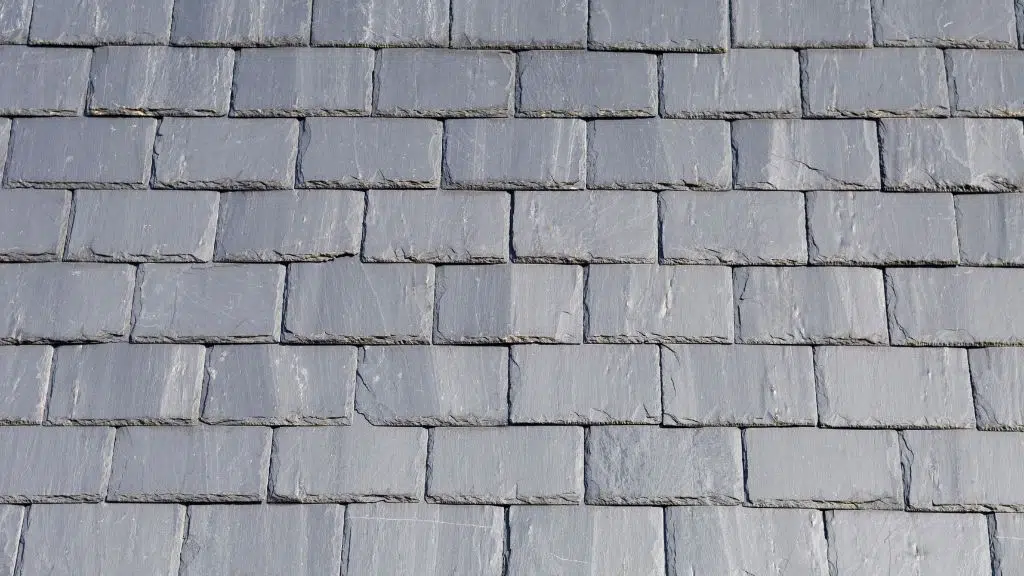
From coastal wind damage to routine tile fixes, Augustine and his team handle every job from start to finish — from minor leak repairs to full roof replacements across North Dublin. Return to our main Dublin roofing contractors hub to read customer reviews.
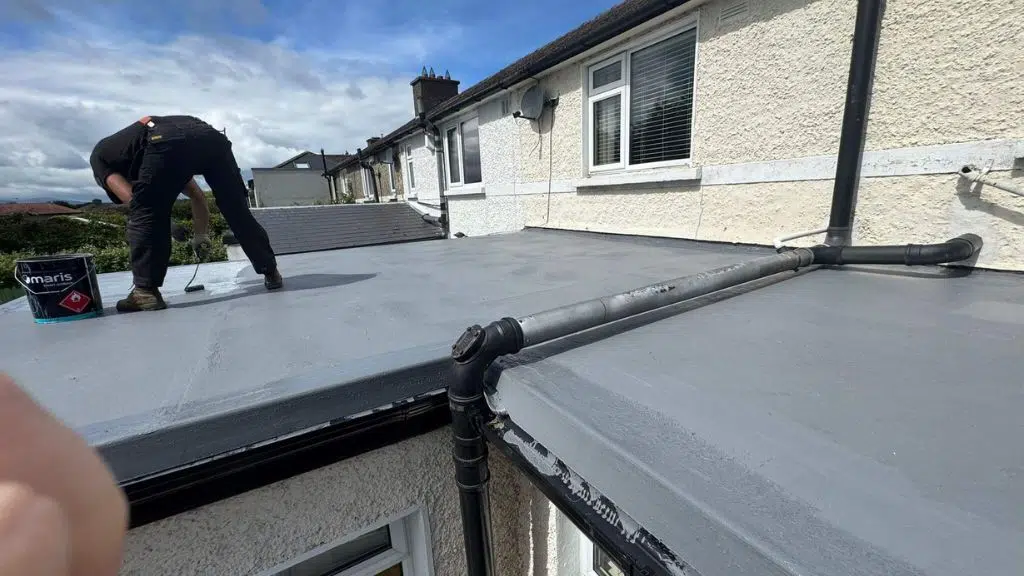
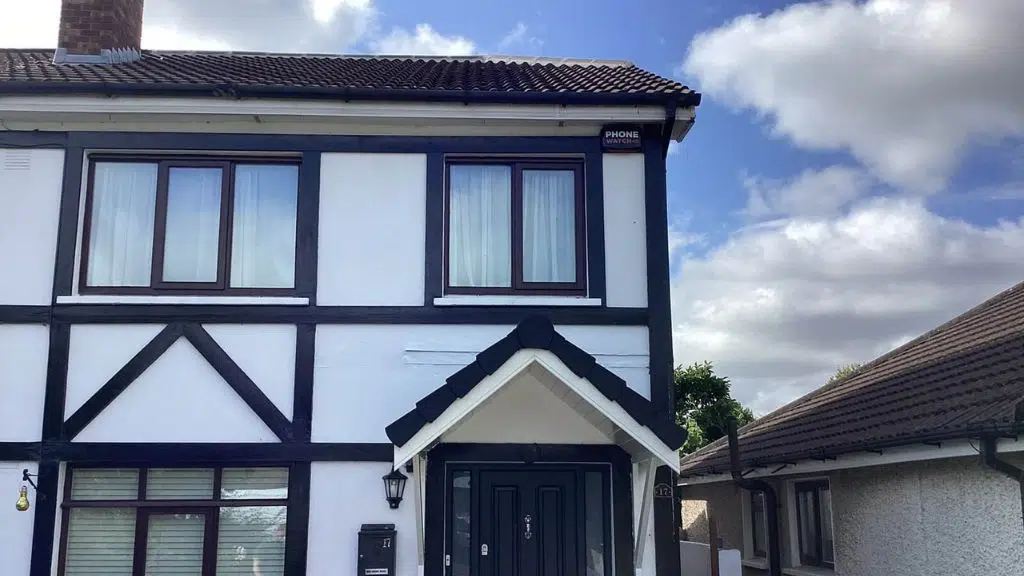
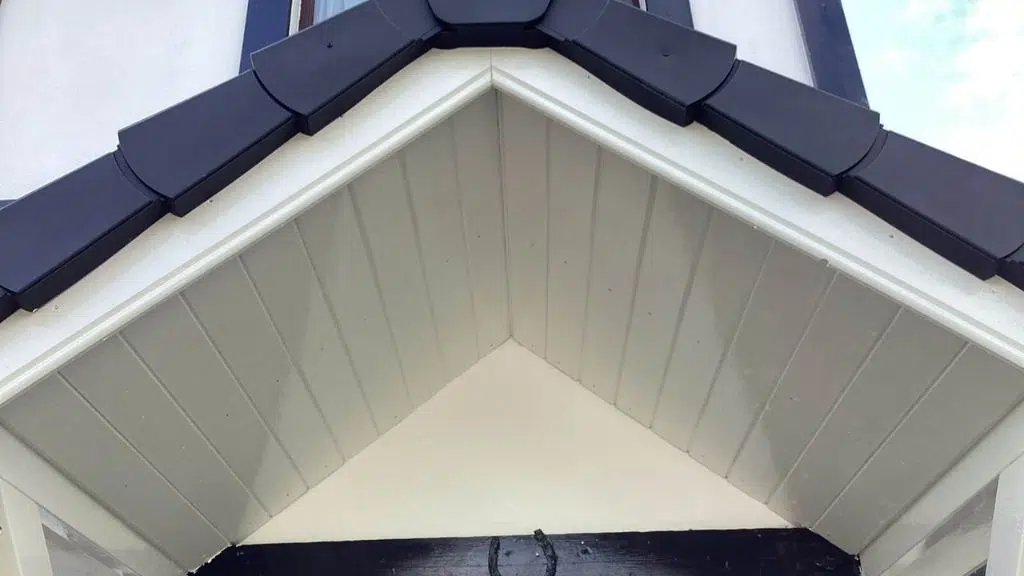
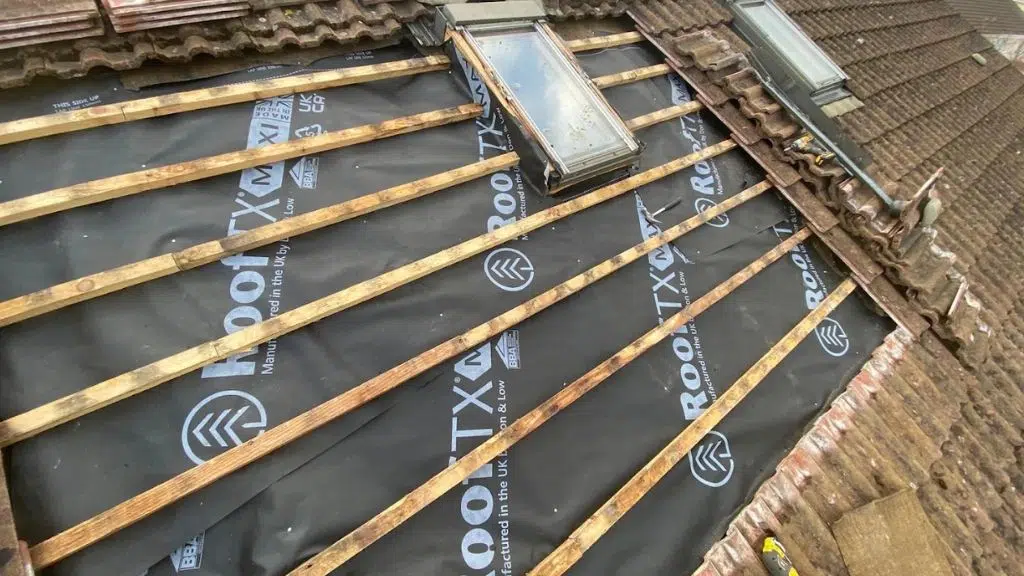
5 Star Rated Roofers In Your Area




Get Your Roof Assessed by the Person Who's Actually Doing the Work

Wind-Driven Rain Off Dublin Bay Is a Specific Problem, Not Just "Coastal Exposure"
Clontarf's seafront properties face something more specific than the general salt-air corrosion common to North Dublin's coastline.
Wind-driven rain coming directly off Dublin Bay hits seafront homes with real force, which is why the larger detached properties along the promenade and Castle Avenue were typically built with solid wall construction rather than lighter methods — and why roofing and flashing detail on these homes needs to account for genuinely aggressive weather exposure, not just salt in the air.
This matters for repair work specifically: a flashing detail that holds up perfectly on a sheltered inland street can fail faster on a seafront property exposed to Dublin Bay's wind-driven rain, which is exactly the kind of detail a generic Dublin-wide roofing quote misses.
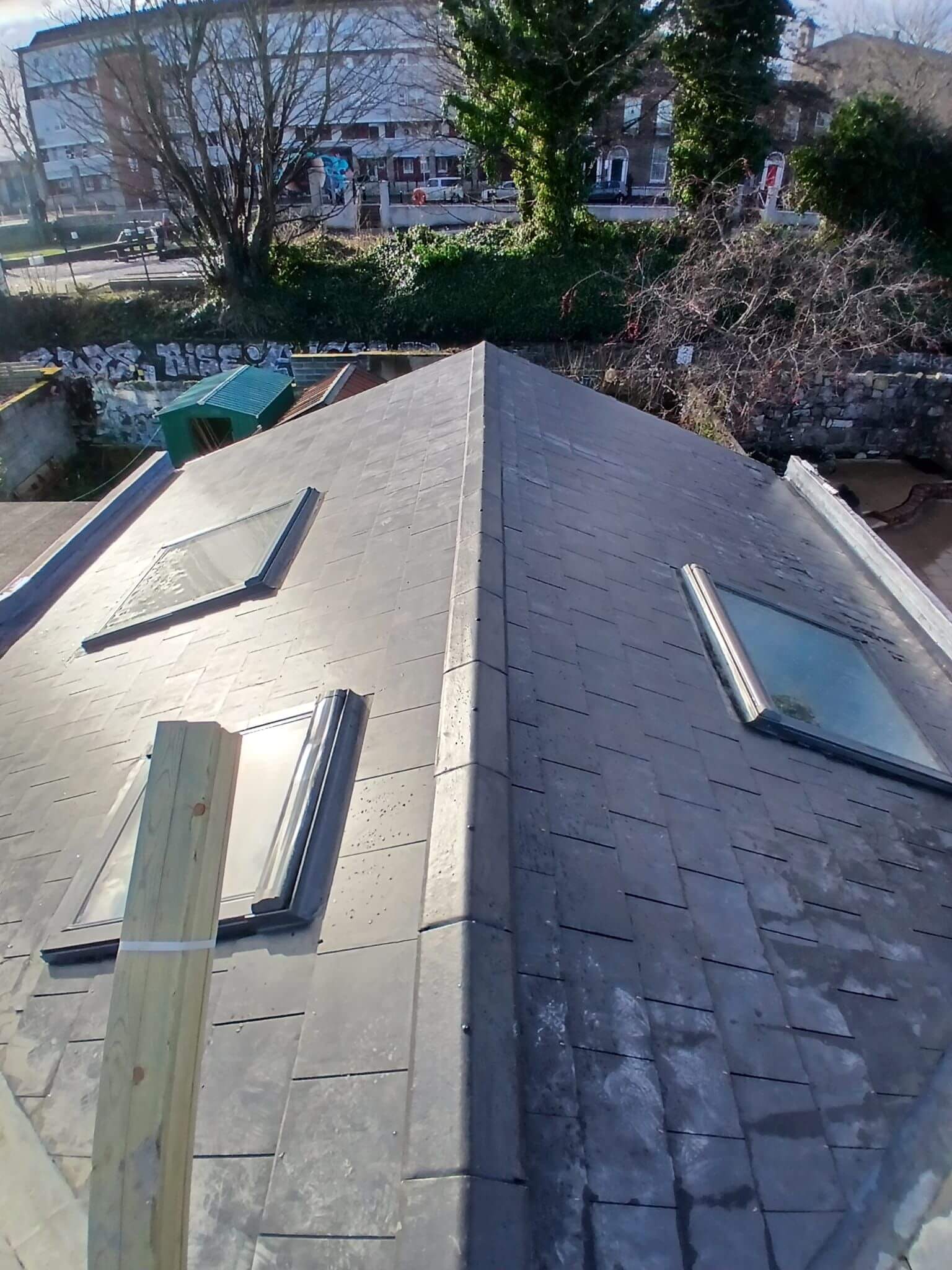
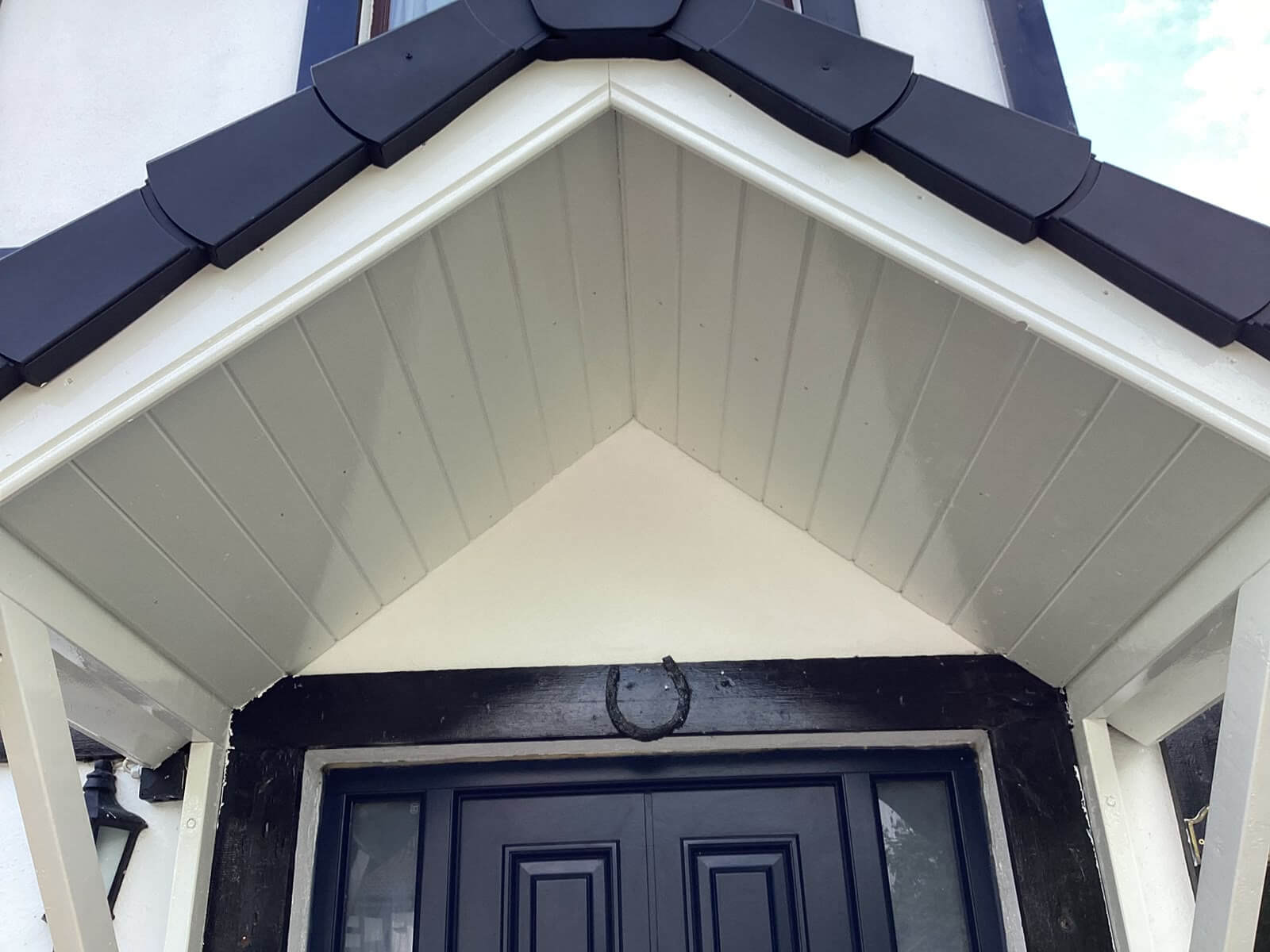
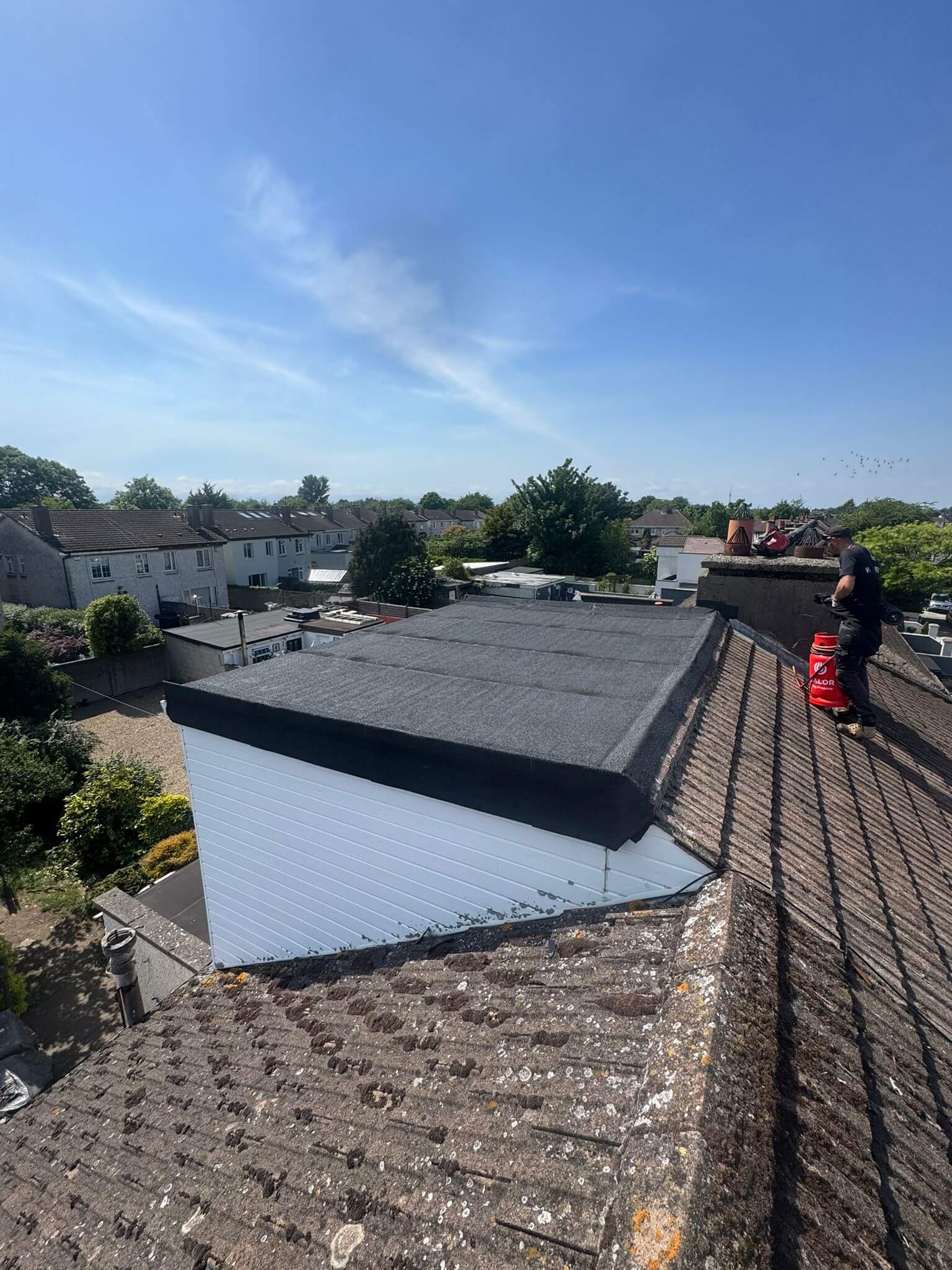
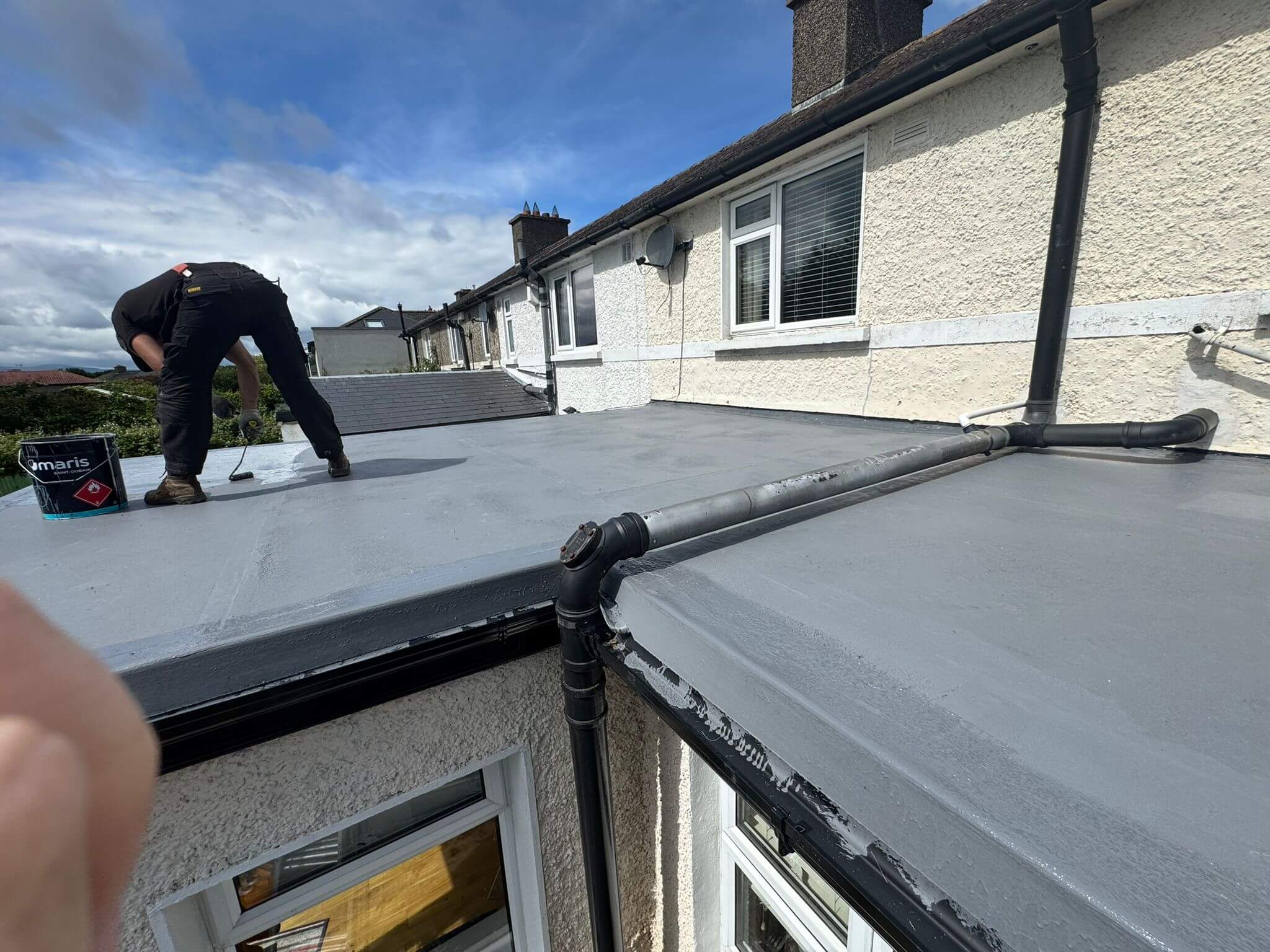
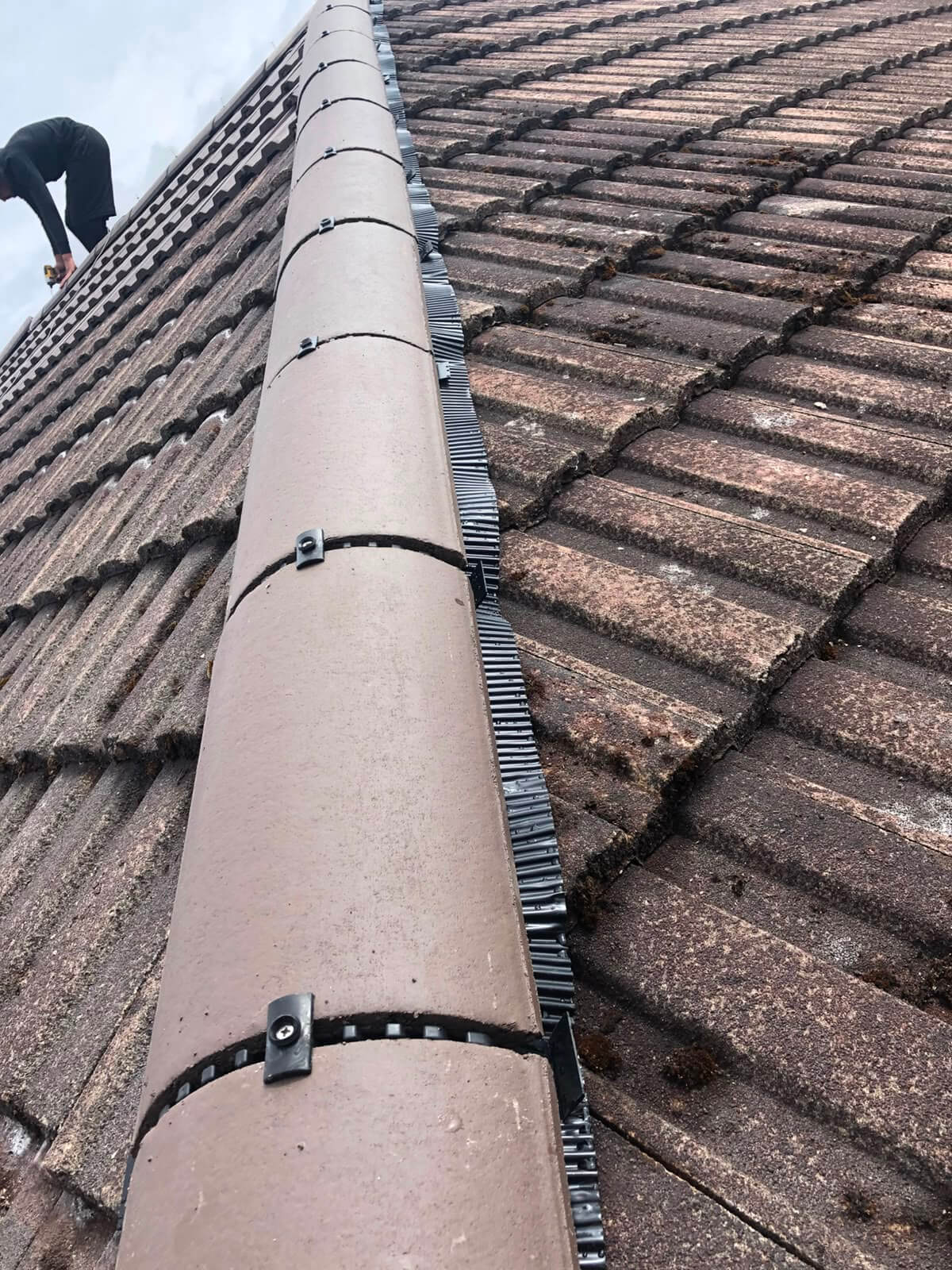
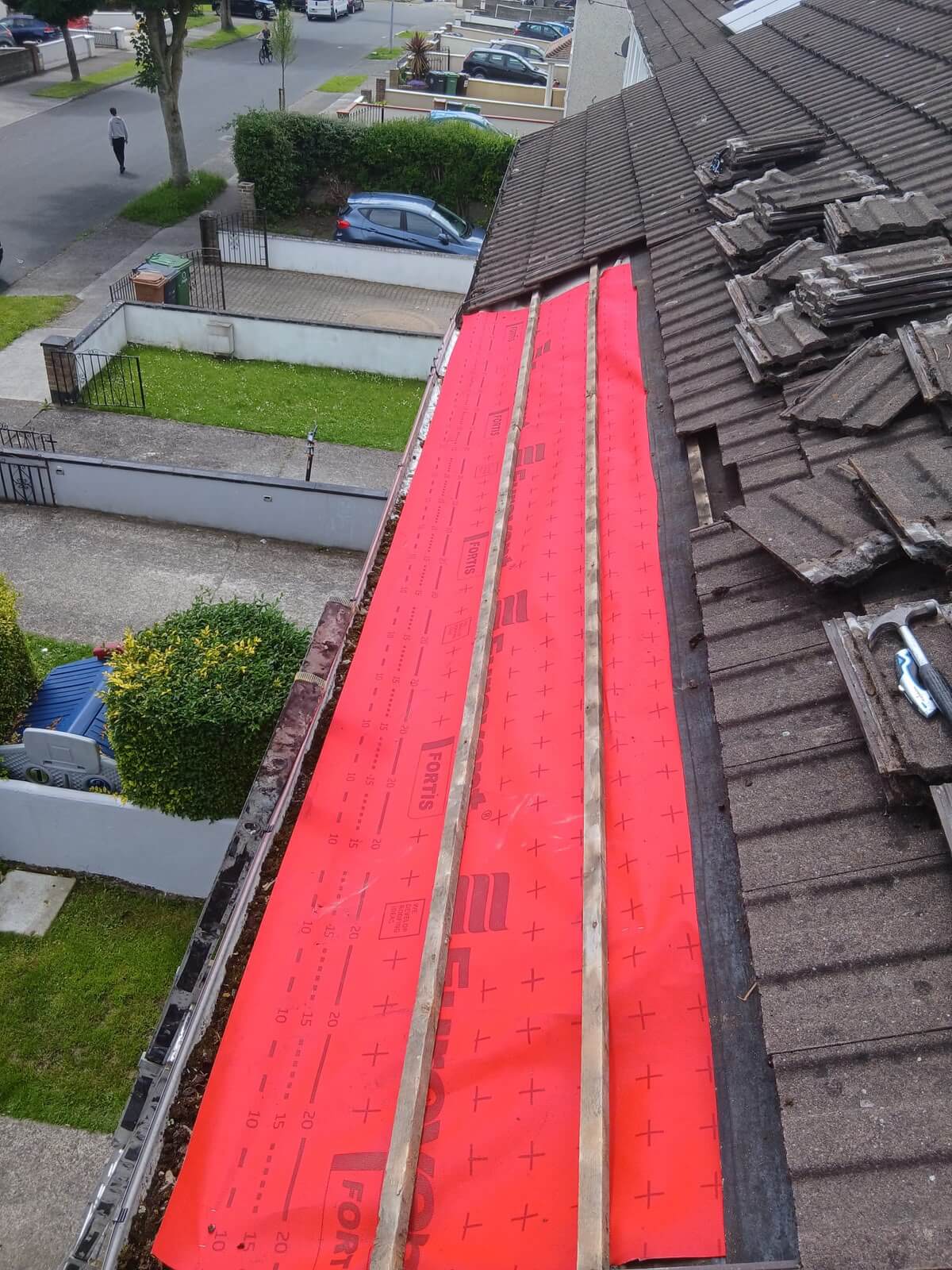
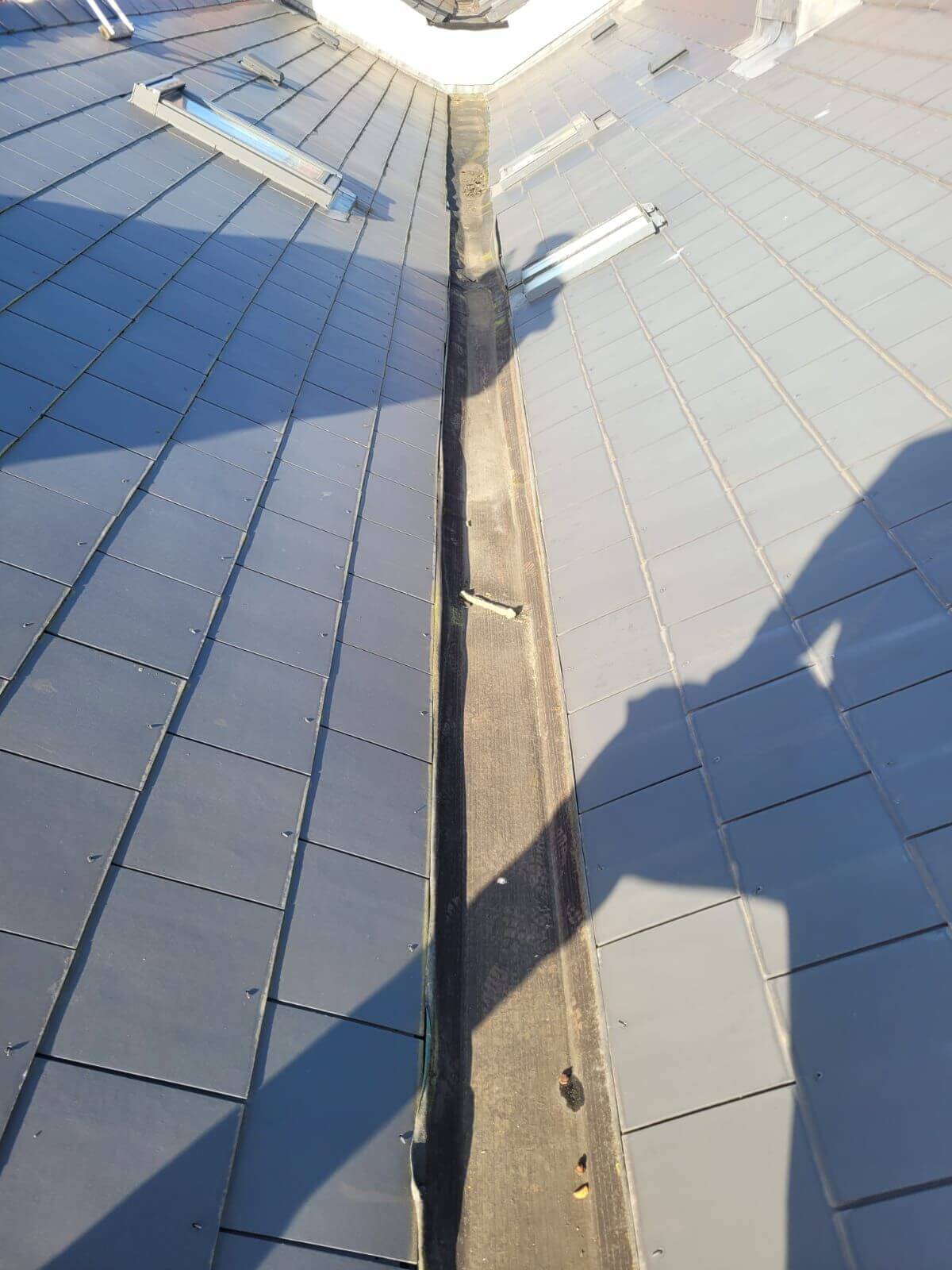
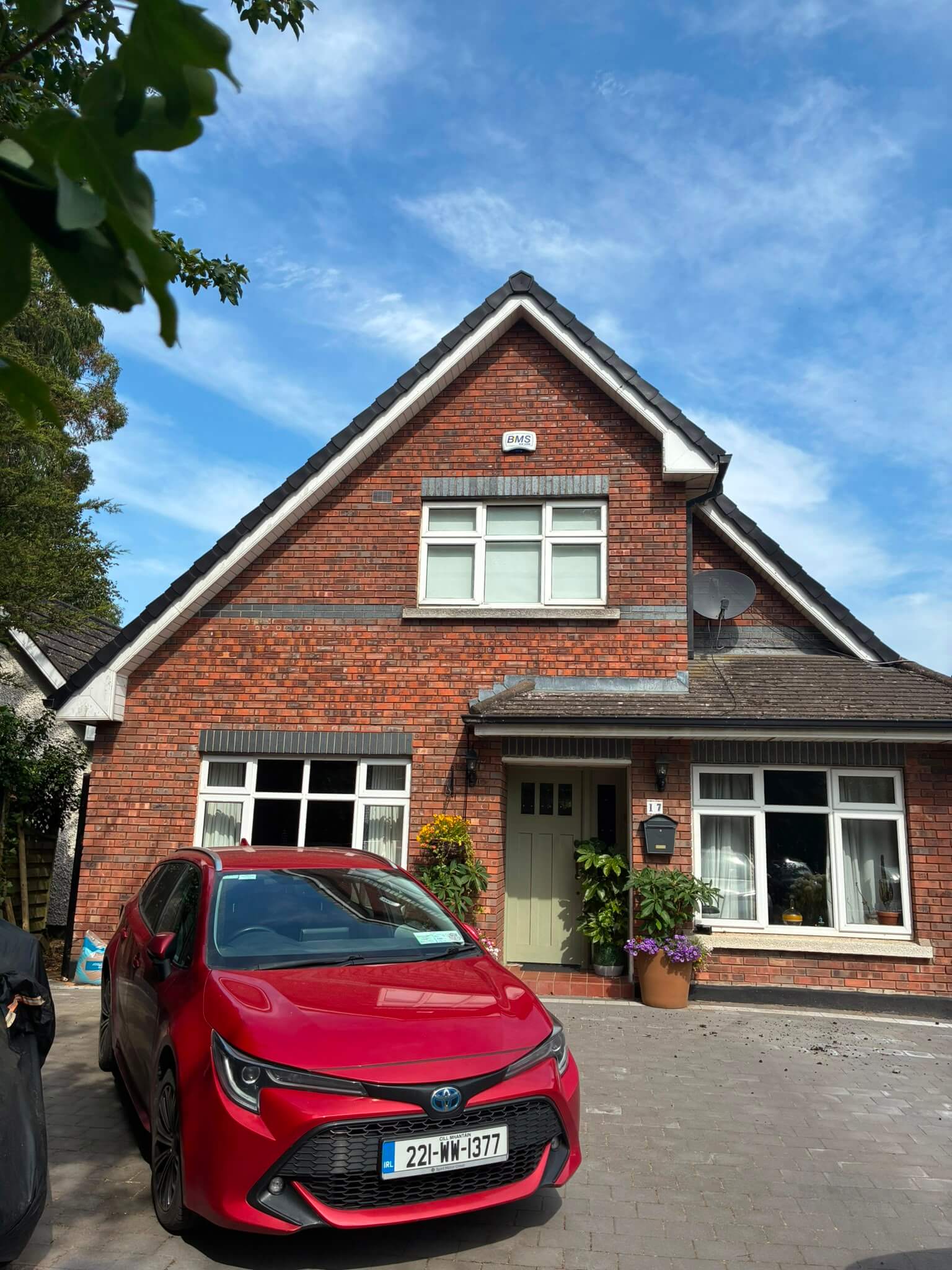
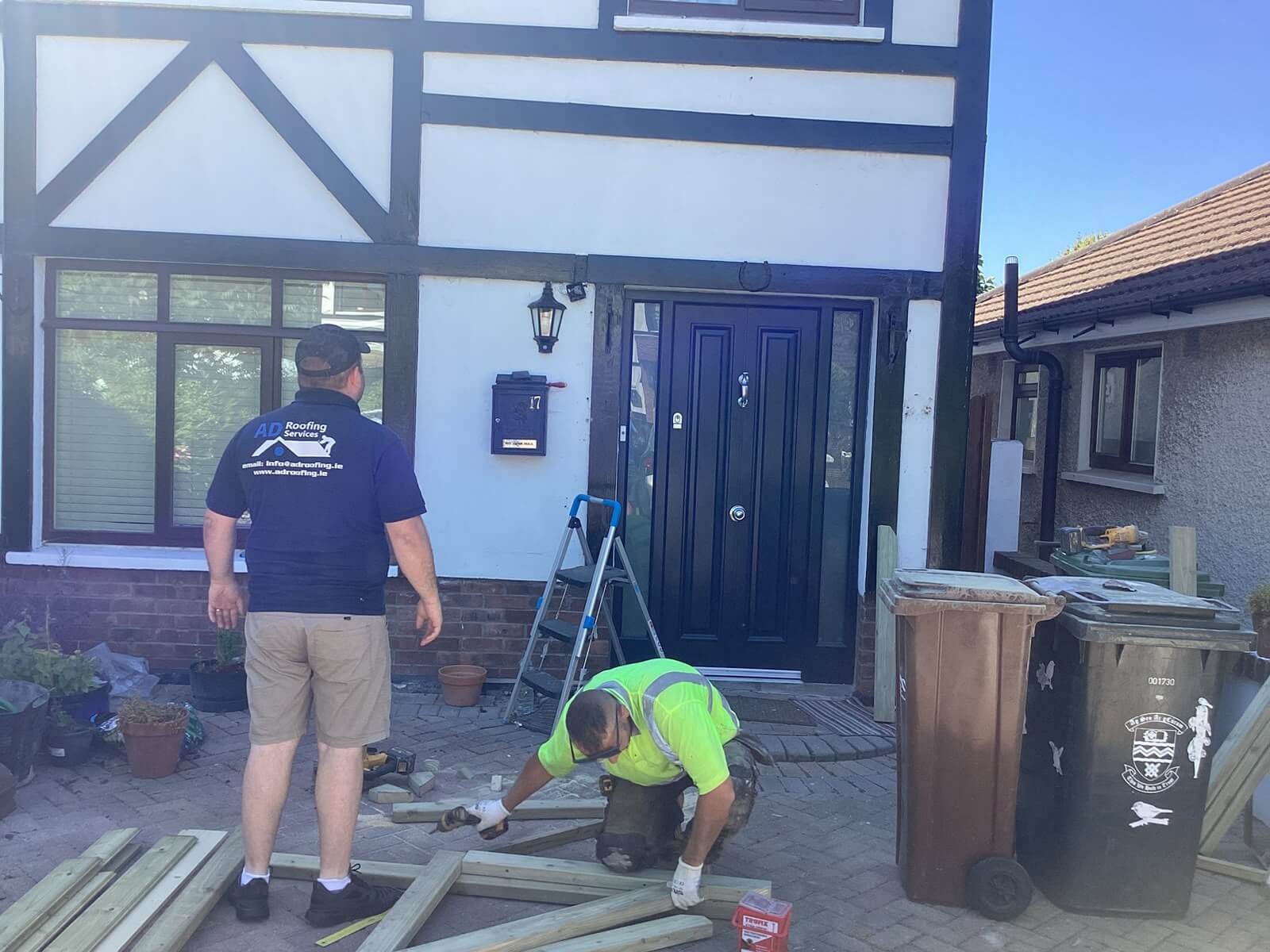
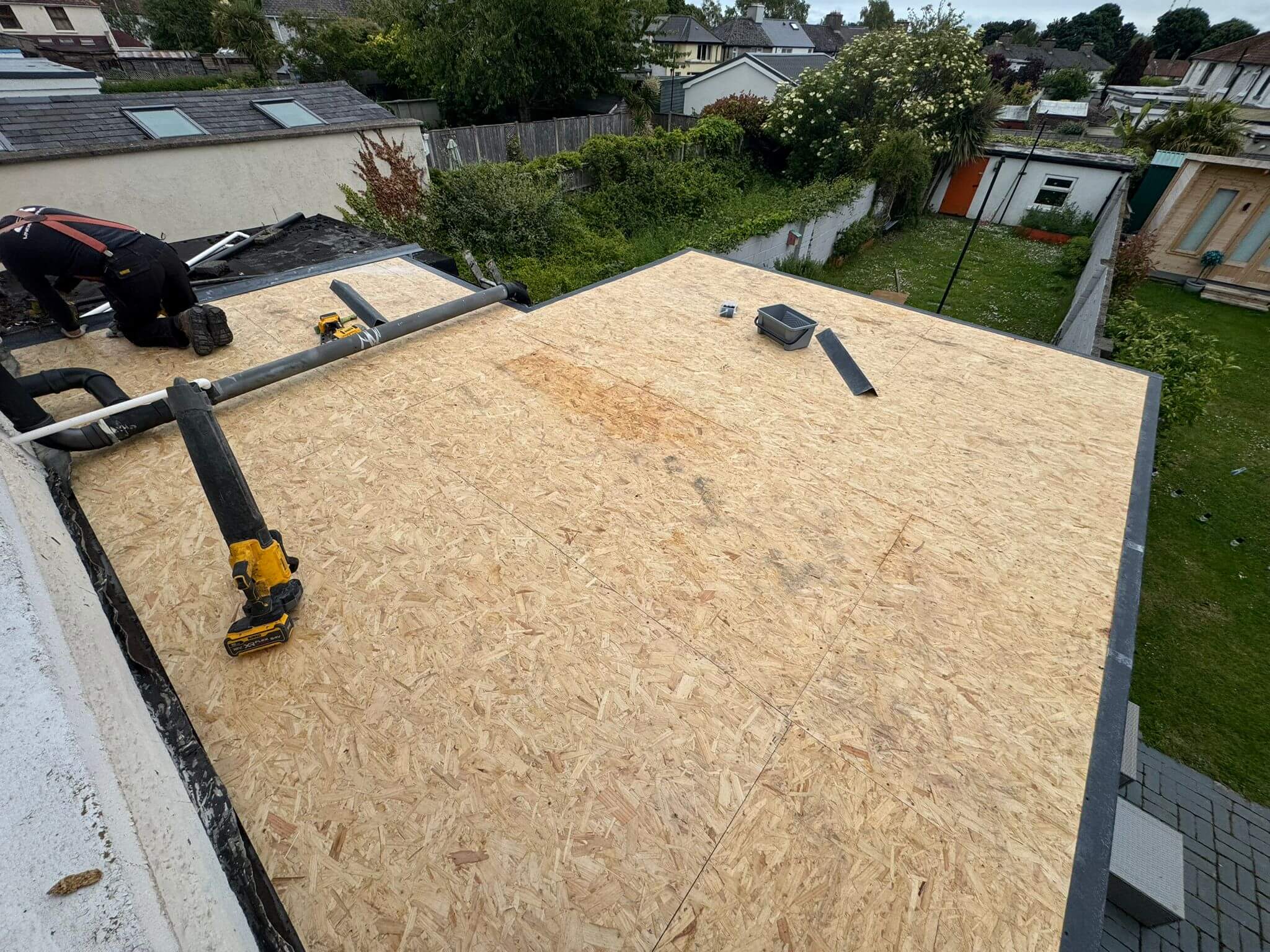
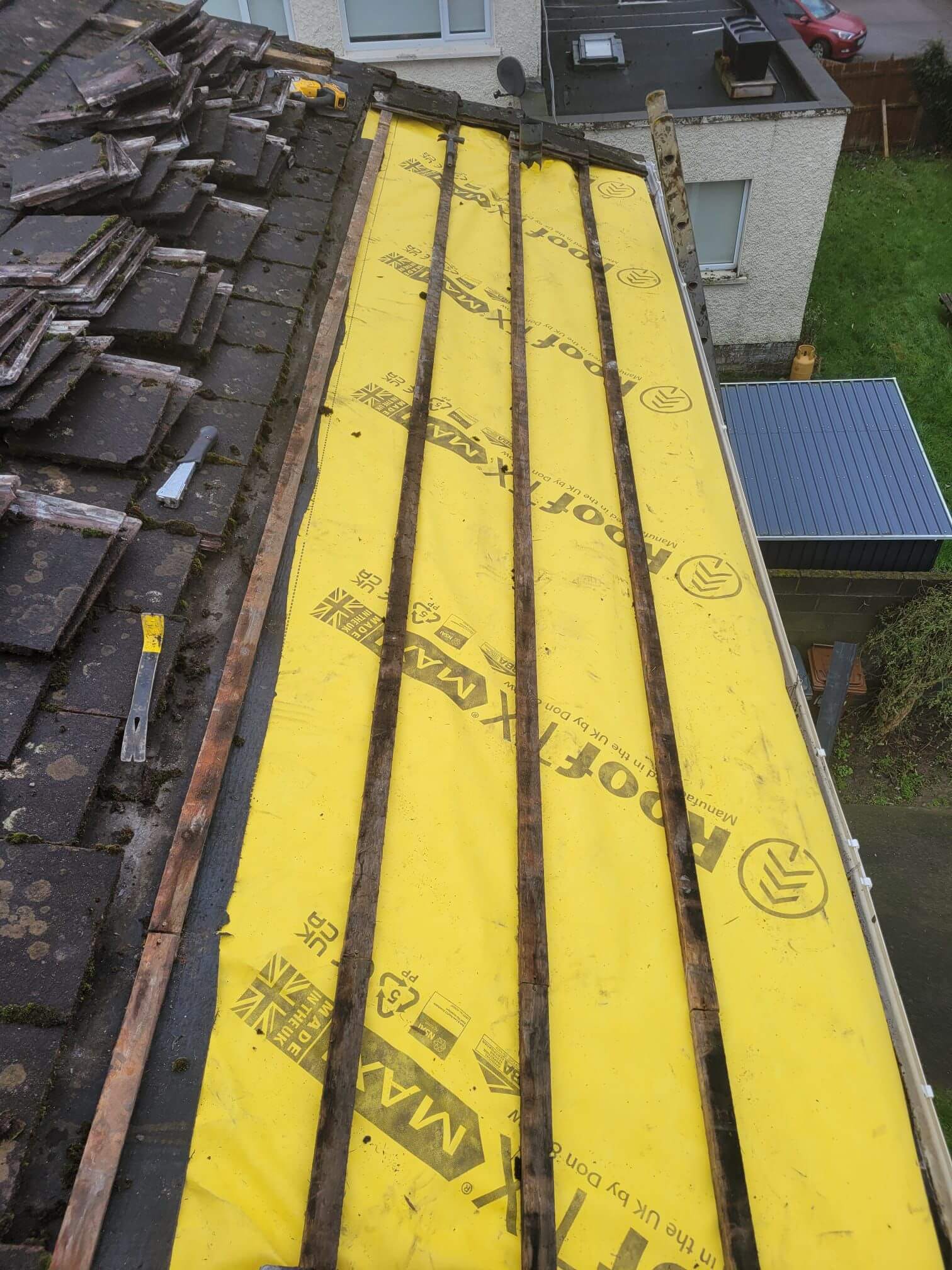
Photos Of Our Recent Roofing Work
Questions We Get Asked About Roofing in Clontarf
Is my Clontarf property in Marino, on the seafront, or in the Dollymount area?
It depends on your specific location — Marino carries its own distinct conservation status; seafront and Clontarf Road properties are largely Victorian; Vernon Avenue and Kincora Road are Edwardian; Dollymount is mostly 1930s-50s. We confirm which applies during inspection.
Does my Marino property need planning permission for roof or window changes?
Likely yes, given the estate's conservation status — we flag this clearly and factor it into any quote before work is agreed.
Why would my seafront property need different flashing work to a similar house further inland?
Wind-driven rain off Dublin Bay hits seafront properties with more force than the general salt-air exposure inland Clontarf properties deal with, which genuinely affects the right flashing and fixing specification.
My house is on Vernon Avenue or a similar Edwardian street — what should I know?
These properties generally aren't under the same formal conservation restrictions as Marino or some seafront terraces, giving more flexibility in material choice, though period character is still worth respecting.
Any Questions?
Ask Us
Victorian Seafront, Edwardian Vernon Avenue, and 1930s-50s Dollymount
Clontarf genuinely spans several distinct building eras within a small area, and treating it as one uniform market misses real differences.
Victorian red-brick terraces line the seafront and Clontarf Road itself; Edwardian semis fill tree-lined streets like Vernon Avenue and Kincora Road; and the Dollymount area is largely 1930s-50s housing — three separate generations, each with a different original construction standard and a different set of likely roofing concerns.
A Victorian seafront terrace and a 1940s Dollymount semi are simply not facing the same roofing questions, even though both sit comfortably within what most people would just call "Clontarf." We identify which generation a property actually belongs to before recommending any material or approach.
Get Your Clontarf Roof Assessed by Someone Who Understands Which Era It Belongs To
Whether it's a Marino conservation property, a seafront Victorian terrace, or a Dollymount semi, the right approach starts with correctly identifying what you've actually got. Call Augustine directly on 087 198 5679 for a free physical inspection.