
Roofers in Castleknock | Village Core & Estate Property Specialists
A Historic Core That Predates Everything Around It
Castleknock's village centre carries genuine historic weight. The ruins of 12th-century Castleknock Castle still stand as a protected structure, and St. Brigid's Church, rebuilt in 1810, sits on the site of a 13th-century Augustinian priory — the village core itself is covered by its own Architectural Conservation Area, safeguarding this concentration of genuinely old buildings against the modern suburb that's grown up around it.
The area's grandest properties reinforce that historic character further. Luttrellstown Castle, a 600-acre estate with Gothic Revival turrets and battlements added in the 19th century, and Farmleigh — a Georgian estate once owned by the Guinness family and now Ireland's official state guest house — both sit within the wider Castleknock area, alongside Diswellstown House, a listed 17th-century mansion.
Any roofing work within this historic core, or on a property with genuine period status nearby, needs the same careful material and profile matching you'd expect on a protected building anywhere else in Dublin.

Roofing Services We Offer in Castleknock
Whatever roof issue you are facing in West Dublin, Augustine personally inspects, prices, and carries out the work — from a quick chimney repair to a brand-new flat roof install. Explore our full range of services on the main AD Roofing Dublin page.
5 Star Rated Roofers In Your Area




Get Your Roof Assessed by the Person Who's Actually Doing the Work

Late to Develop, But Built to a Higher Standard When It Did
What makes Castleknock genuinely comparable to Foxrock is what happened once development finally arrived. The area was farmed right up until the early 1950s, meaning Castleknock came late to suburban growth compared to much of Dublin — and when it did develop, it did so at a notably lower density than the estates springing up elsewhere at the same time.
Houses here were built at roughly two properties per acre rather than the tighter estate layouts common across the city, with individual architectural styles rather than repeated uniform designs, and generous plots — some running to three-quarter-acre gardens on roads like Castleknock Road itself.
That combination of late development and deliberately spacious, individually styled building is exactly why local estate agents and journalists have drawn the Foxrock comparison. A Castleknock property from this era isn't estate housing in the usual sense — it's closer to a collection of substantial individual family homes, each potentially needing its own assessment rather than a blanket approach across a whole road.
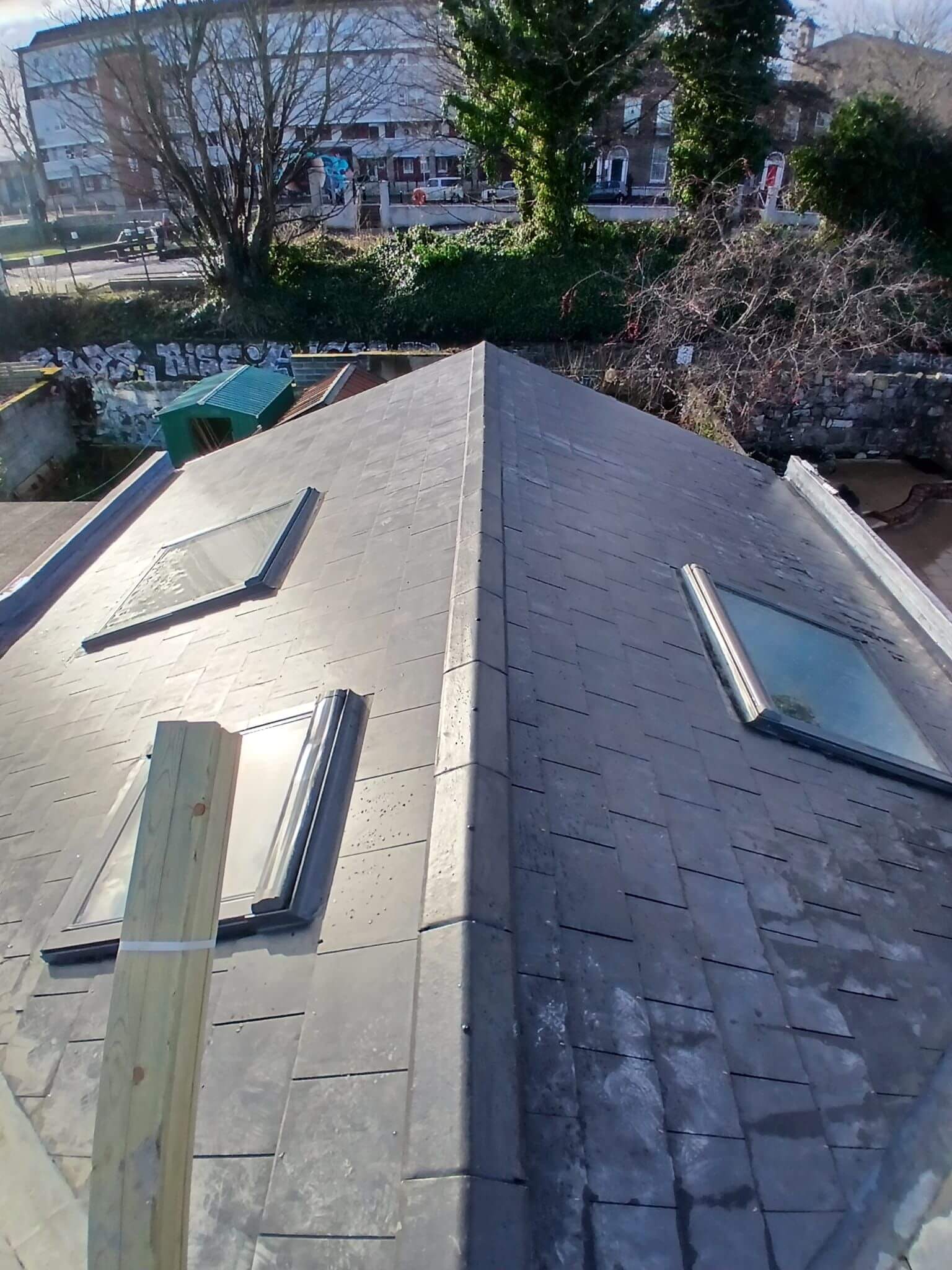
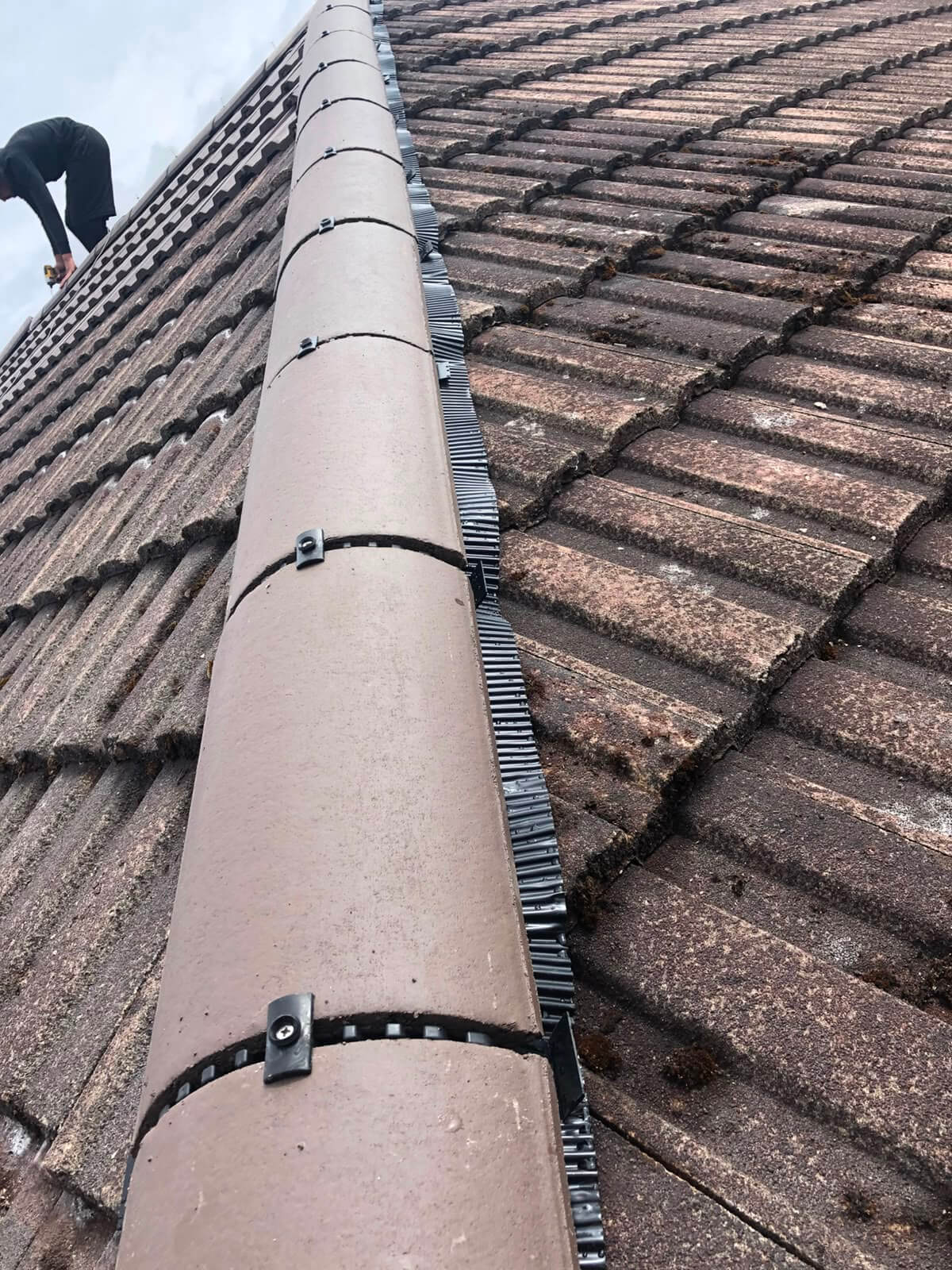
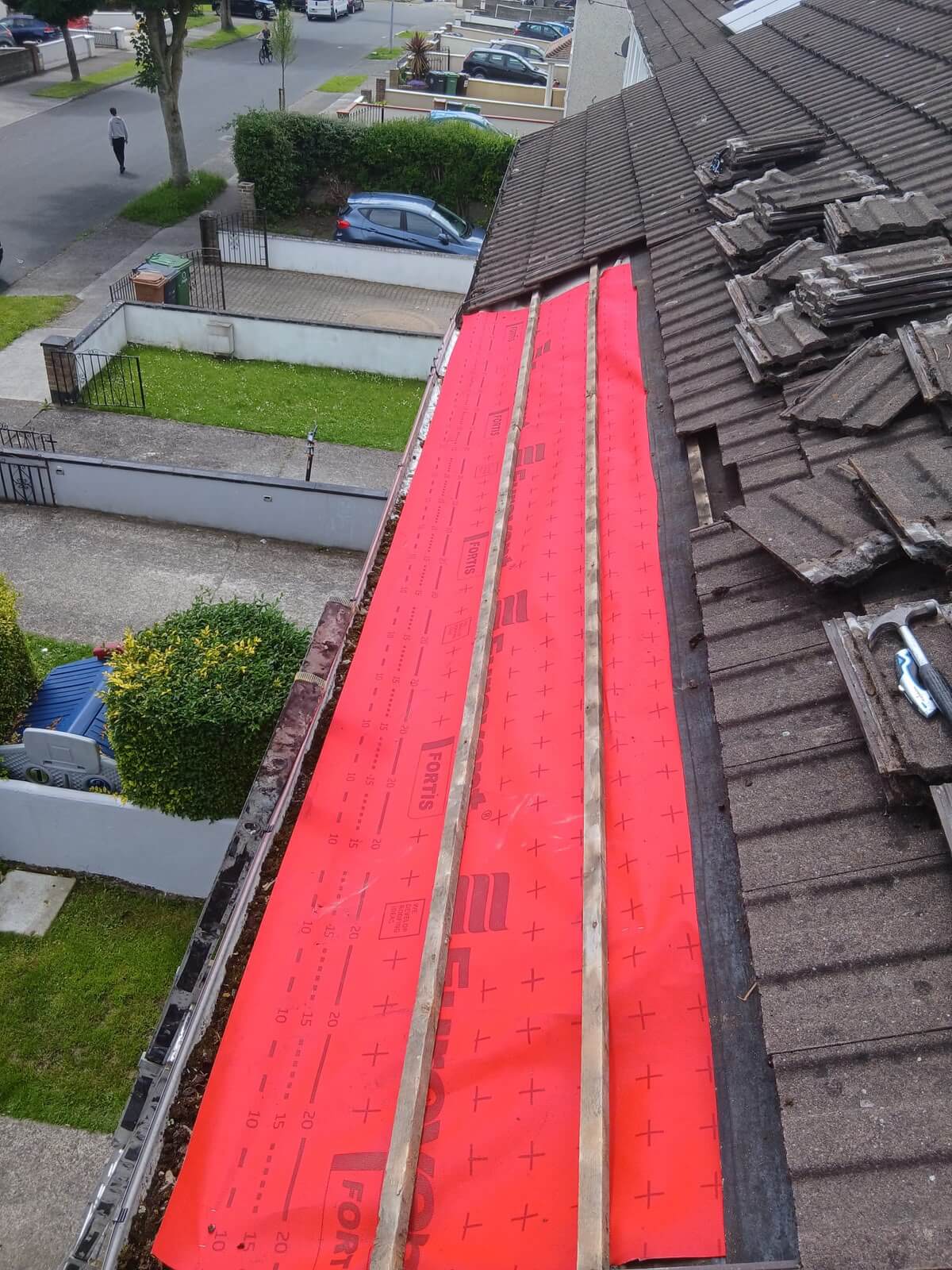
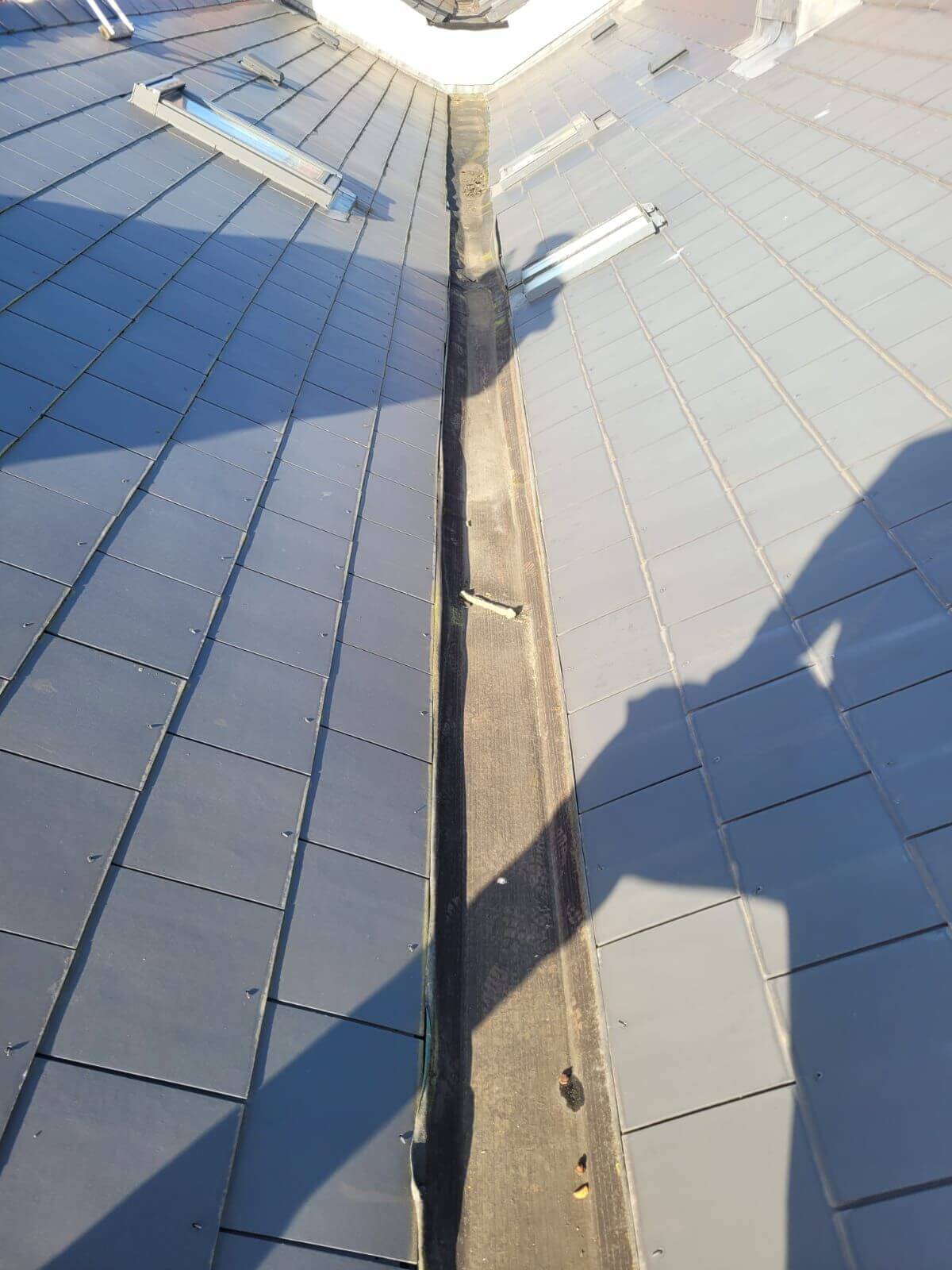
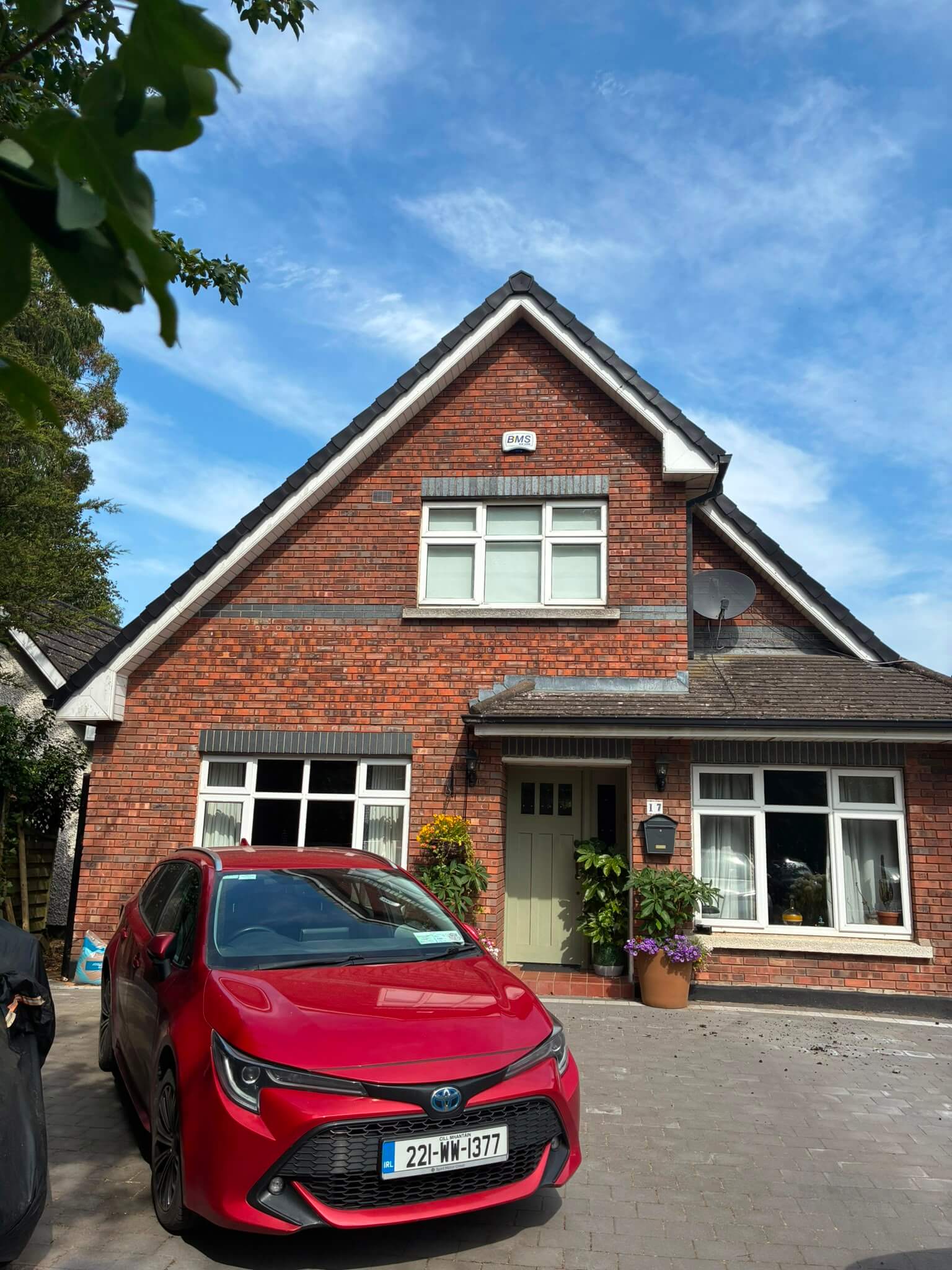
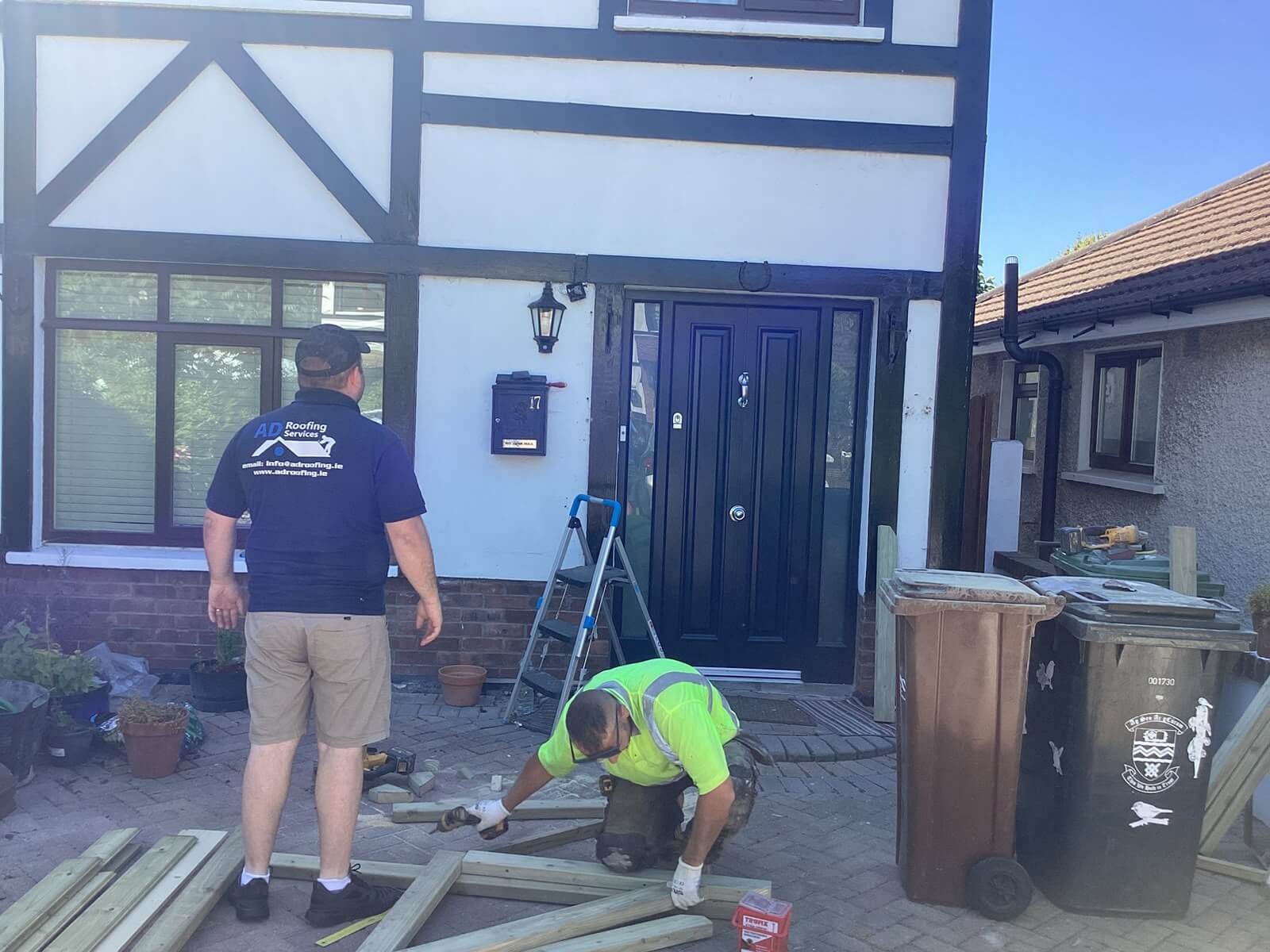
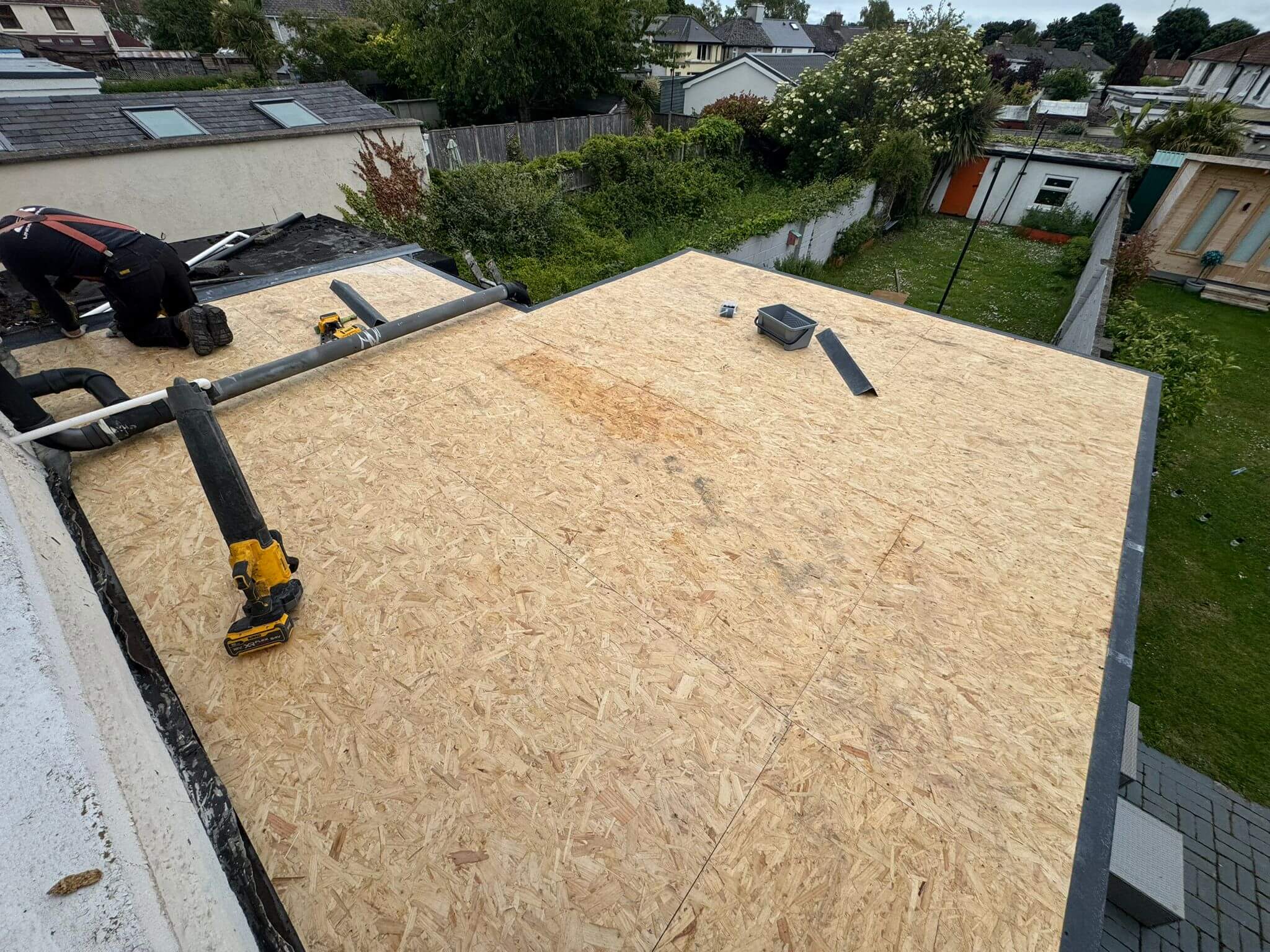
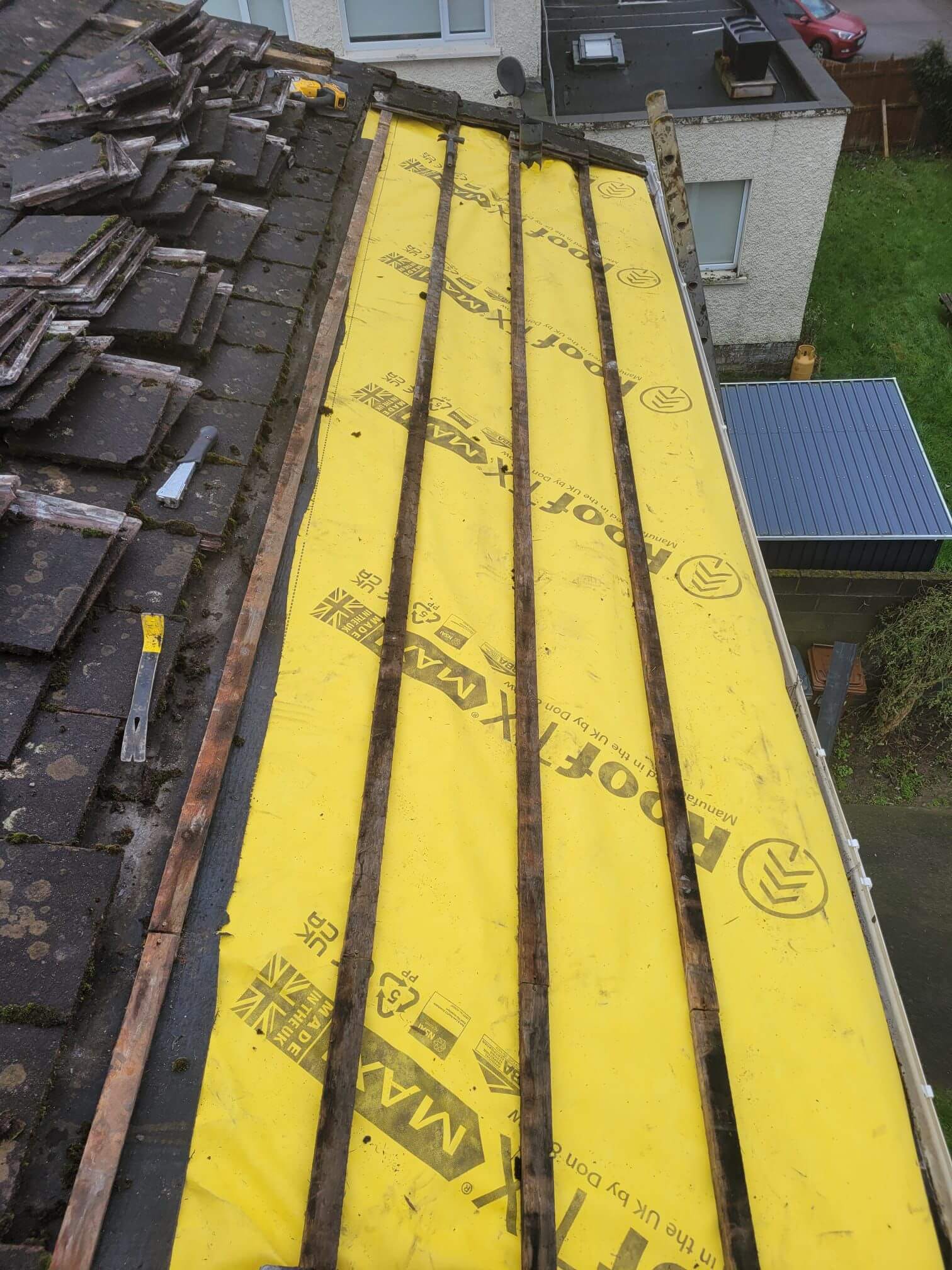
Photos Of Our Recent Roofing Work
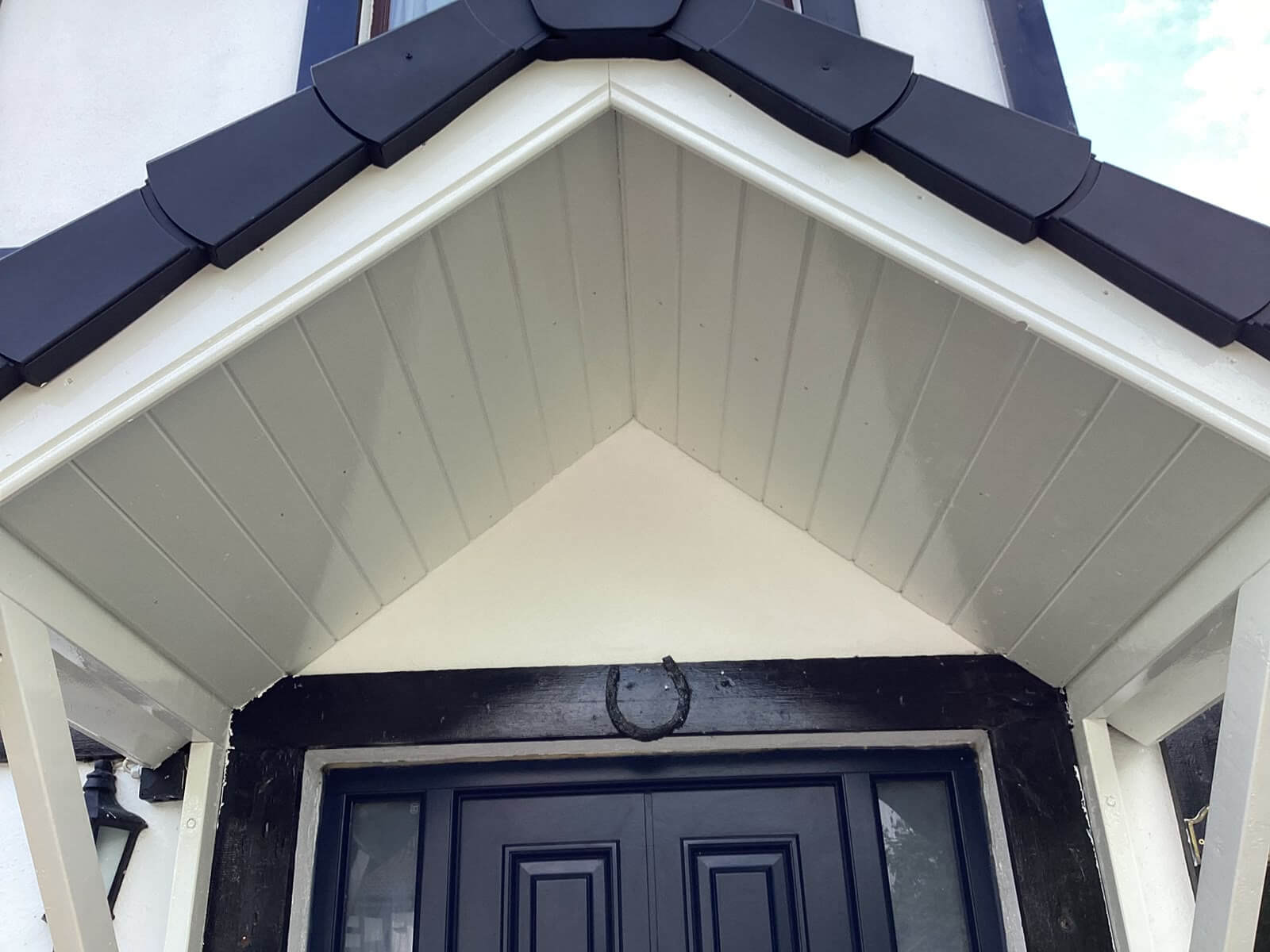
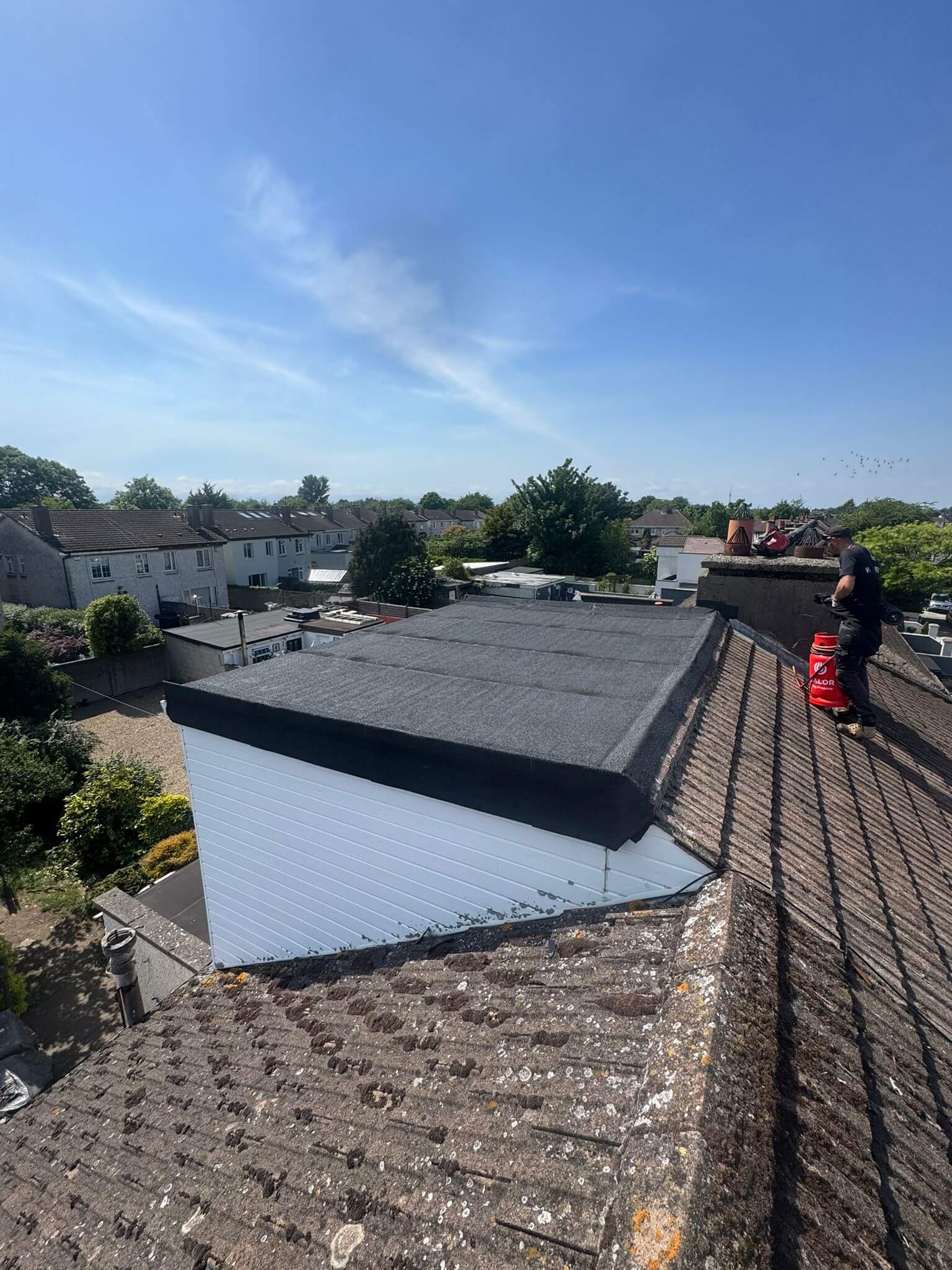
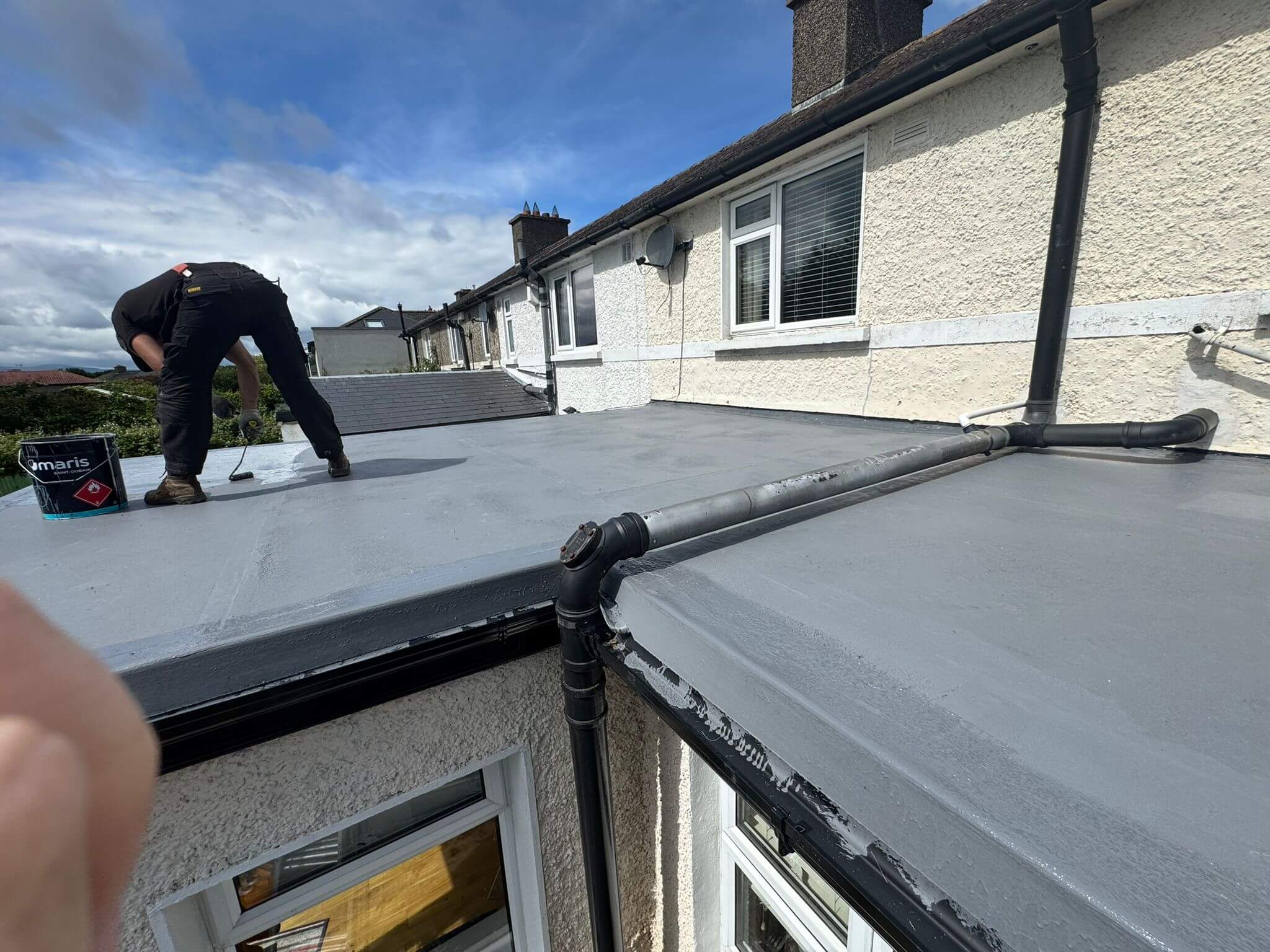
Questions We Get Asked About Roofing in Castleknock
Is my Castleknock property in the historic village core, older individual housing, or the newer Carpenterstown-area estates?
It depends where you're located relative to the M50 — properties near the village and castle ruins are more likely to carry conservation consideration; older individually-built houses cluster closer to Castleknock Road itself; newer estate housing sits off Carpenterstown Road on the far side of the M50 flyover. We confirm which applies during inspection.
Does my property near Luttrellstown or Farmleigh need special roofing consideration?
If your own property carries genuine period or protected status, yes — proximity to a large historic estate doesn't automatically mean your house does, but we check this properly rather than assuming either way.
My house was built in the 1950s or 60s on a large individual plot — is that different to standard estate housing?
Often, yes. Castleknock's post-1950s development tended toward individually styled houses on more generous plots rather than repeated uniform estate designs, which can mean a different roofing approach to a standard semi-detached property elsewhere.
My estate off Carpenterstown Road was built in the 1990s — is it worth an inspection yet?
Worth confirming, particularly as these estates approach the 30-year mark — not urgent in the way an older property might be, but a useful point to establish a baseline before any issues show up.
Any Questions?
Ask Us
The Newer Estates Across the M50
Castleknock's more recent growth tells a different story entirely, and it's genuinely useful to know which side of it your property falls on. Younger buyers and newer development have concentrated off Carpenterstown Road, on the far side of the M50 flyover — areas like Carpenterstown Park and The Gallops, built through the 1990s and into the 2000s, representing conventional estate housing rather than the older, individually-built Castleknock character closer to the village.
A property in these newer estates is a completely different roofing conversation to a 1950s-60s individual house nearer the village core — standard estate-era material and construction, now reaching an age where a proper inspection genuinely matters, rather than the period consideration and individual character assessment an older Castleknock property needs.
Get Your Castleknock Roof Assessed Properly, Whichever Era It Belongs To
Whether it's the historic village core, an individually built older house, or a newer estate off Carpenterstown Road, a proper inspection tells you exactly what you're dealing with. Call Augustine directly on 087 198 5679 for a free physical inspection.