Roofers in Clondalkin | Village Core, Estate & New-Build Specialists
A Monastic Heritage Core Unlike Almost Anywhere Else in Dublin
Clondalkin's history runs deeper than most of South Dublin's suburbs by centuries.
The Round Tower dates back to around the 8th or 9th century, built on the site of a monastery founded by St Mochua in the 7th century, and it's one of only four surviving round towers left in the whole county — genuinely rare, and the reason the wider Clondalkin village area has been designated as having an "Historic Urban Landscape Character," with 53 separate protected structures and 12 recorded monuments packed into the surrounding neighbourhood.
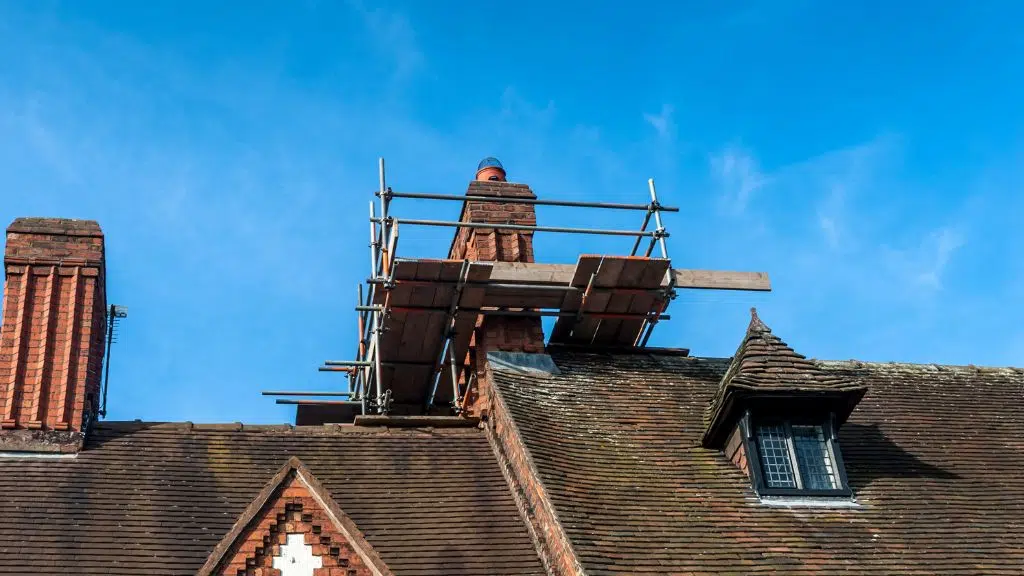
A property within or near this historic core is operating under an entirely different set of considerations to the rest of Clondalkin. Proper slate matching, genuine sensitivity to the area's protected structure density, and an awareness that this isn't just an old village centre but one of the most concentrated pockets of preserved medieval and Victorian heritage in South Dublin — that's the standard any roofing work here needs to meet.

Roofing Services We Offer in Clondalkin
Whatever roof issue you are facing in West Dublin, Augustine personally inspects, prices, and carries out the work — from a quick chimney repair to a brand-new flat roof install. Explore our full range of services on the main AD Roofing Dublin page.
5 Star Rated Roofers In Your Area




Get Your Roof Assessed by the Person Who's Actually Doing the Work
The 1970s "New Town": Local Authority Estate Housing at Real Scale
Move beyond that historic core and the story changes completely. Clondalkin was officially designated one of Dublin's "new towns" in 1967, with Dublin Corporation and South Dublin County Council building the majority of the resulting housing through the 1970s — much like Sallynoggin's local authority origins, but at a considerably larger scale, transforming Clondalkin from a village with historic hinterlands into a substantial suburb in its own right, stretching north toward Lucan and south toward Tallaght.
A large share of that 1970s estate housing is now well past fifty years old, putting it squarely in the bracket where a proper inspection matters regardless of whether visible symptoms have shown up yet. Unlike the protected heritage core nearby, this housing generally carries no conservation restrictions, giving real flexibility in material choice based on budget rather than planning requirements.
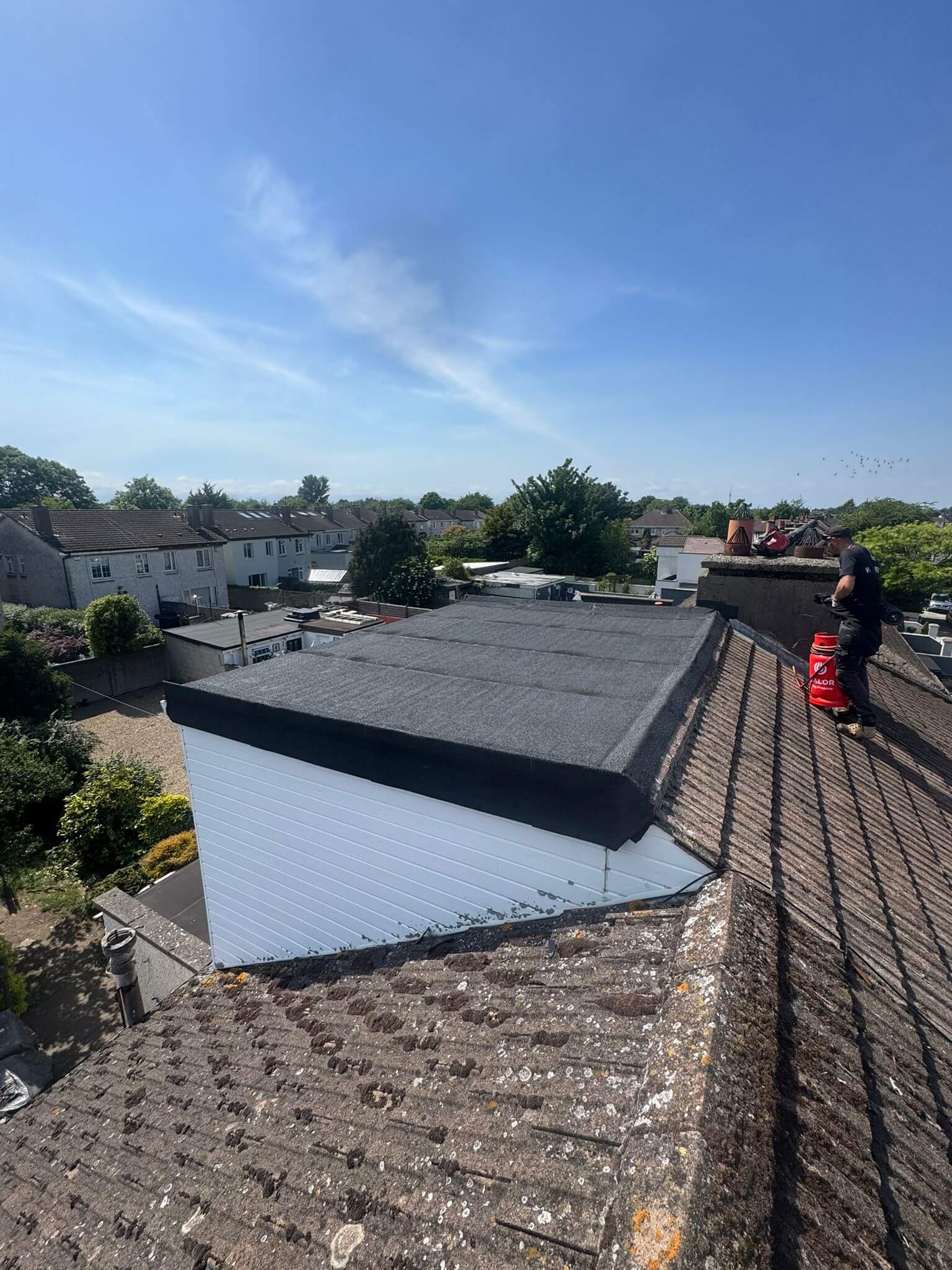
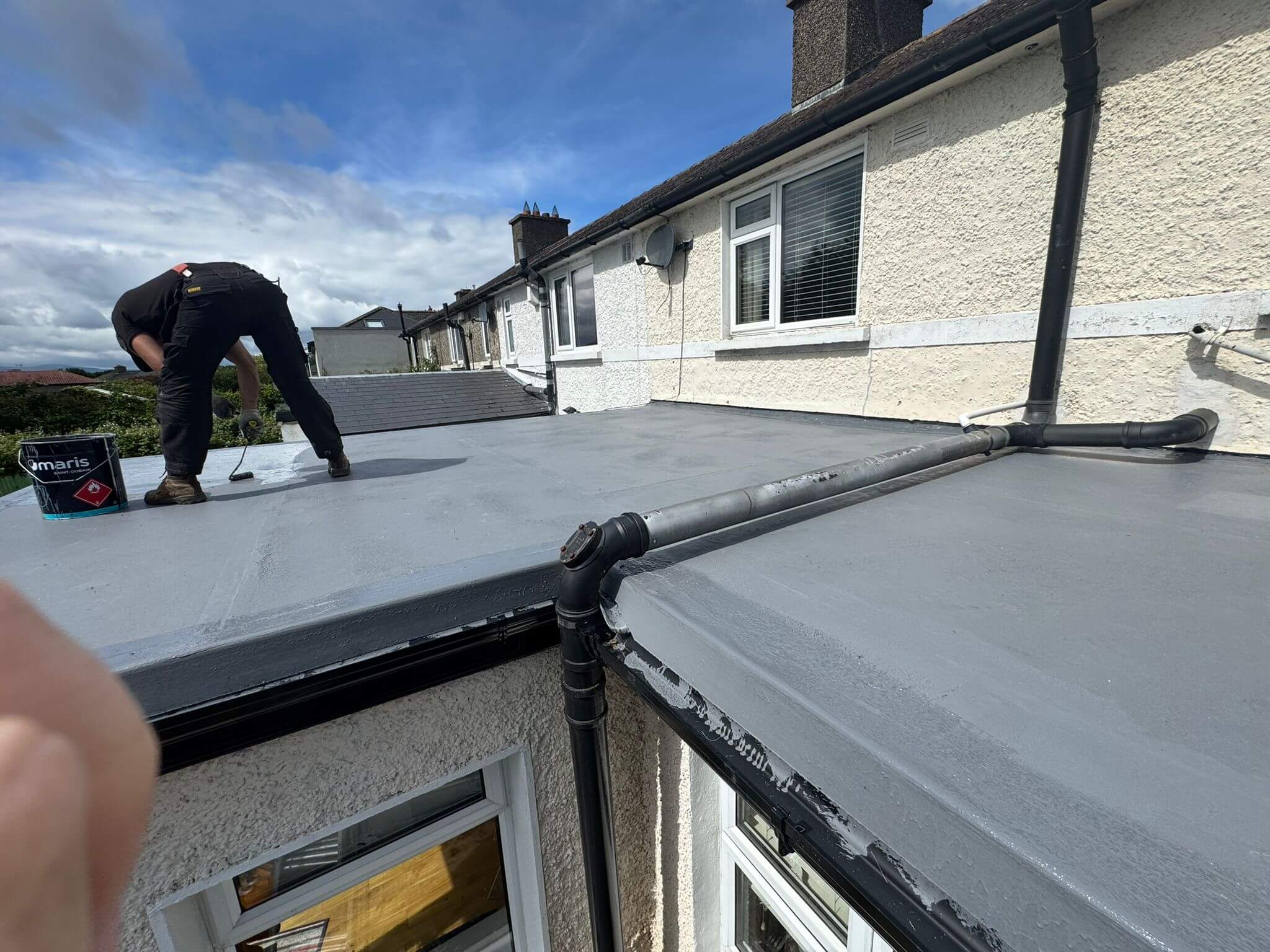
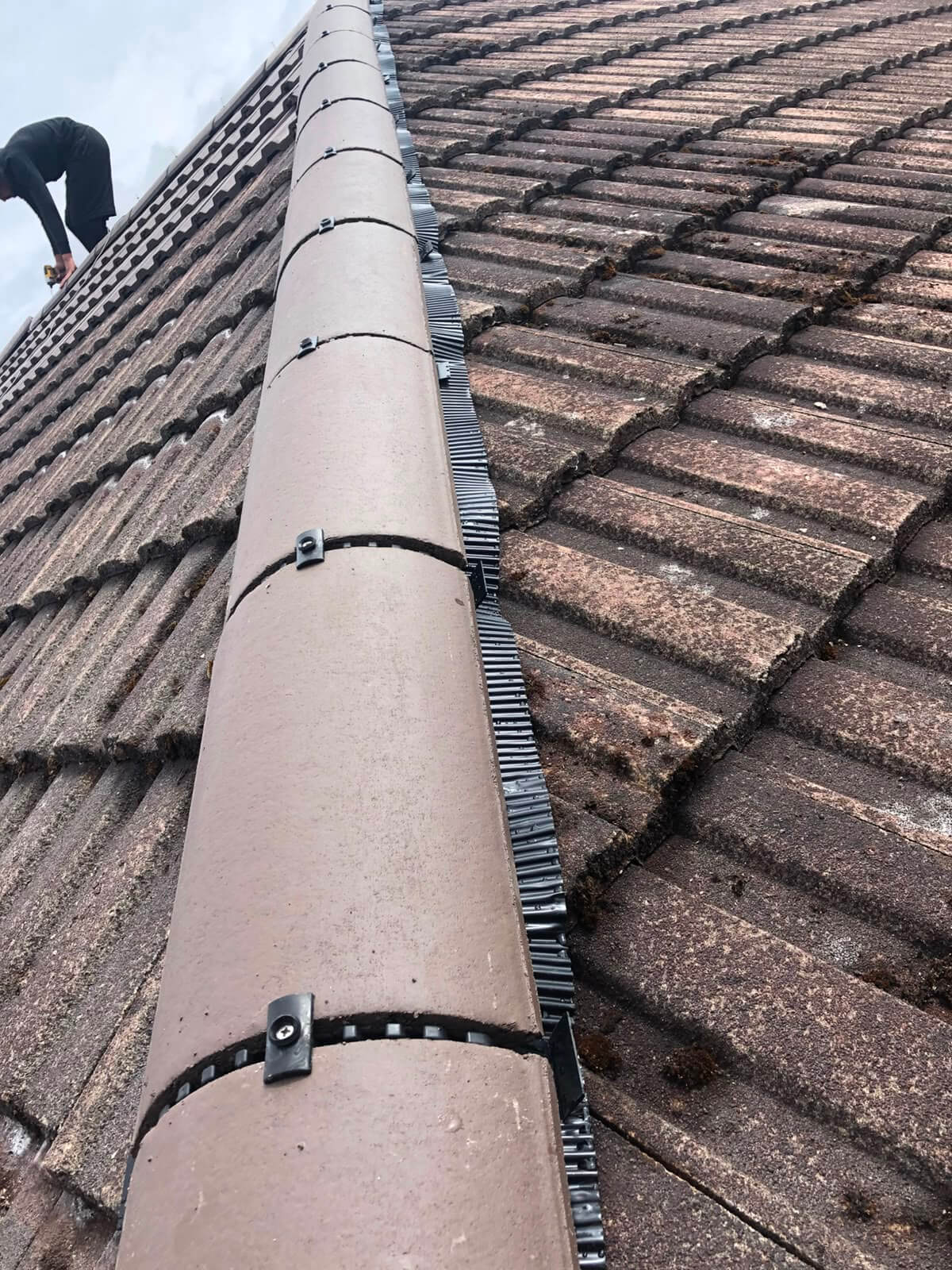
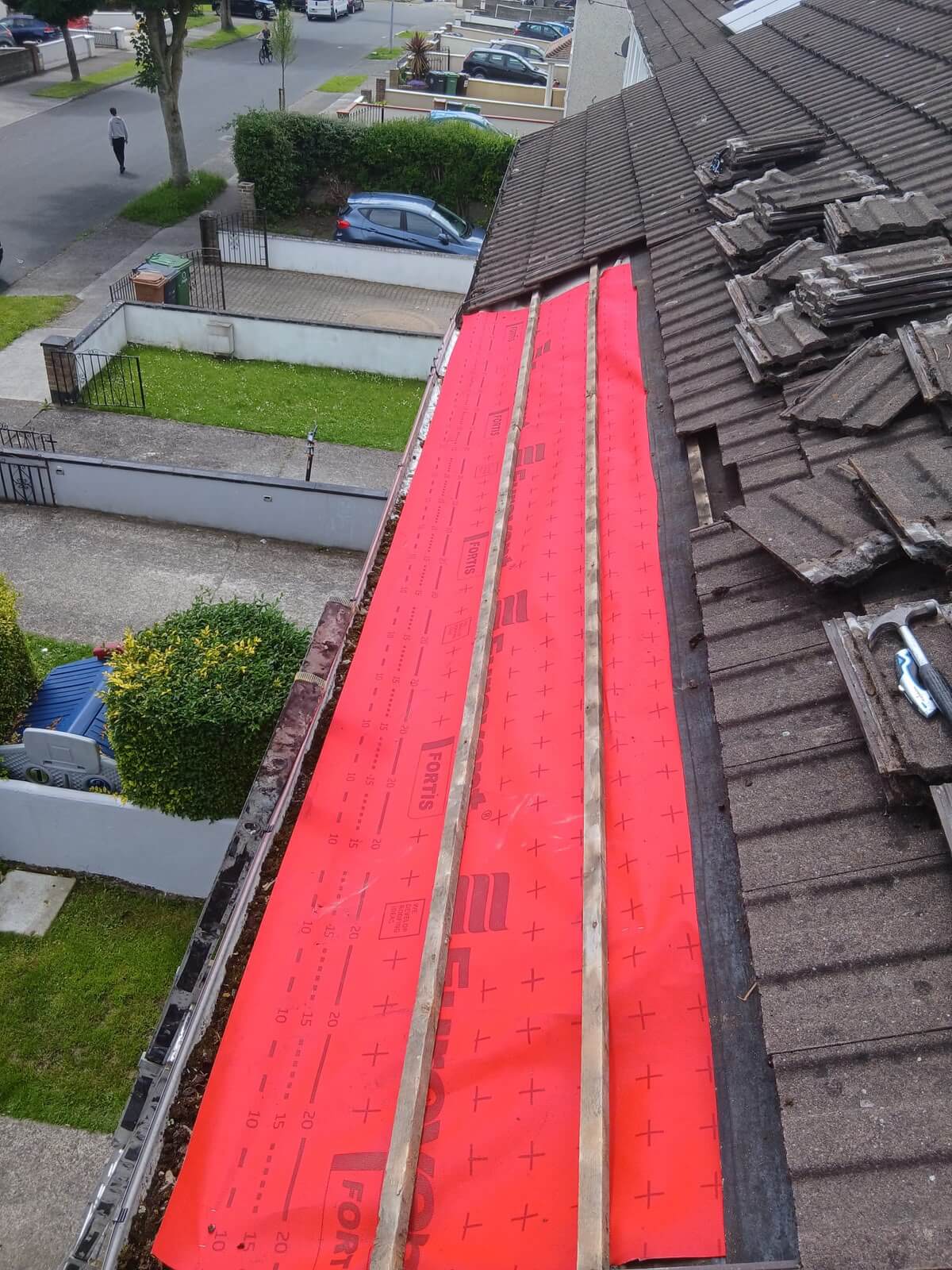
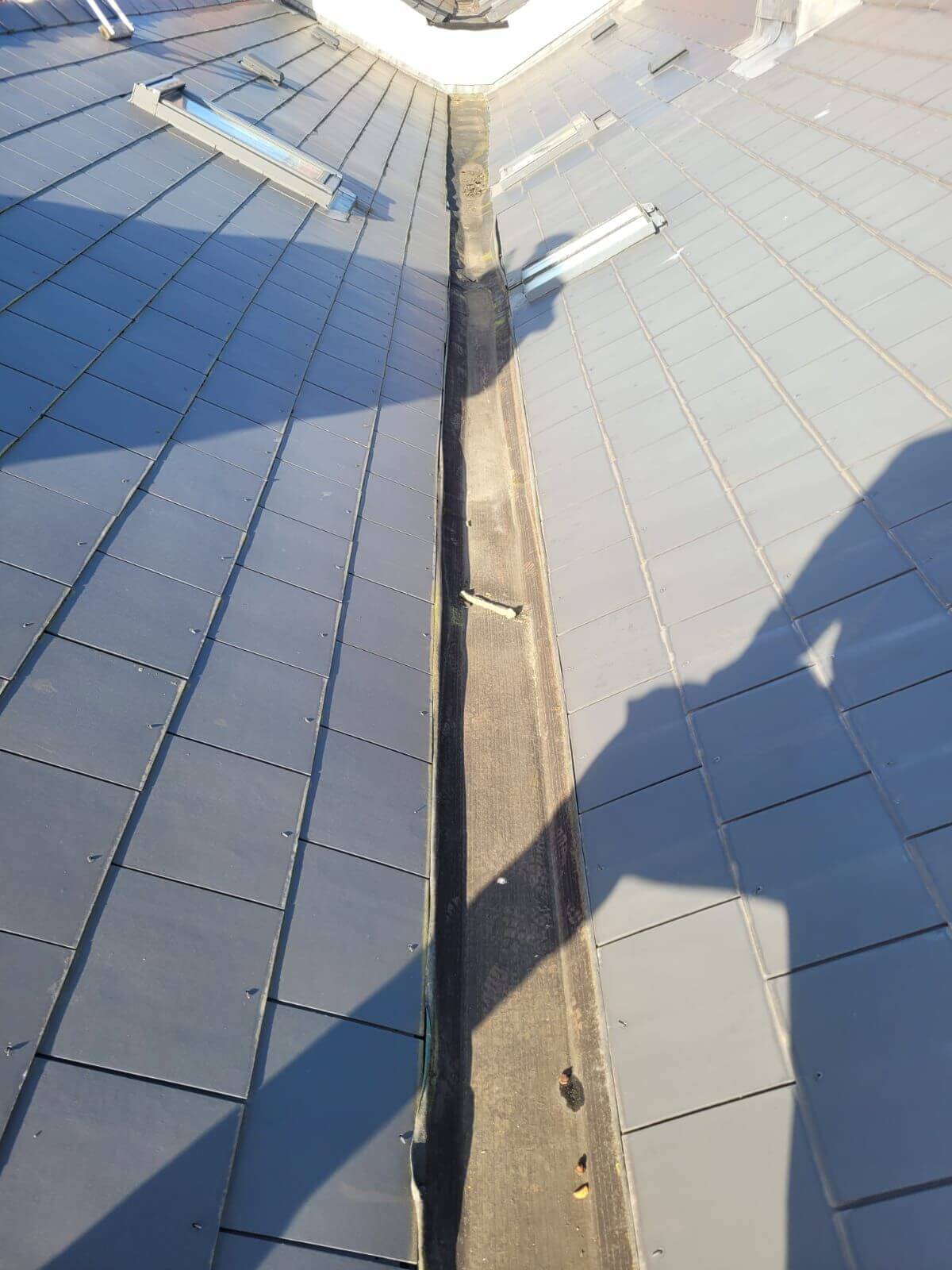
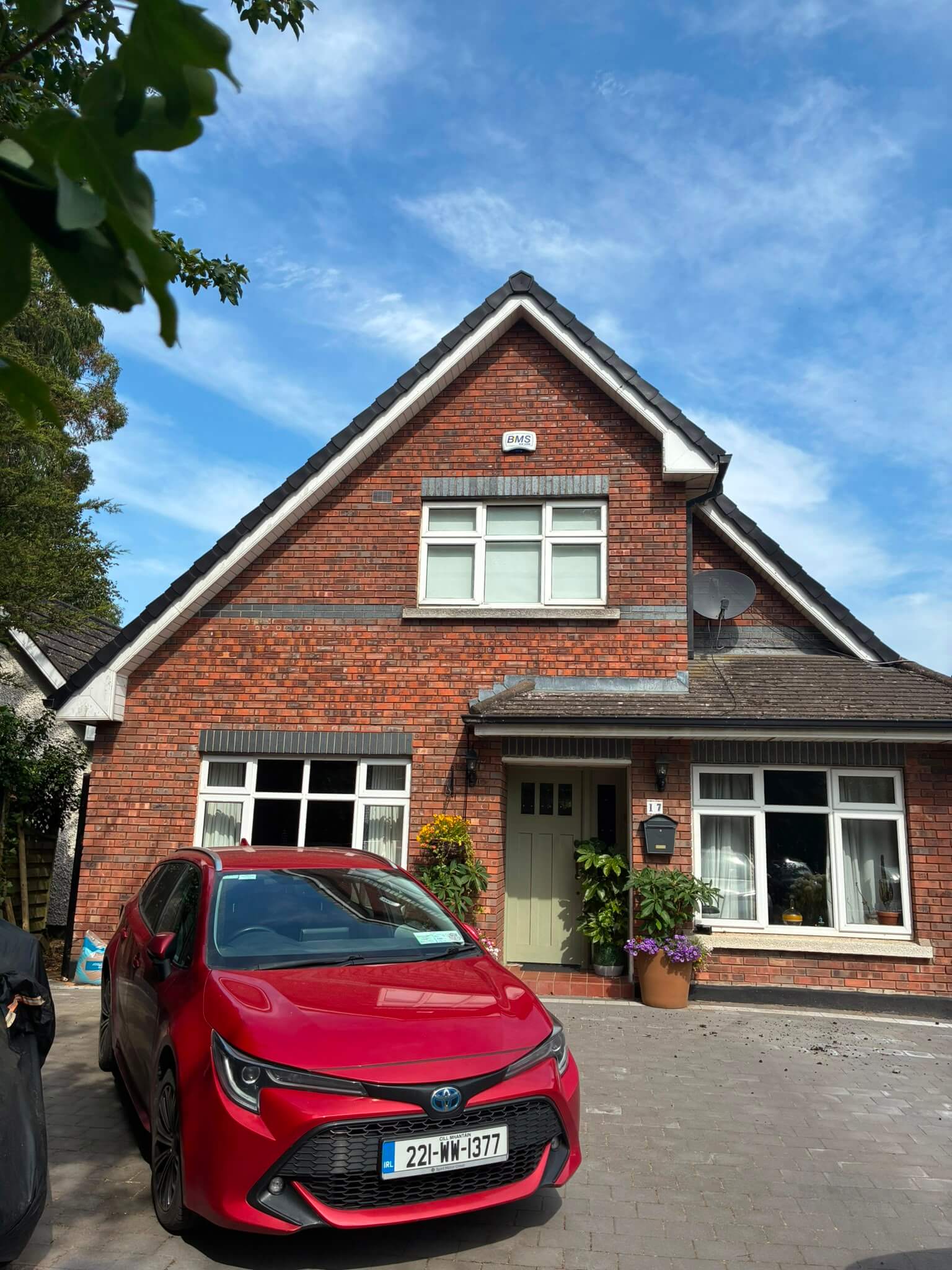
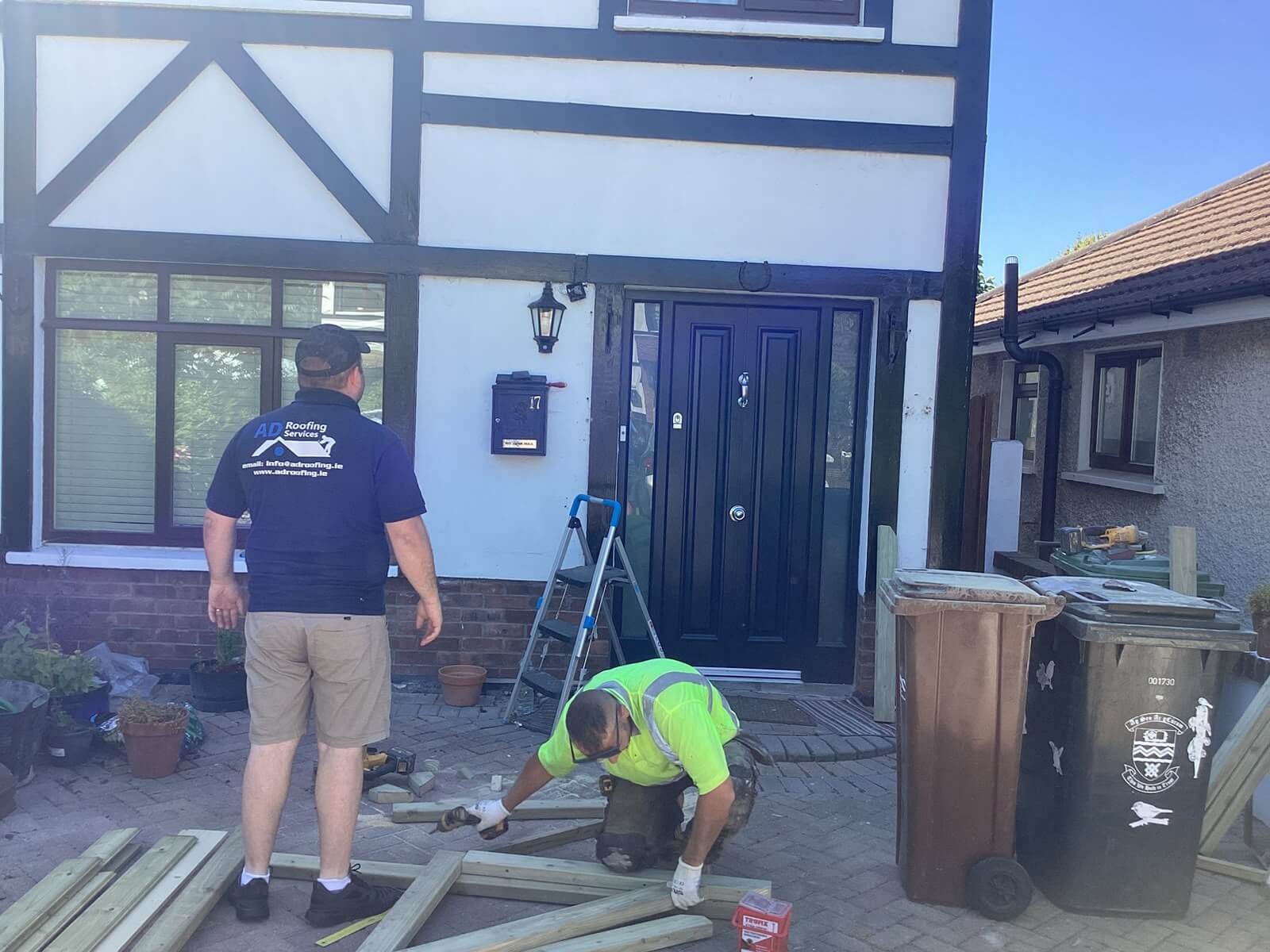
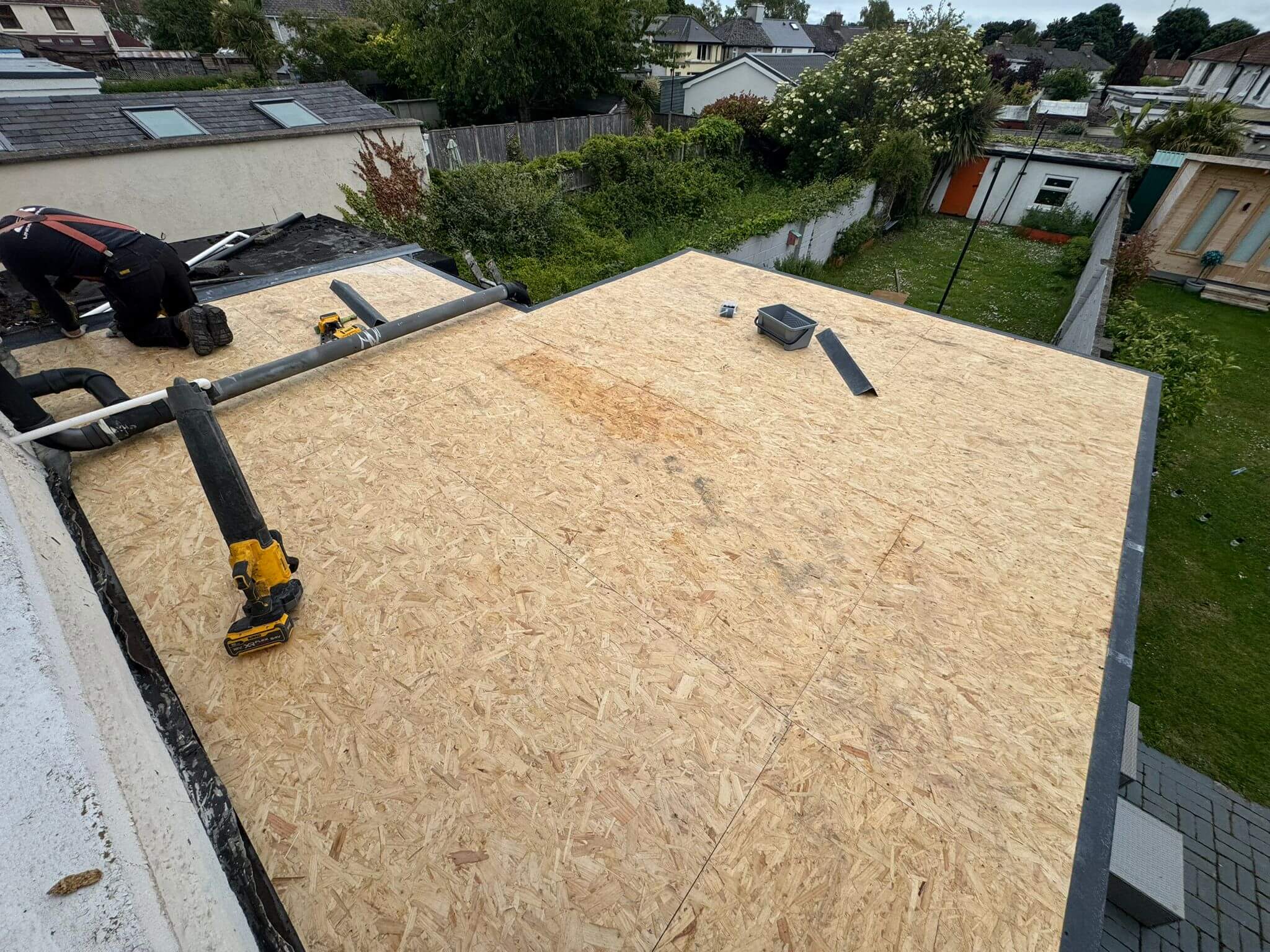
Photos Of Our Recent Roofing Work
Questions We Get Asked About Roofing in Clondalkin
Is my Clondalkin property in the historic village core, a 1970s estate, or a new Clonburris development?
It depends where you're located — the protected heritage core sits around the Round Tower and old village; 1970s "new town" estates make up much of the surrounding suburb; Clonburris and similar developments are actively under construction now. We confirm which applies during inspection.
Does my property near the Round Tower need special conservation consideration?
If it genuinely sits within the protected structure boundary or historic core, yes — we check this directly rather than assuming based on general proximity.
My estate was built as part of the 1970s "new town" development — is it worth checking?
Yes. Housing from that era is now at or past its realistic working life, and confirming that early is almost always cheaper than waiting for symptoms to force the issue.
I'm in a new Clonburris or Melrose Court-style development — what should I actually watch for?
Newer builds are more likely to show snagging or installation defects than age-related wear — worth a proper check even on a recently completed roof, regardless of the construction method used.
Any Questions?
Ask Us
Right Now, Clondalkin Is One of the Fastest-Growing Areas in Dublin
What makes Clondalkin genuinely distinctive today is how much building is happening in real time. The Clonburris Strategic Development Zone alone will add roughly 11,000 new homes on top of the existing 27,596 households already in the wider area — one of the single biggest active growth zones anywhere in the Dublin region right now, with recent quarters seeing hundreds of new dwellings completed.
Developments like Keepers Lock, near the historic village and Grand Canal, and Melrose Court — a genuinely innovative collaboration between South Dublin County Council and Coillte using sustainable timber-frame construction — represent a completely different roofing conversation to either the ancient heritage core or the 1970s estates nearby.
A brand-new Clondalkin build isn't facing an age problem at all — it's facing the same snagging and installation-quality questions any recently completed roof needs checked, regardless of how modern or sustainably-built the construction method behind it happens to be.
Get Your Clondalkin Roof Assessed Properly, Whichever Era It Belongs To
Whether it's a property near the historic Round Tower, a 1970s estate roof reaching genuine age, or a brand-new Clonburris build, a proper inspection tells you exactly where you stand. Call Augustine directly on 087 198 5679 for a free physical inspection.