
Roofers in Blanchardstown | Estate & New-Build Roof Specialists
From a 57-House Village to One of Ireland's Biggest Towns
Blanchardstown stayed a genuinely small rural village for most of its history, remaining largely unchanged until well into the 20th century despite its long-standing name, granted to the Anglo-Norman Blanchard family between 1250 and 1260.
Growth didn't happen gradually — it came in three distinct, separate surges: a first wave in the 1940s, a second and much larger wave through the 1970s, and finally an intense boom-period expansion that transformed the area entirely.
By the time that transformation was complete, Blanchardstown had grown into roughly the fifth-largest urban area in Ireland if it stood alone as its own town — with a population now numbering in the tens of thousands, and a local estate agent's blunt summary still holding true today: "all the farms of the area have now become housing estates or industrial parks essentially." That's not gradual suburban infill.
That's wholesale, repeated transformation, and it means the housing stock genuinely spans multiple distinct construction generations rather than one consistent era.

Roofing Services We Offer in Blanchardstown
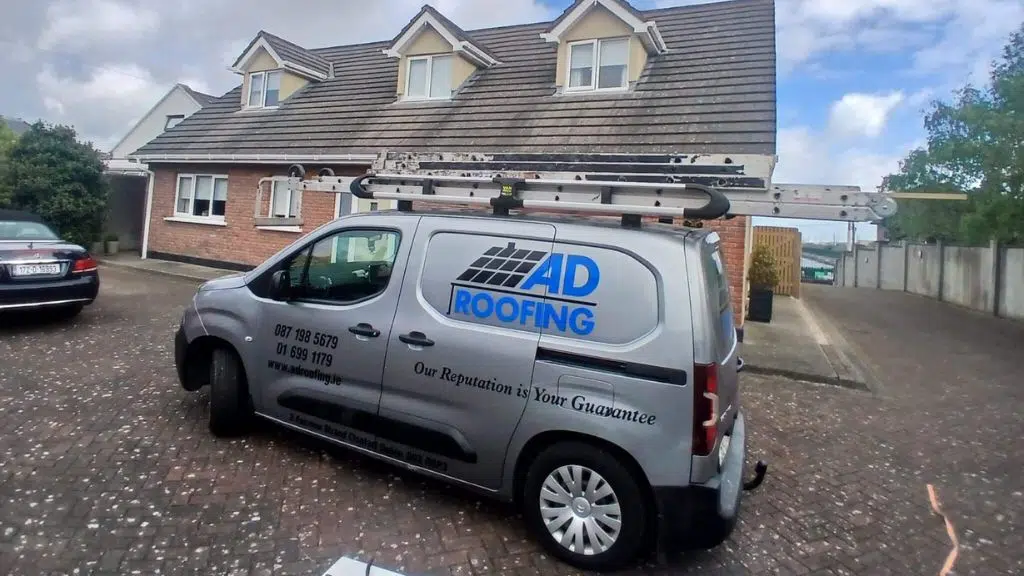
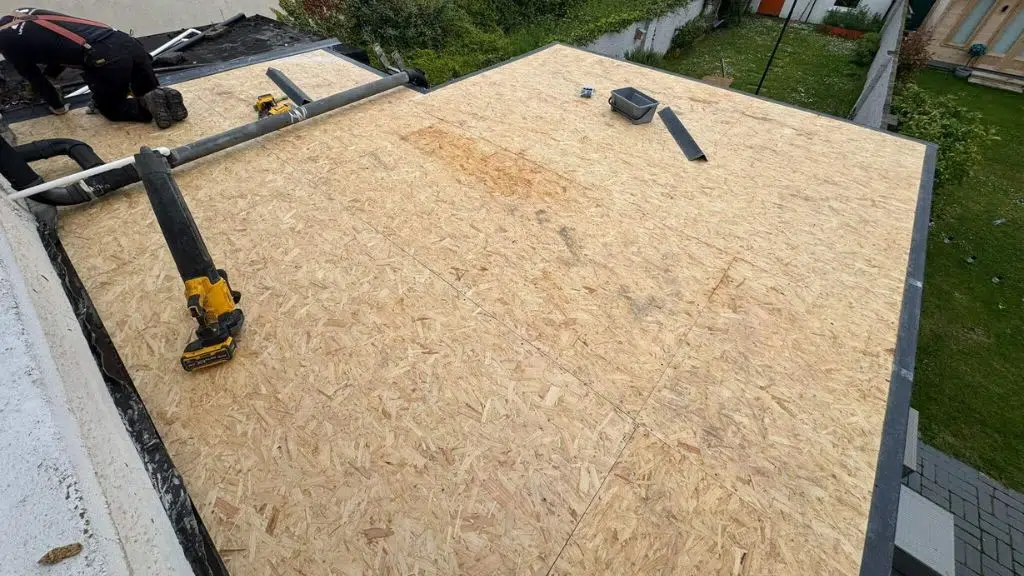
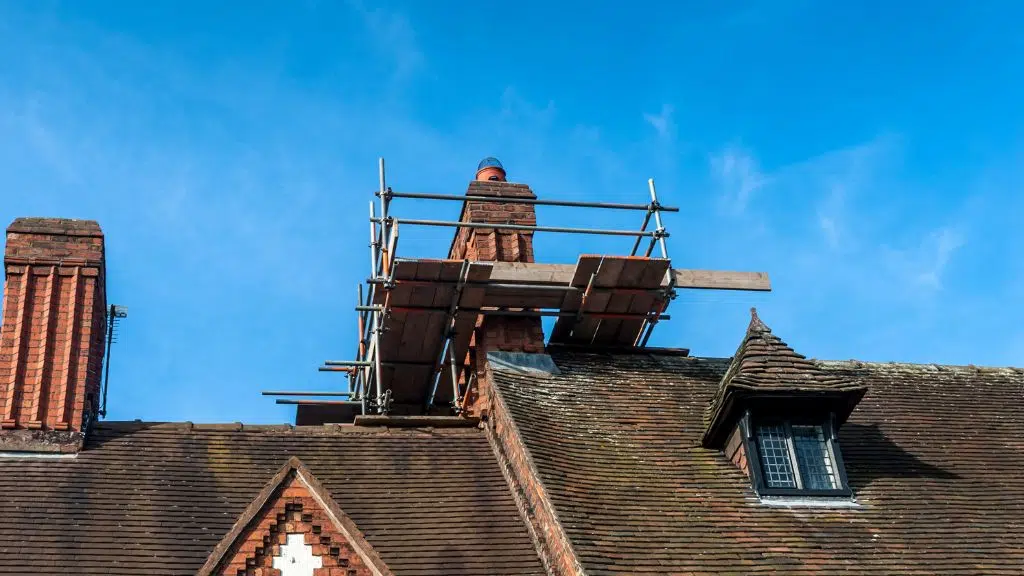
Whatever roof issue you are facing in West Dublin, Augustine personally inspects, prices, and carries out the work — from a quick chimney repair to a brand-new flat roof install. Explore our full range of services on the main AD Roofing Dublin page.
5 Star Rated Roofers In Your Area




Get Your Roof Assessed by the Person Who's Actually Doing the Work

Three Generations of Estate Housing, Three Different Roofing Conversations
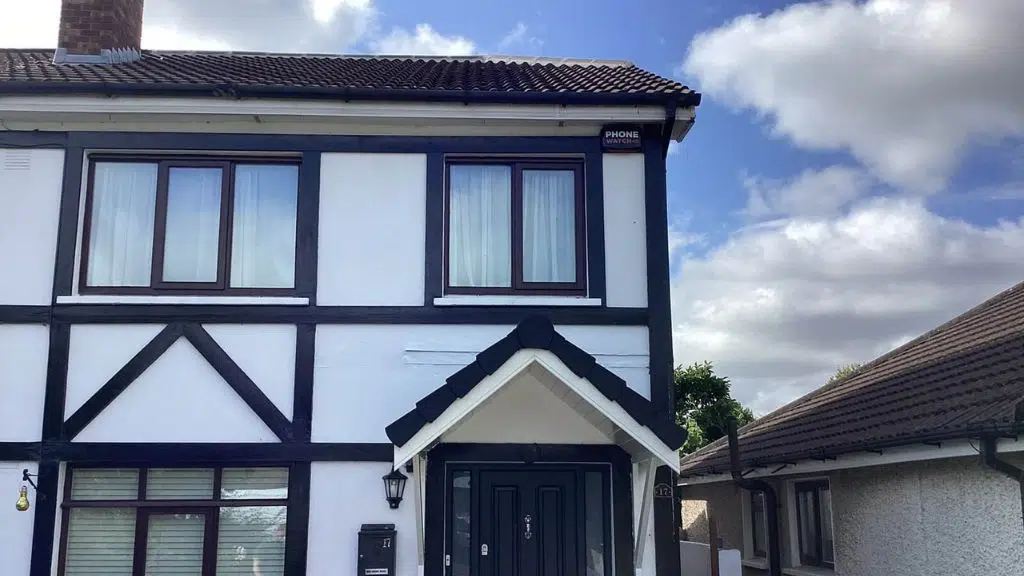
Because each of Blanchardstown's growth waves happened at a different time under different building standards, a 1940s-era property, a 1970s estate house, and a boom-years development are facing genuinely different roofing questions, even if they sit within a few streets of each other. The earliest housing from that first 1940s wave is now old enough that a proper inspection isn't optional — it's overdue. The much larger 1970s wave, which did the real work of turning Blanchardstown from village into suburb, is squarely in the age bracket where underlying issues commonly surface for the first time.
Real, named estates throughout the area reflect this layering directly — Whitestown Walk and Whitestown Gardens, Springlawn Drive, Summerfield Rise, and Orchard Grove near the Castleknock border, Roselawn closer to the original village core, and newer developments like Waterville built later still. Knowing which wave your specific estate belongs to is a genuinely useful starting point before booking anyone out, since the right urgency and the right questions differ meaningfully between them.
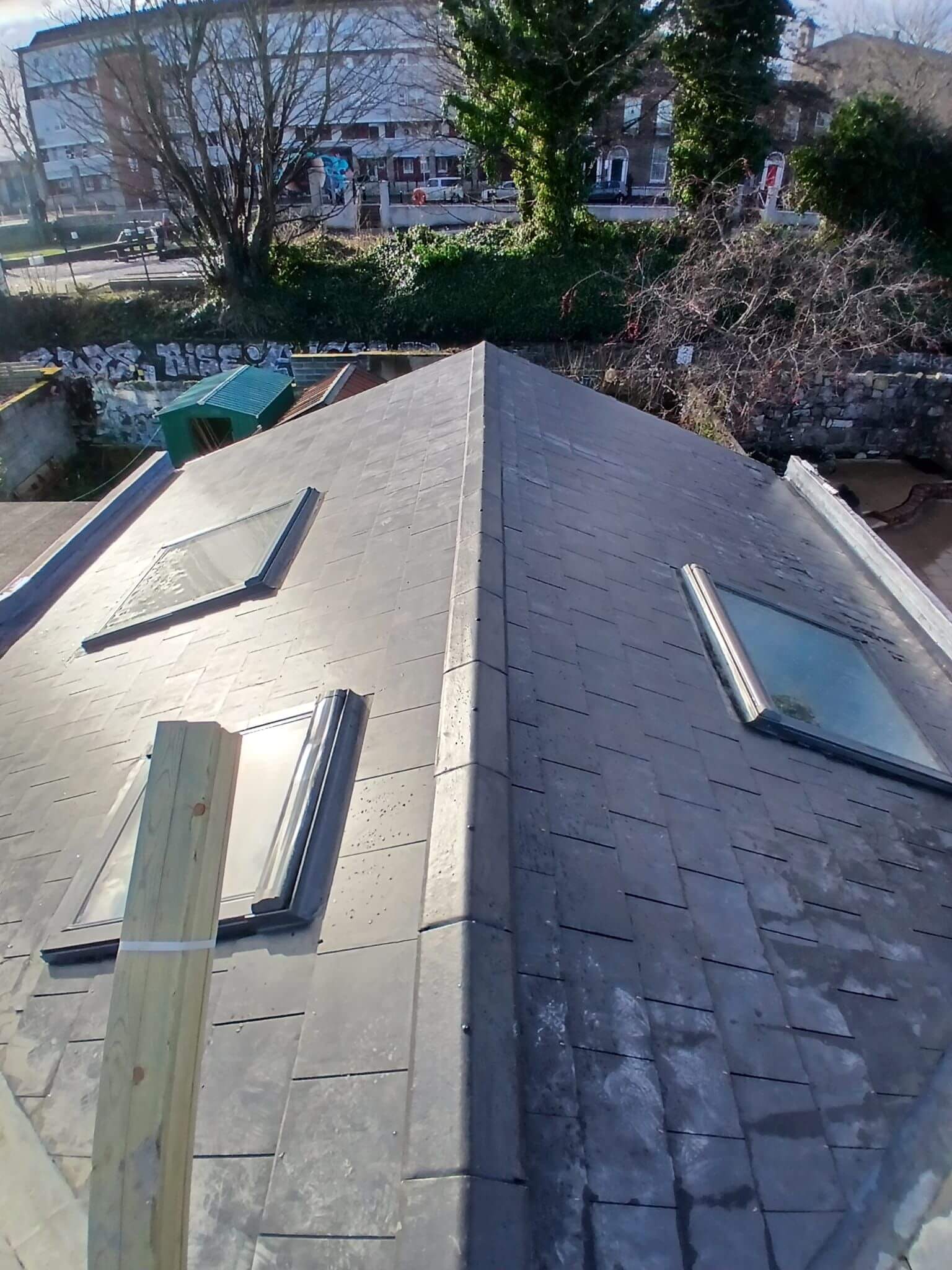
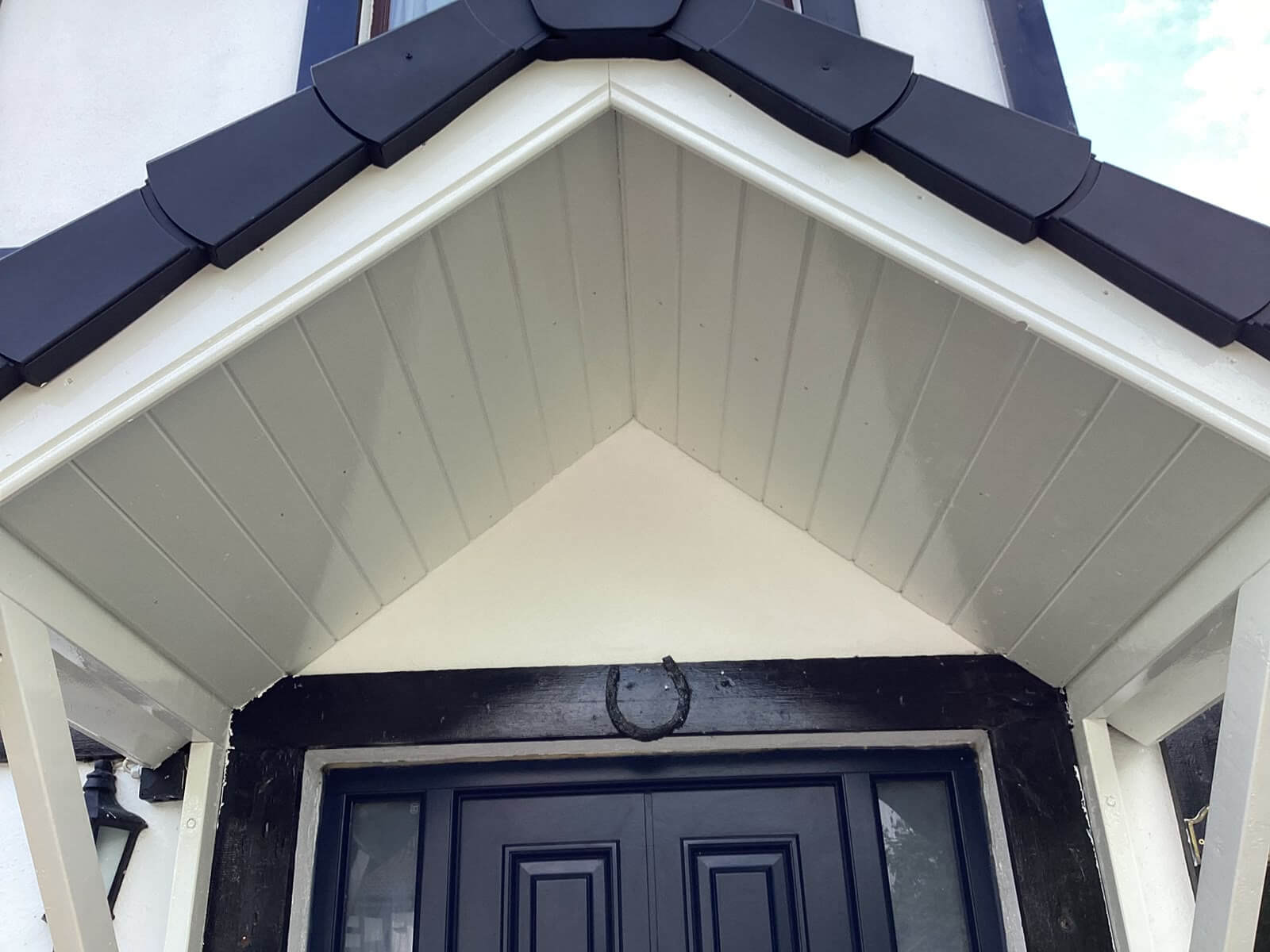
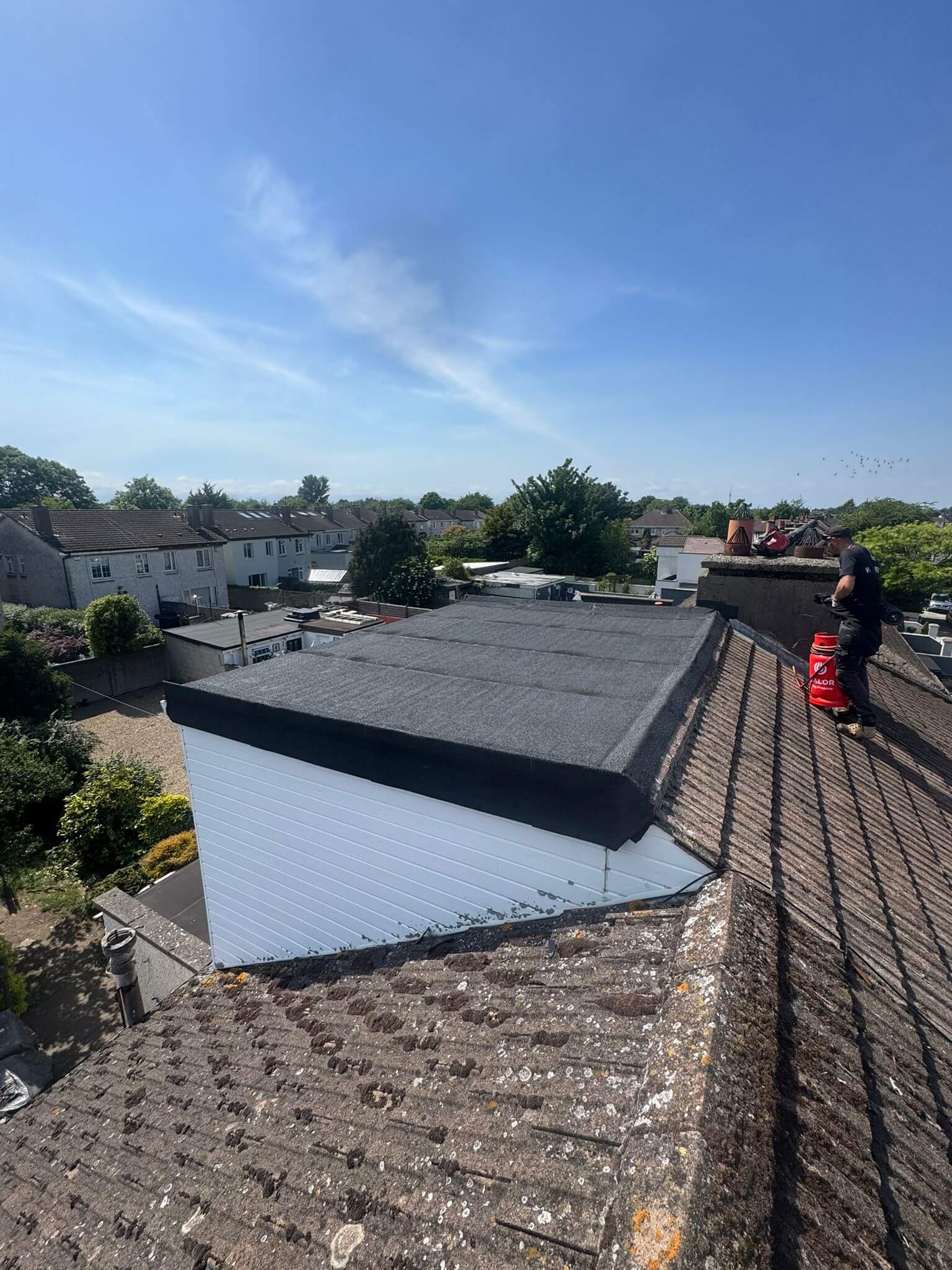
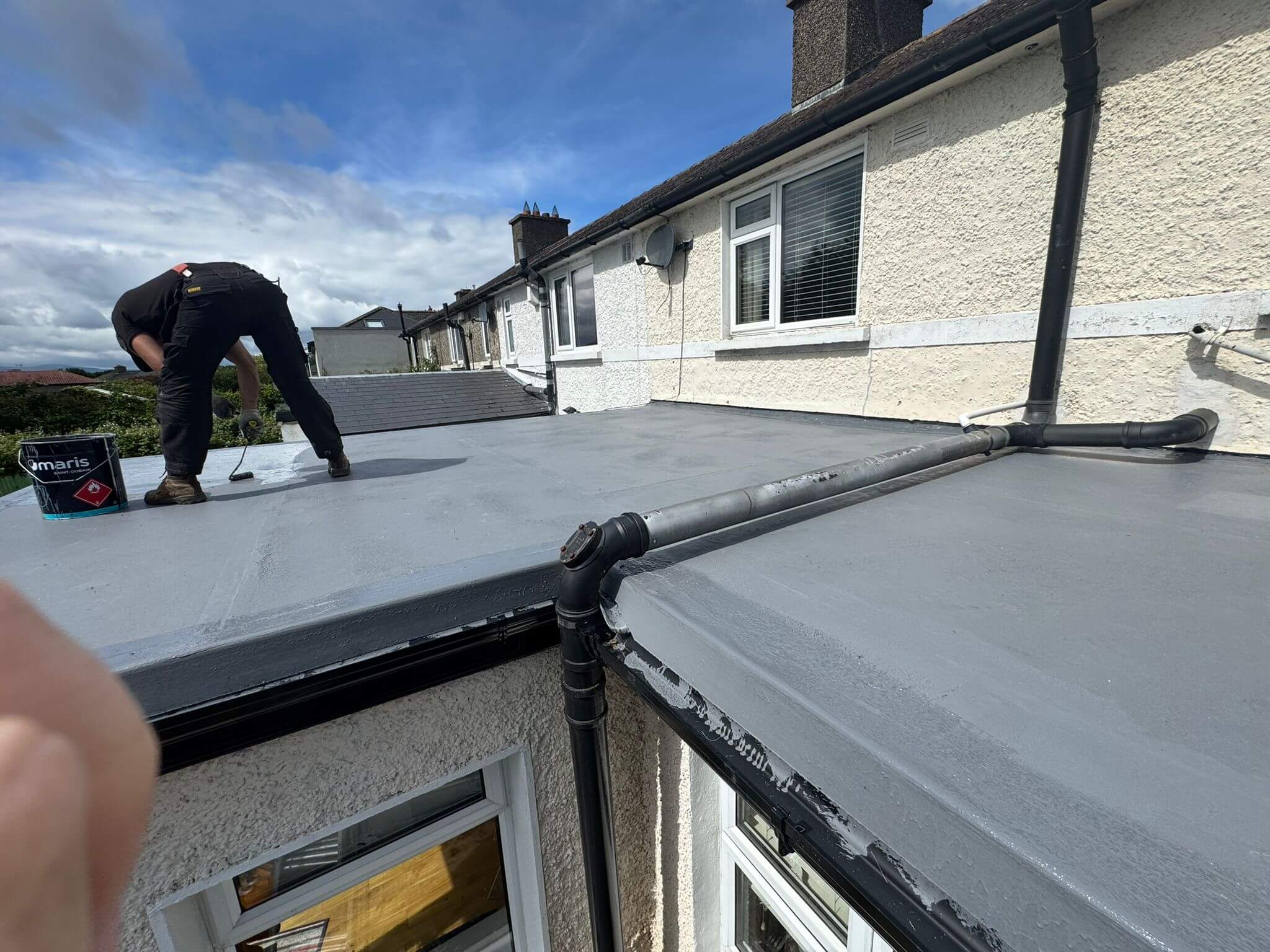
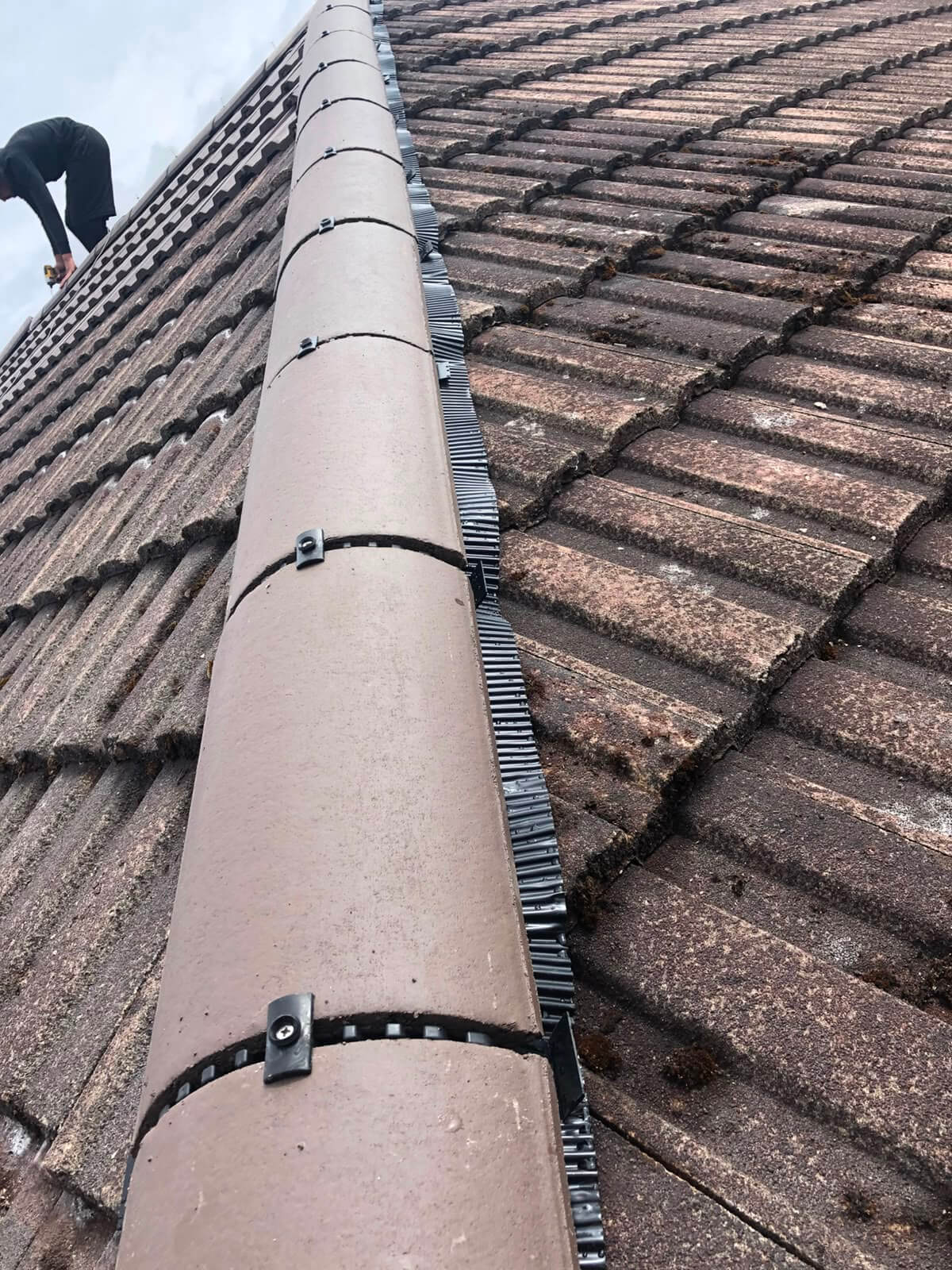
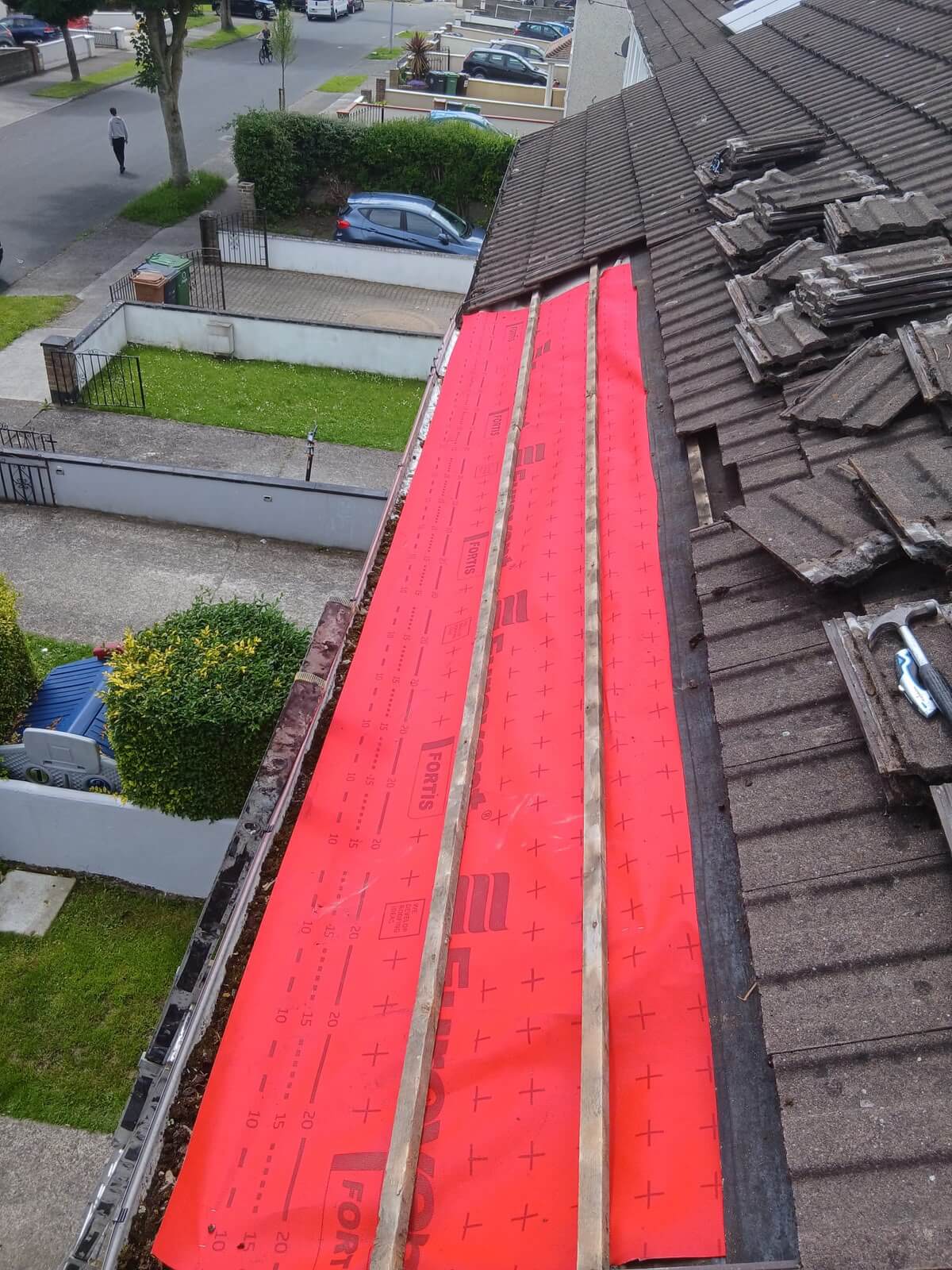
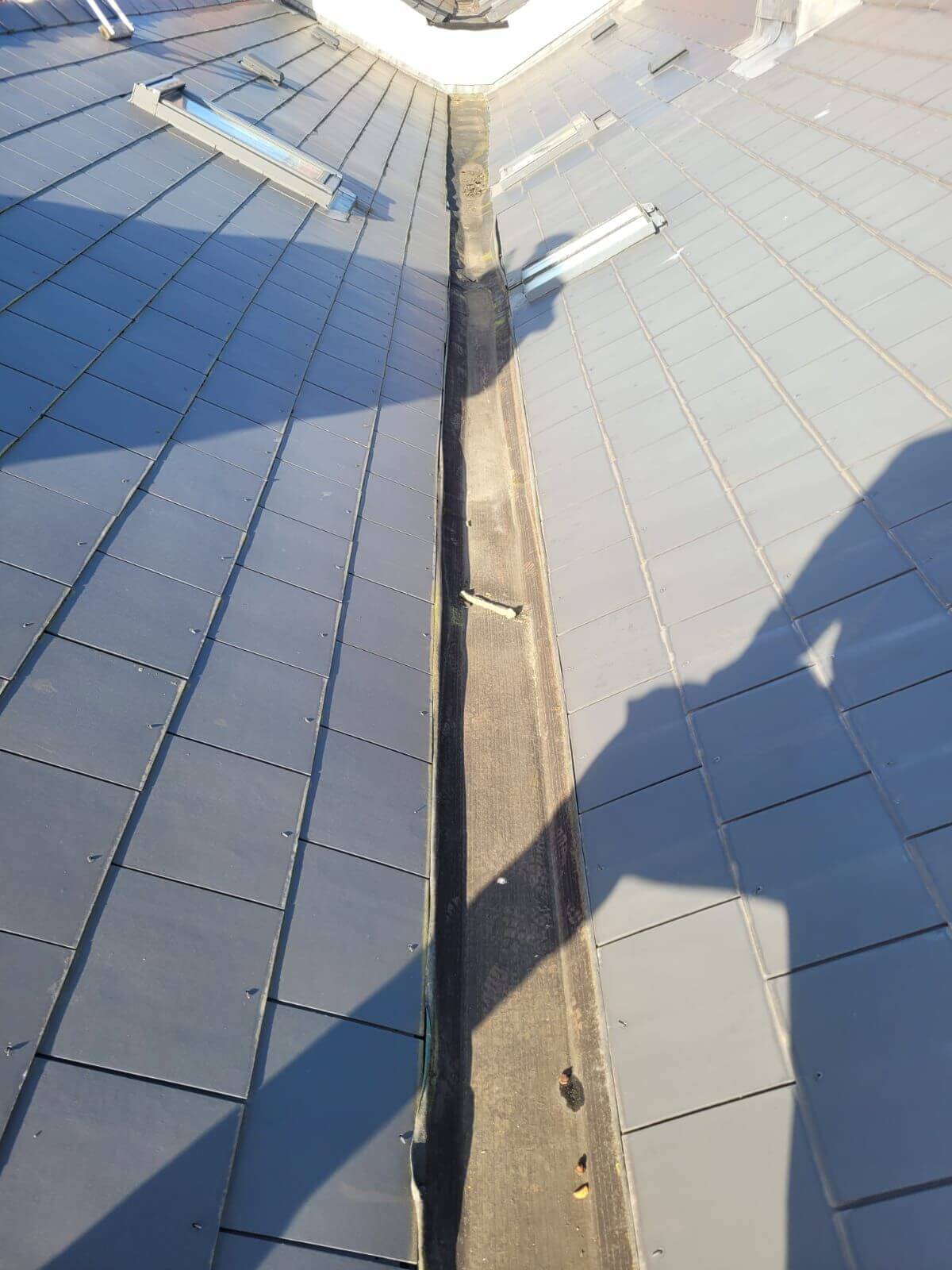
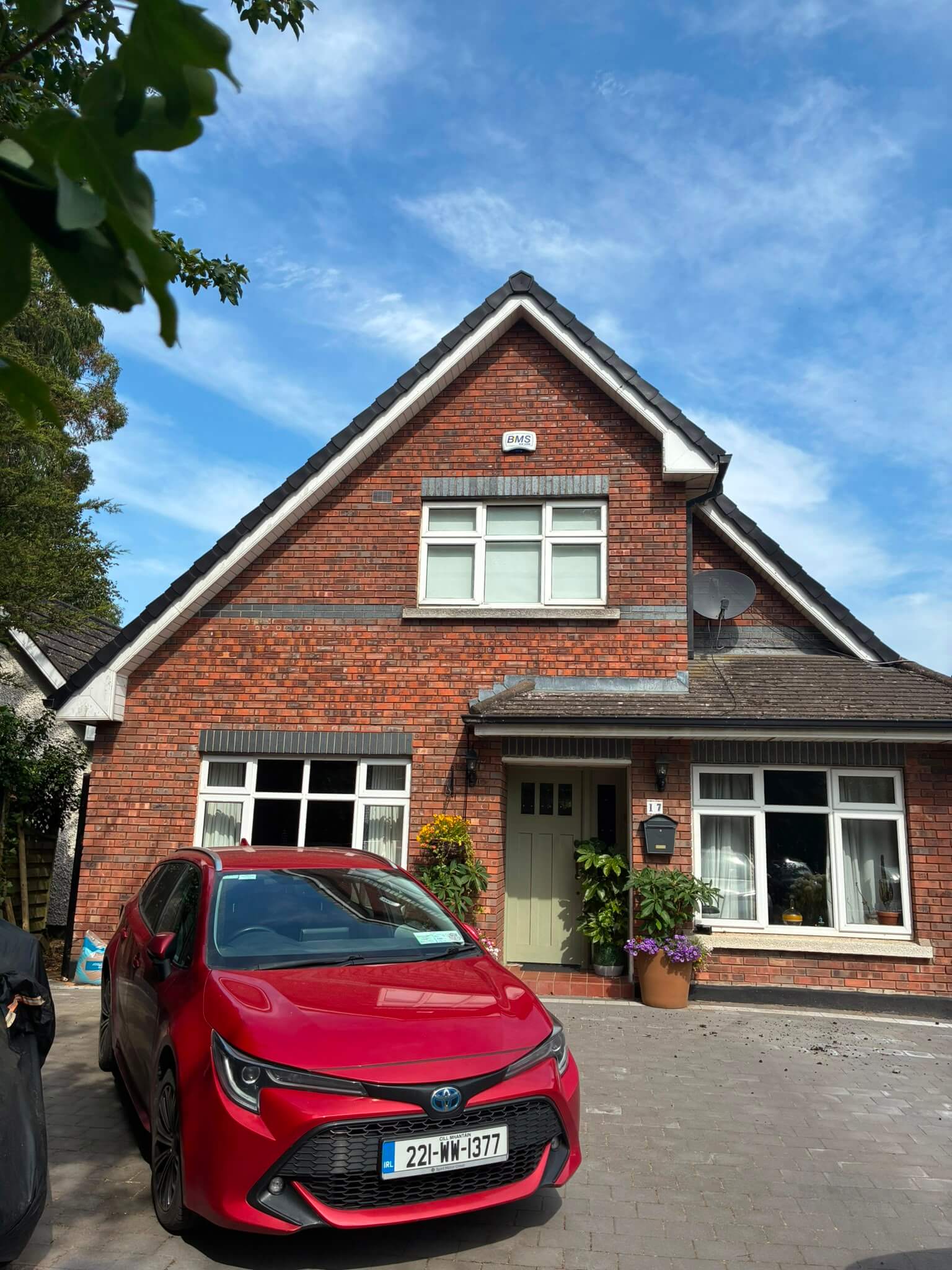
Photos Of Our Recent Roofing Work
Questions We Get Asked About Roofing in Blanchardstown
Is my Blanchardstown property from the 1940s wave, the 1970s boom, or a later development?
It depends where specifically you're located — the original village core and earliest estates are the oldest; the bulk of Whitestown, Springlawn, and similar areas date from the major 1970s expansion; developments like Waterville came later still. We confirm which applies during inspection.
My estate was part of the big 1970s expansion — should I be checking for anything specific?
Yes, worth a proper look. Housing from that era is now at the point where underlying issues — ageing fixings, worn underlay — commonly surface for the first time, even without obvious symptoms yet.
Does Blanchardstown have any genuine older or period housing left?
Yes, primarily around the original village core near St Brigid's Church — a small pocket of older character amid the much larger surrounding estate development.
Do you cover the whole Blanchardstown area, given how large it's become?
Yes — from the older village core through to the various estate waves and newer developments across the wider Blanchardstown and Dublin 15 area.
Any Questions?
Ask Us
What's Actually Left of the Original Village
Amid all that growth, a genuine historic core still survives. St Brigid's Church, with its distinctive 19th-century Flemish spire, remains the mother church of the original Blanchardstown parish, and the old village area around it retains some sense of what existed before the housing estates arrived.
A property genuinely tied to this older core — rather than any of the later estate waves — needs a different roofing conversation again: proper attention to age and any period character, not the standard estate-era approach that suits the vast majority of what's now built around it.
Get Your Blanchardstown Roof Assessed Properly, Whichever Wave It Belongs To
Whether it's an early estate house overdue an inspection or a property closer to the original village core, a proper assessment tells you exactly where you stand. Call Augustine directly on 087 198 5679 for a free physical inspection.