
Roofers in Blackrock | Georgian & Victorian Roofing Specialists
From "Roundtown" to Redbrick: Three Distinct Building Eras in One Village
Terenure was originally known as Roundtown, named for a circle of cottages built around the crossroads in 1801 where a new road from Rathgar first crossed the older route out from Harold's Cross. That crossroads village grew steadily through the 19th century, but the defining building boom came in the 1880s and 90s, when the redbrick houses along Brighton Road, Ashdale Road, and Terenure Park went up, followed by Eaton Square in 1920 — the era that gave Terenure the Victorian redbrick character it's still best known for today.
What makes Terenure genuinely distinct from its neighbours, though, is a third layer most people don't know about. In the late 1940s, Guinness Brewery bought a 22-acre site at Mount Tallant Avenue specifically to build housing for its own employees, addressing a serious post-war housing shortage among married men working at St. James's Gate.
The resulting estate — now Corrib Road and sections of Melvin Road and Derravaragh Road — is a genuinely unique piece of local history: purpose-built employer housing from a single, coordinated construction period, quite different in character to both the earlier Victorian redbrick and the general suburban estate housing that followed once Terenure was formally incorporated into the city in 1932.


Roofing Services We Offer in Terenure
Whatever has gone wrong with your roof in South Dublin, Augustine and his crew handle it directly — from a single slipped slate on a period property to a complete re-roof. Learn more about our background and service guarantees on our main Roofers Dublin homepage.
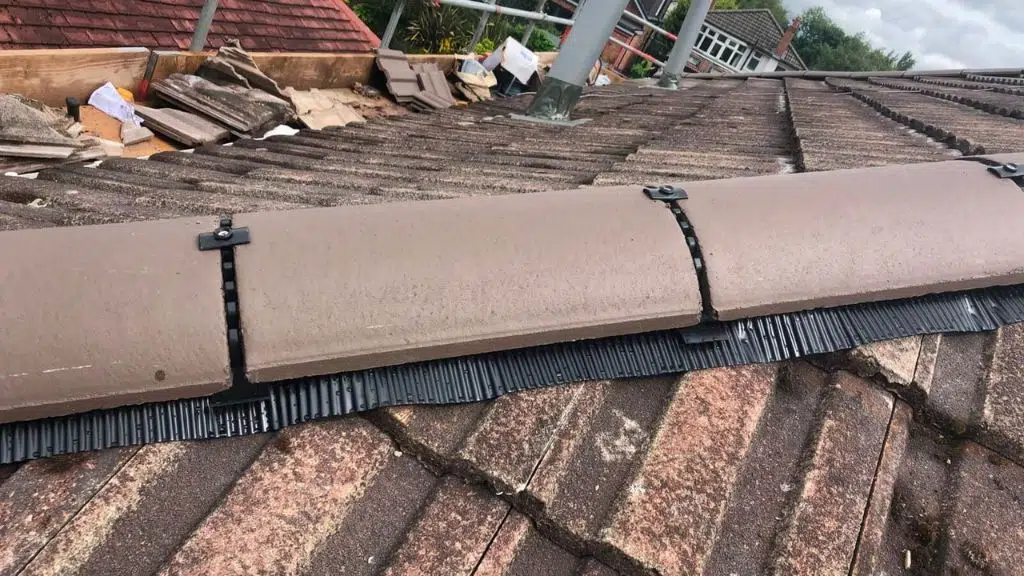
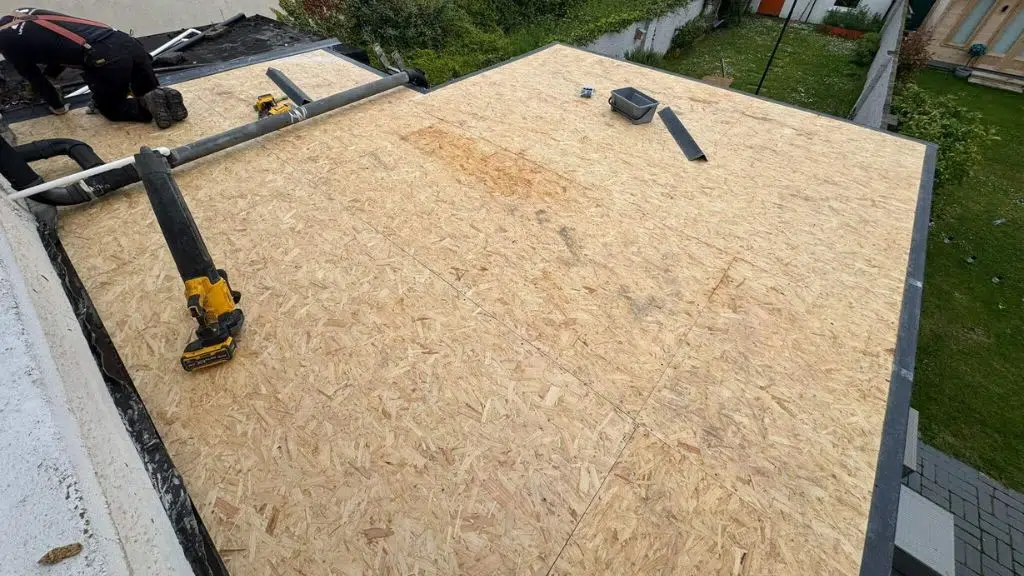
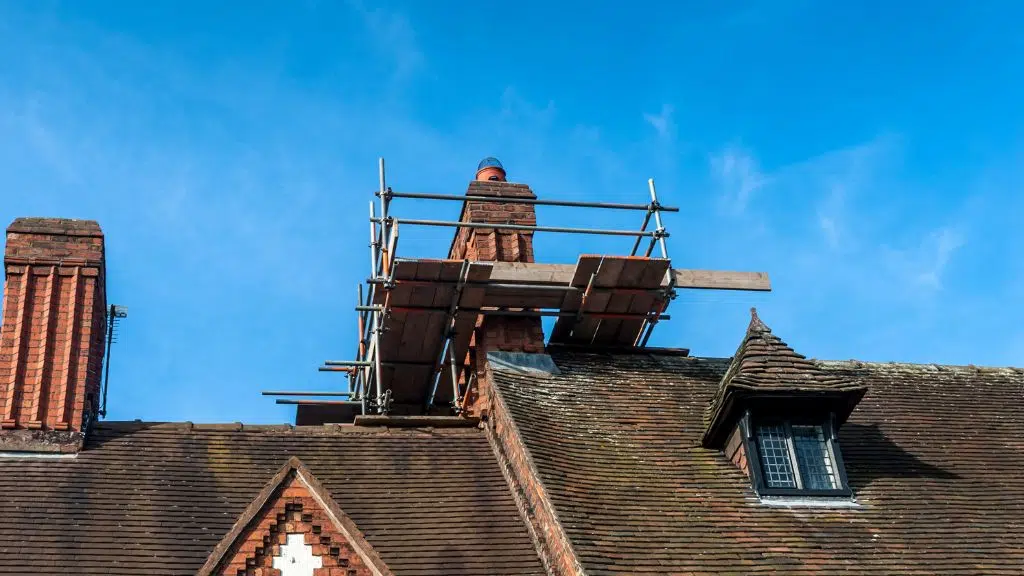
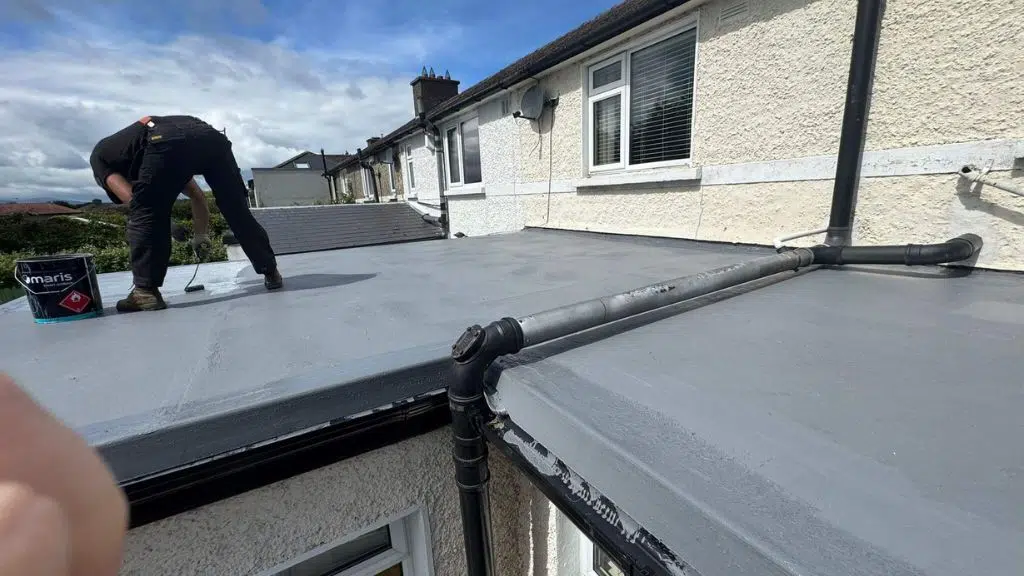
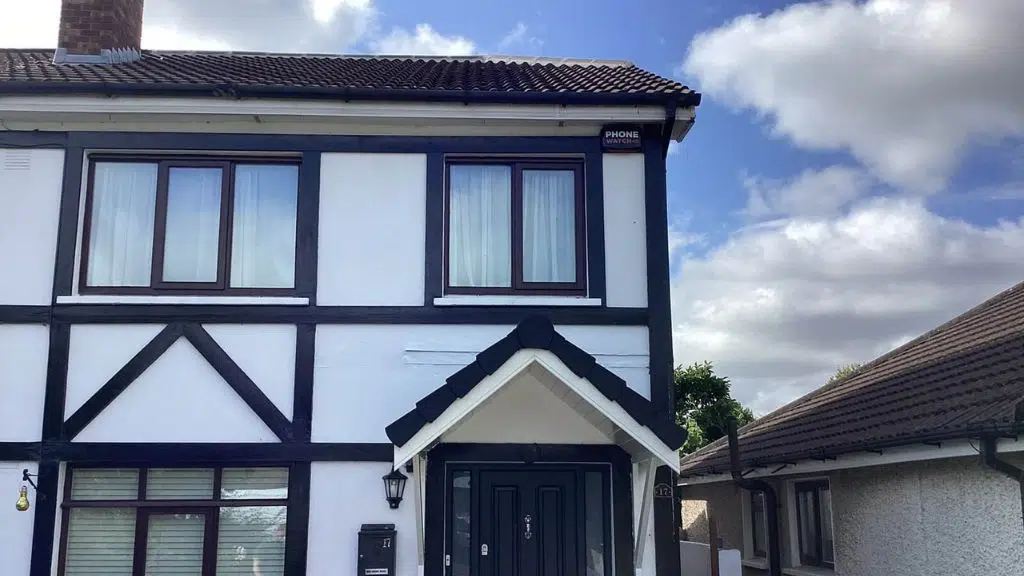
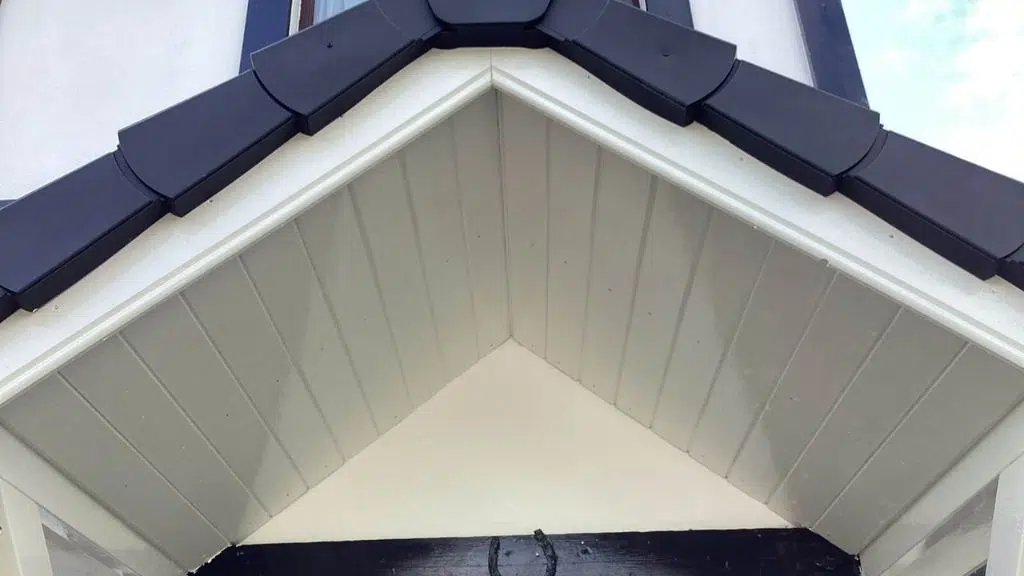
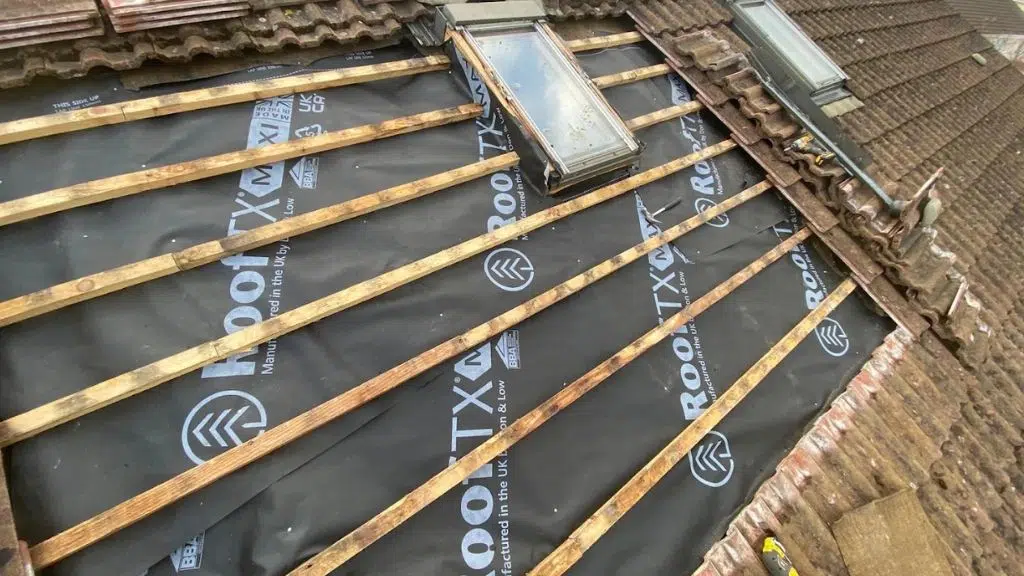
5 Star Rated Roofers In Your Area




Get Your Roof Assessed by the Person Who's Actually Doing the Work

Why Knowing Which Era Your House Belongs To Actually Matters
A roofer quoting Terenure without accounting for this layered history is missing something real. A Victorian redbrick property on Brighton Road or Ashdale Road calls for a completely different roofing approach than a Guinness-era Corrib Road house from the late 1940s, which in turn differs again from the general suburban housing built once the area's rural land was fully developed through the 1930s onward.
Matching slate profile and roof detailing properly on the redbrick terraces means understanding that late-Victorian building convention specifically — it's not the same job as re-roofing a mid-century employer-built estate house, even though both might sit within a few streets of each other.
This is exactly why a proper inspection, not a phone estimate, matters more in an area like Terenure than somewhere with one uniform housing era. We identify which generation your property actually belongs to before recommending any material or approach, rather than applying a single blanket policy across a village that genuinely contains three distinct building periods.
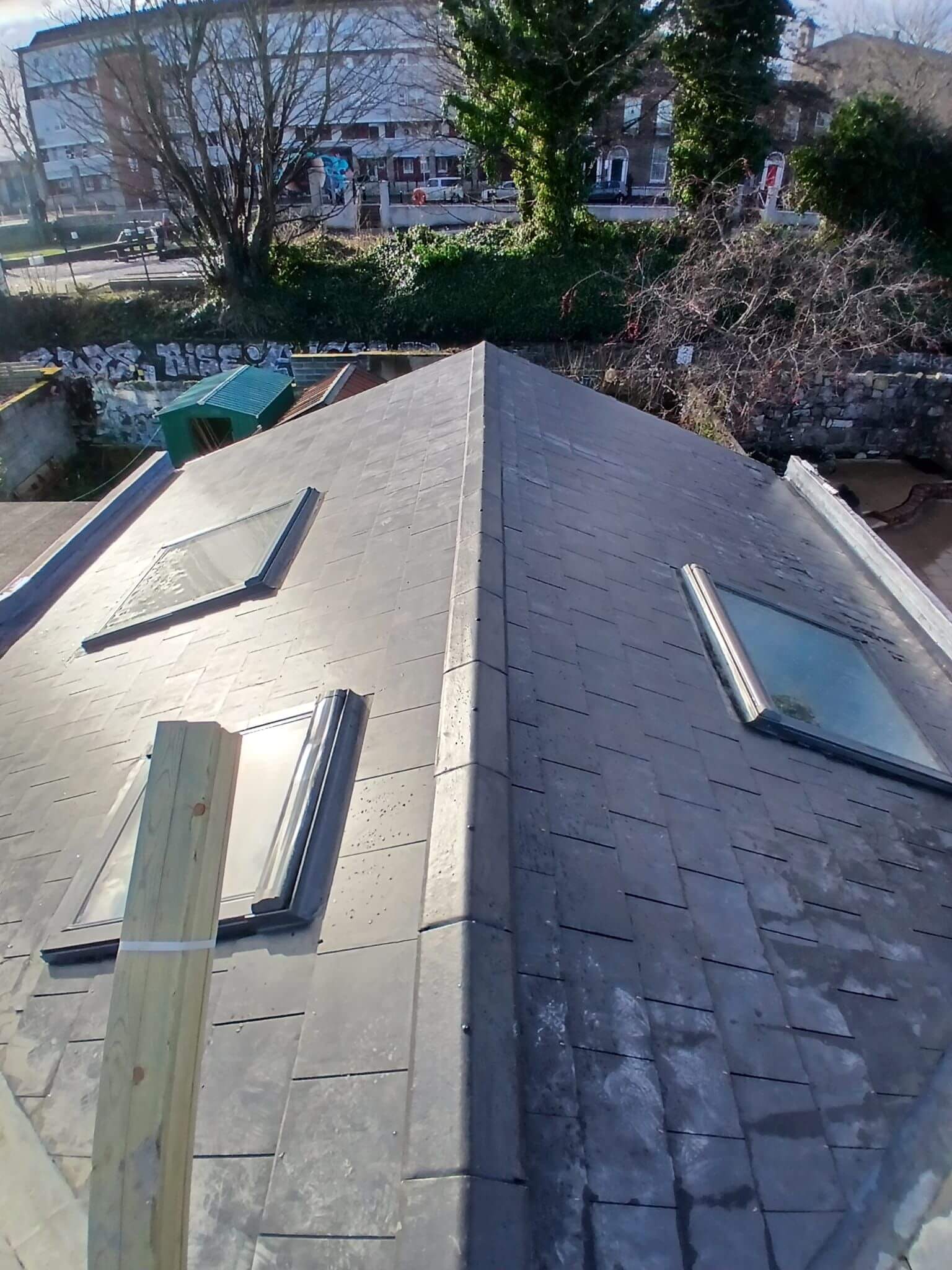
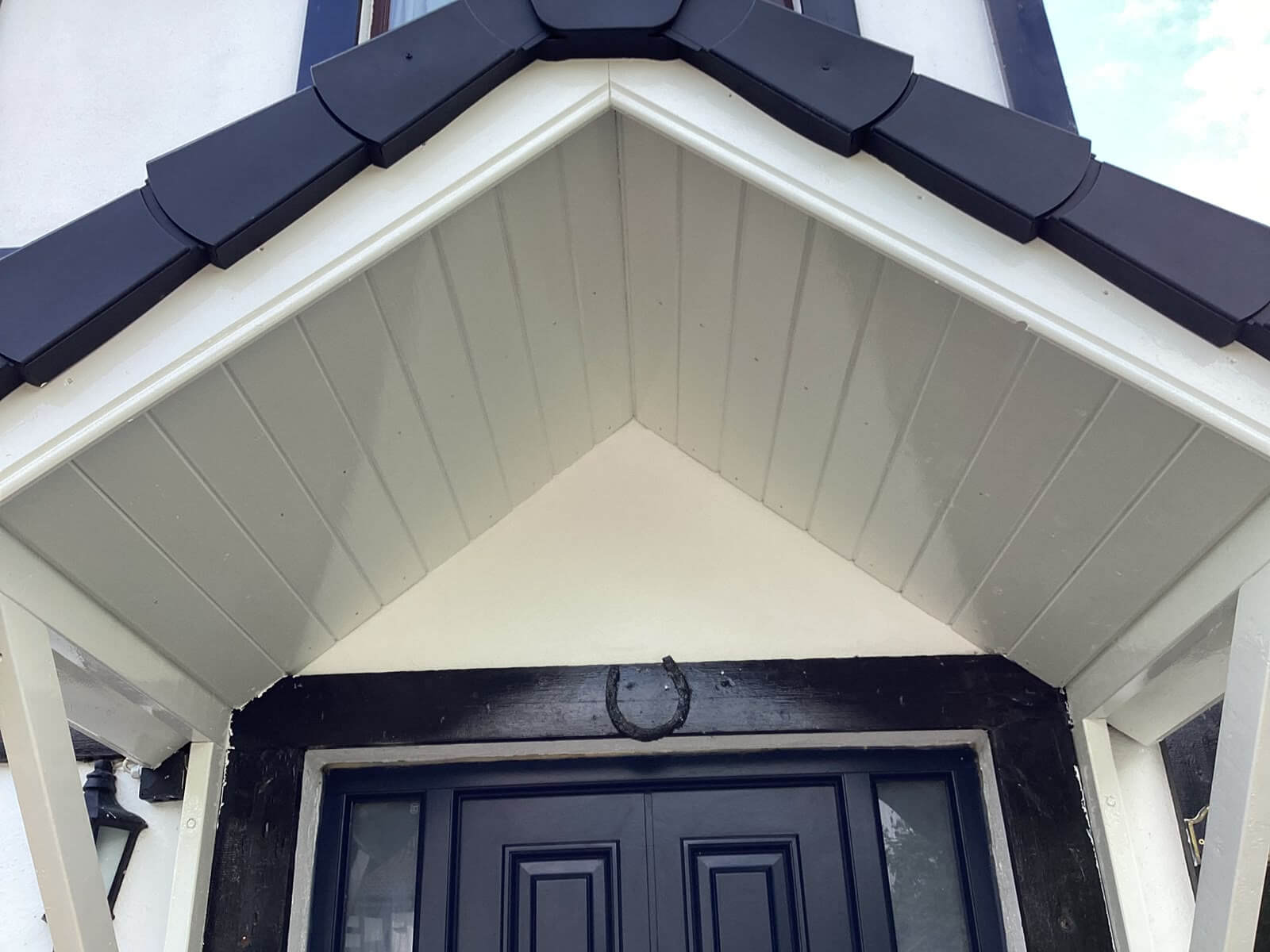
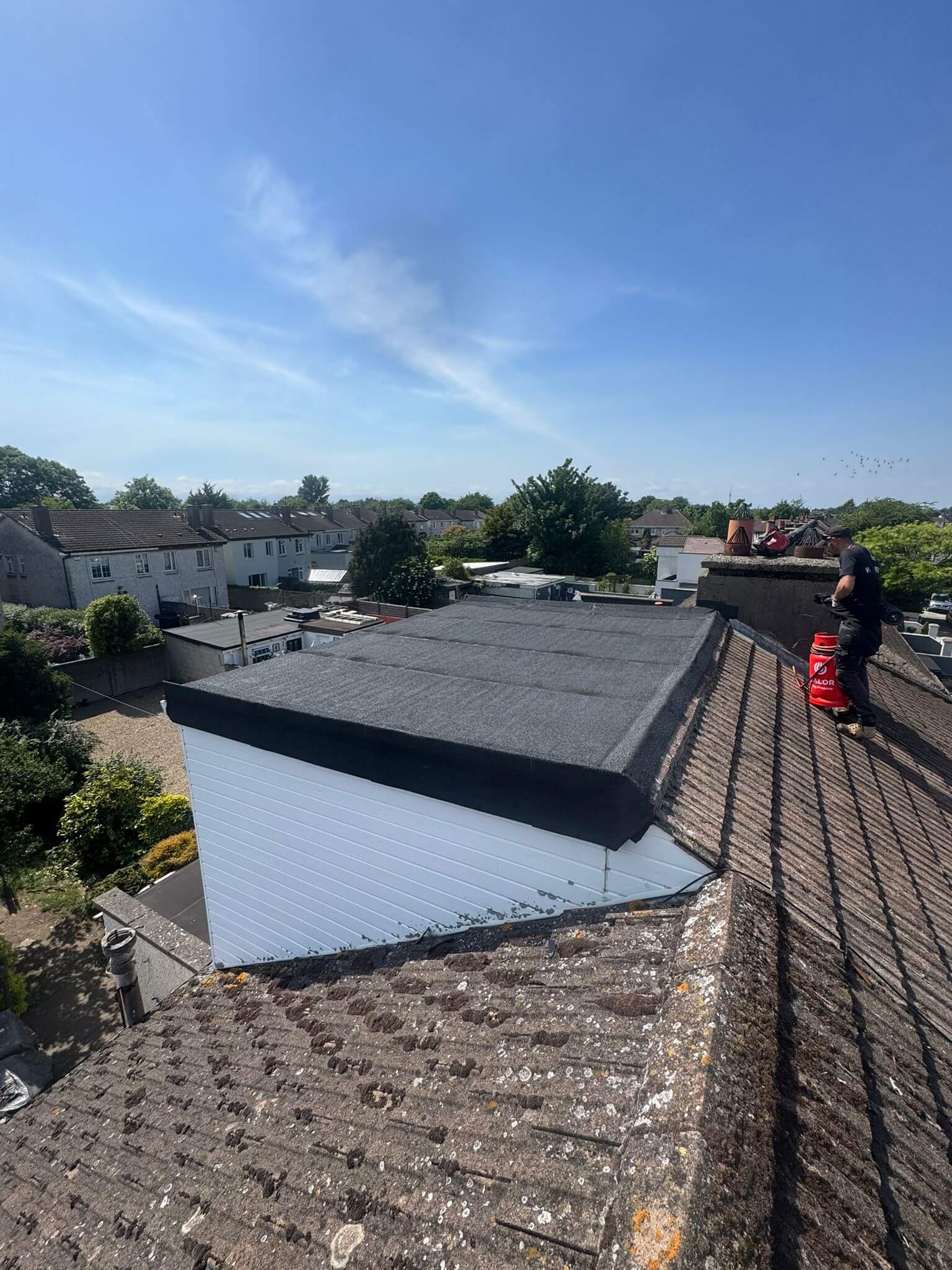
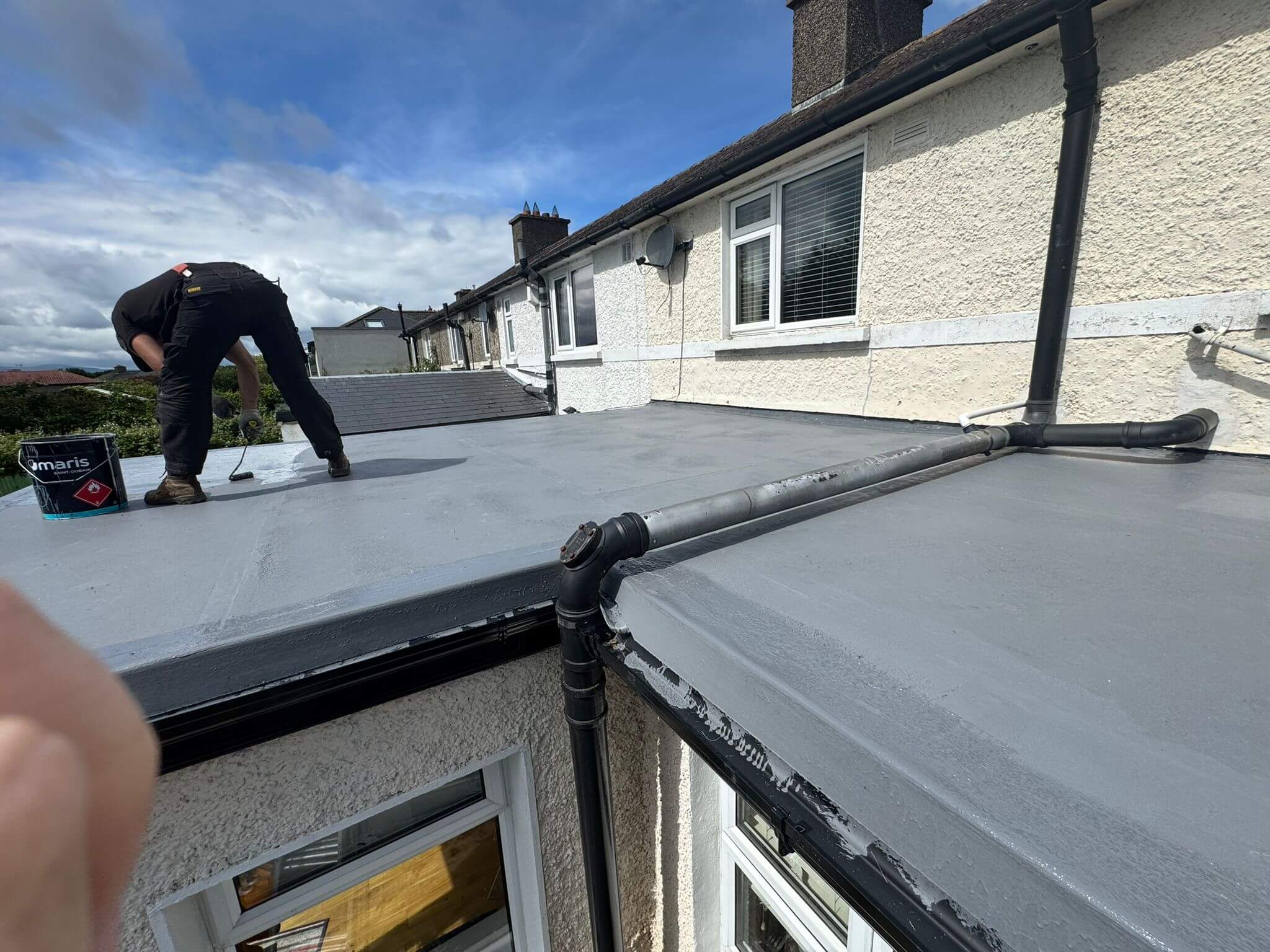
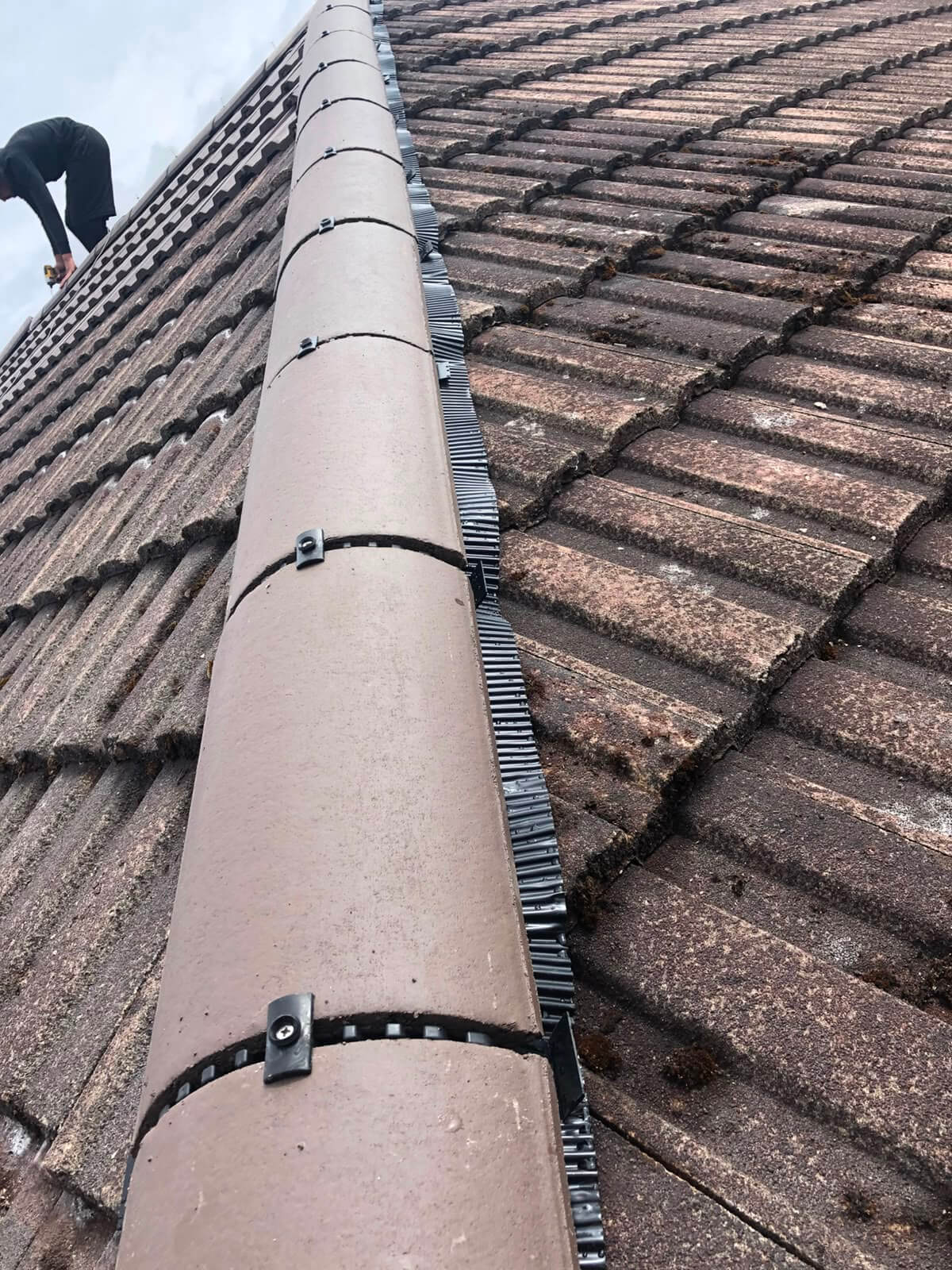
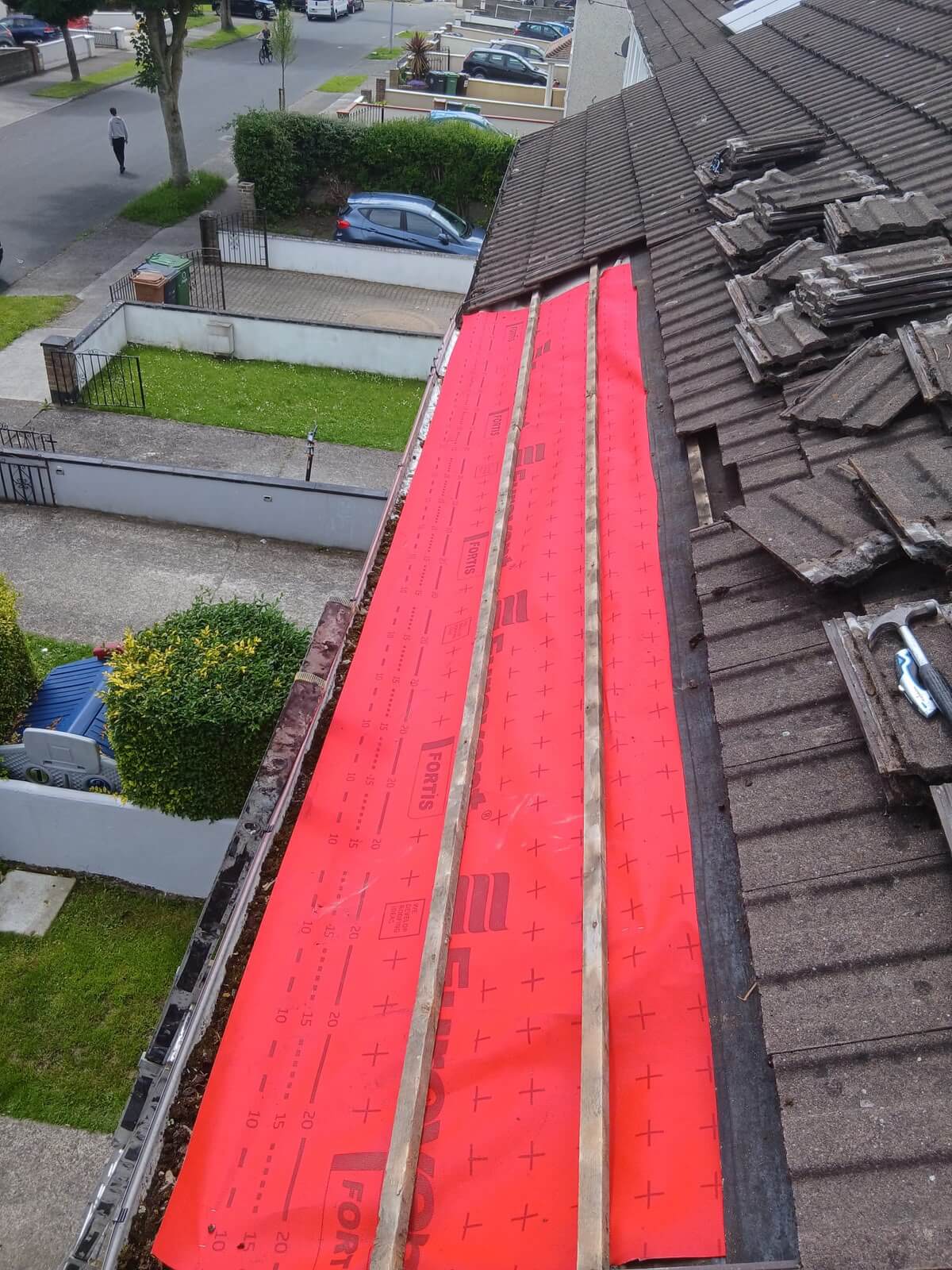
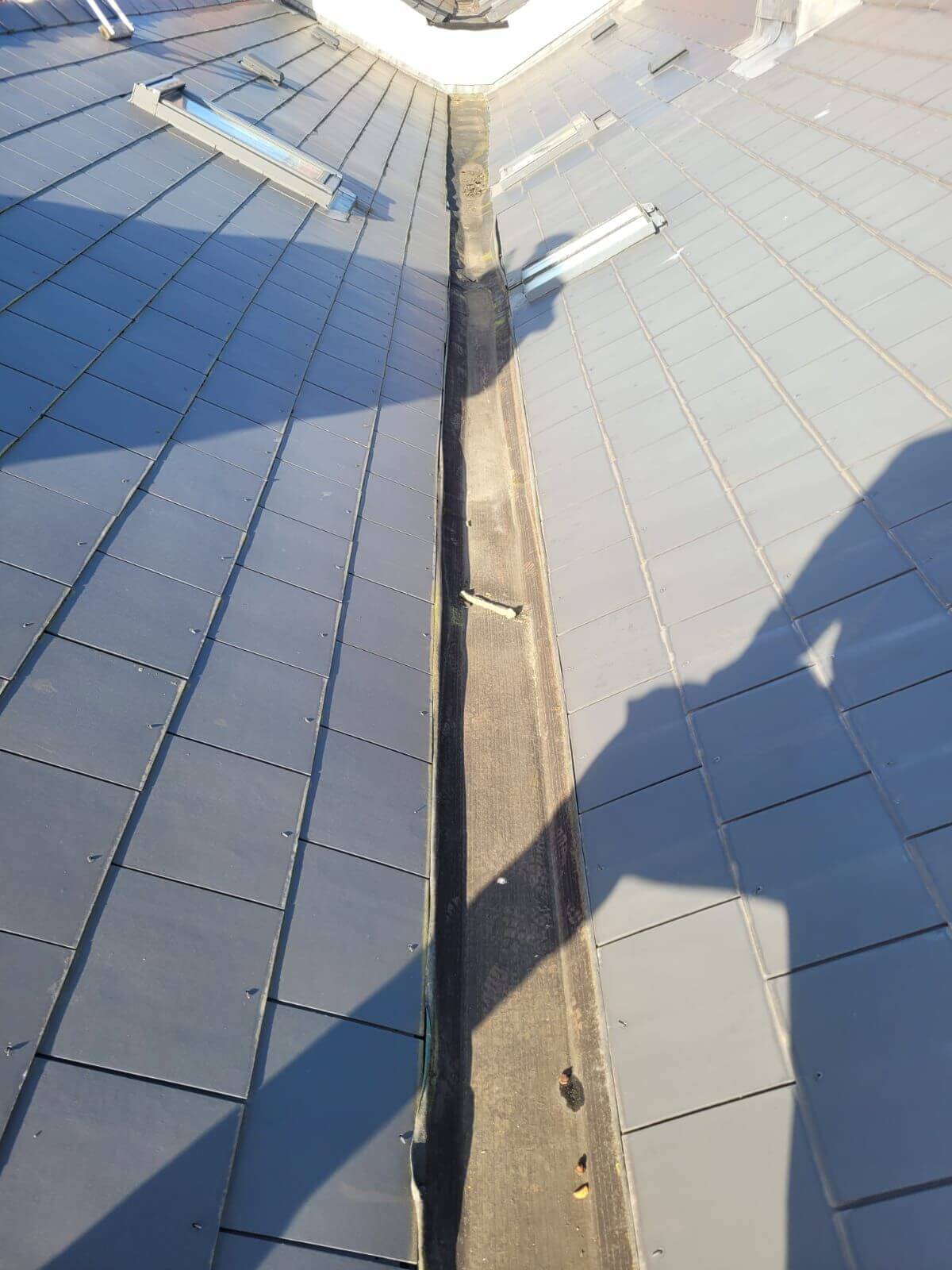
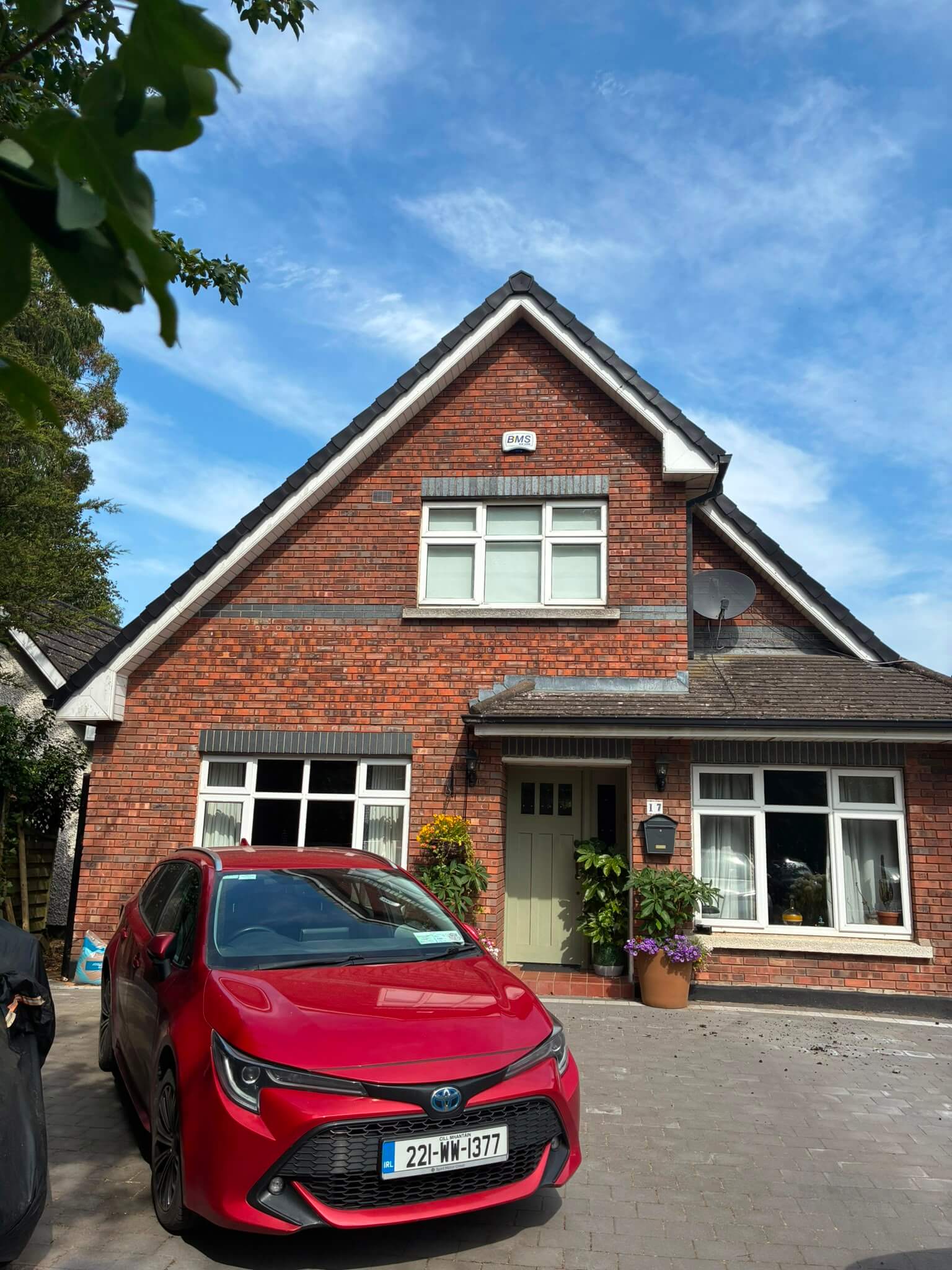
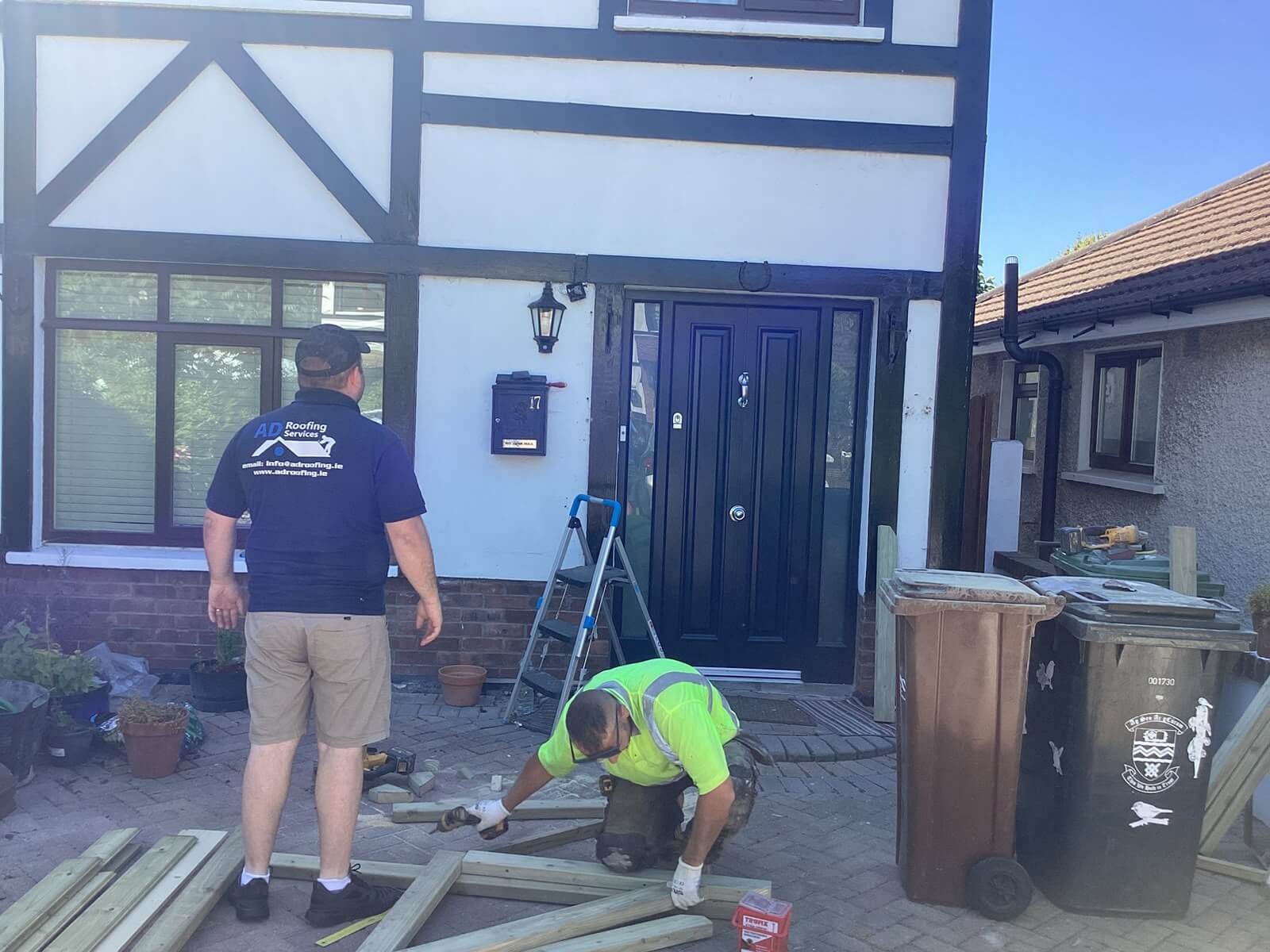
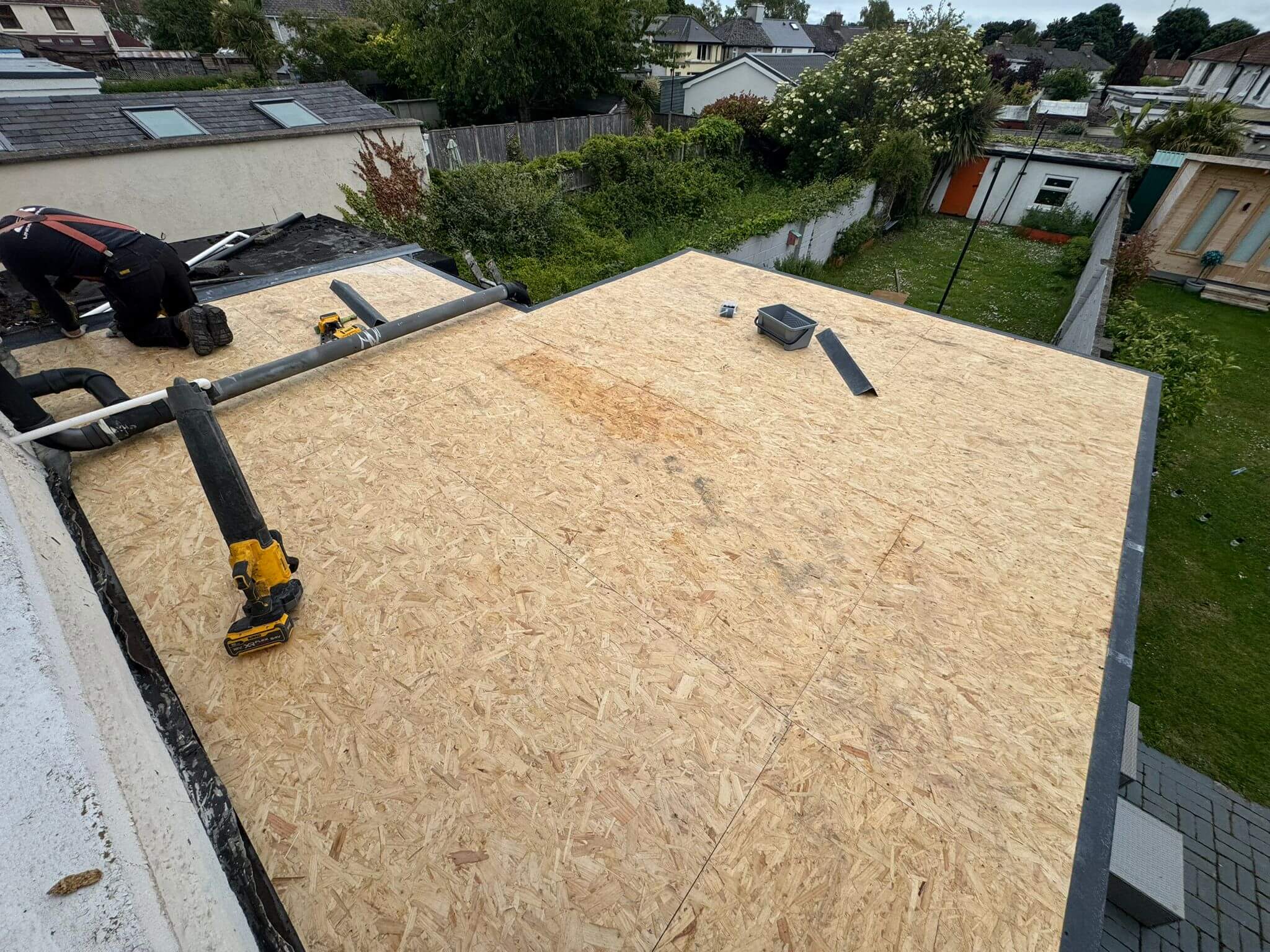
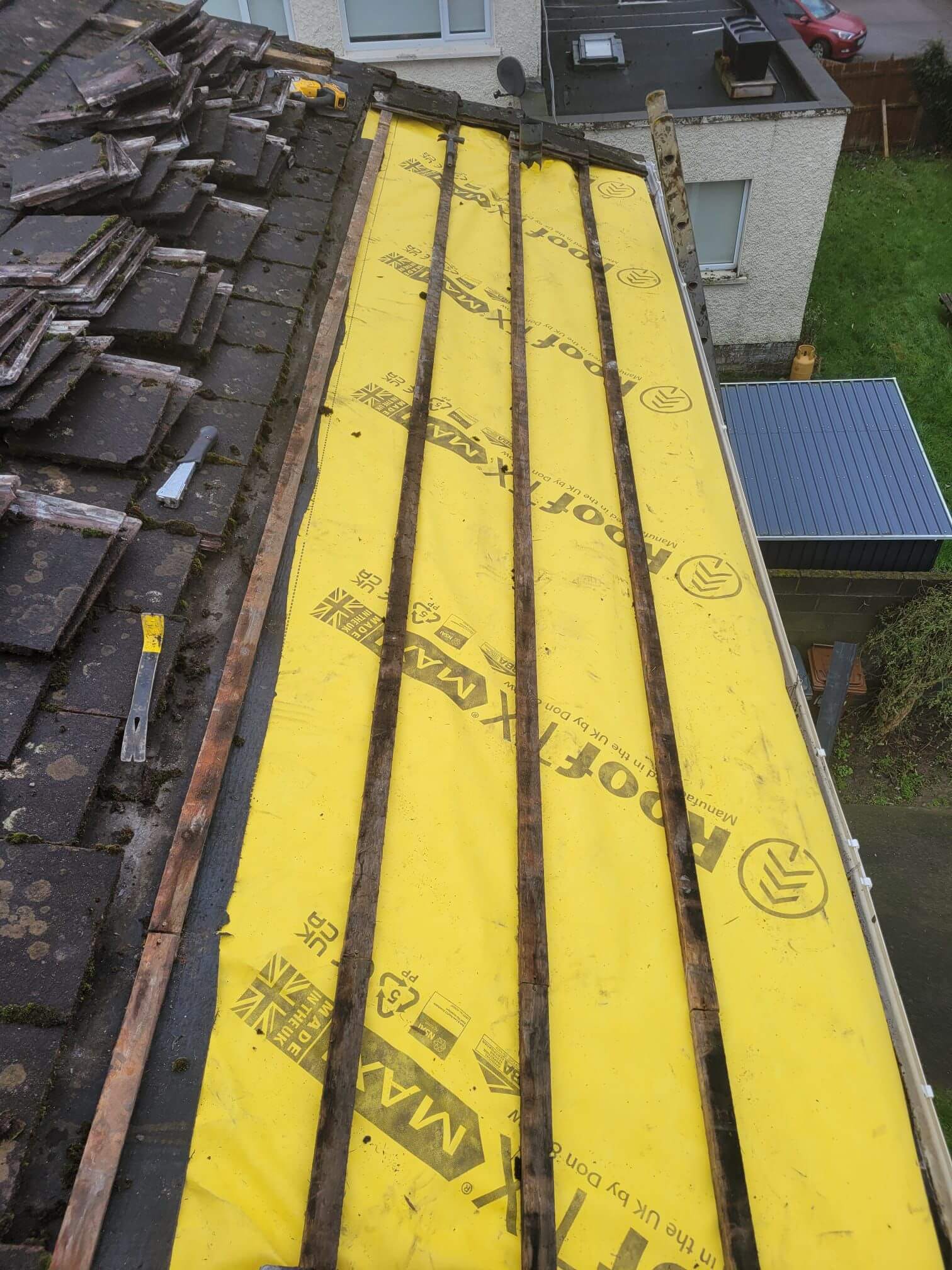
Photos Of Our Recent Roofing Work
Questions We Get Asked About Roofing in Terenure
Is my Terenure property Victorian redbrick, Guinness-era, or later suburban housing?
It depends where in the area your property sits — Brighton Road, Ashdale Road, and Terenure Park are classic late-Victorian redbrick; Corrib Road and the surrounding streets are the distinctive Guinness employee-housing estate from the late 1940s; and much of the wider area developed as standard suburban housing from the 1930s onward. We confirm which applies to yours during inspection.
Does my house being part of the old Guinness estate on Corrib Road affect the roofing approach?
It can — these were built to a coordinated standard across a single development period, which is worth knowing when planning a repair or replacement, even though the estate doesn't carry the same conservation restrictions as some of Dublin's older Victorian terraces.
Why would two houses a few streets apart in Terenure need completely different roofing approaches?
Because Terenure genuinely spans three separate building eras rather than one — a redbrick Victorian terrace, a mid-century employer-built estate house, and general 1930s-onward suburban housing all sit within the same small area, each with a different original roofing standard.
My redbrick house on Ashdale Road or Terenure Park needs slate matched — can you do that properly?
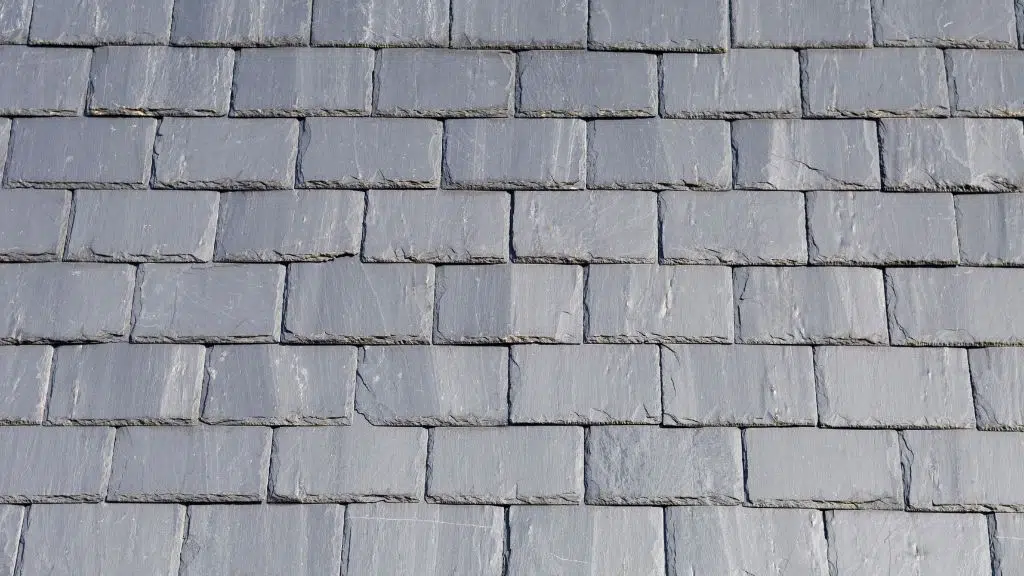
Yes — we work primarily in Blue Bangor and Spanish slate, matched to the terrace's original profile and colour rather than the closest thing available that week.
Any Questions?
Ask Us
Why Knowing Which Era Your House Belongs To Actually Matters
A roofer quoting Terenure without accounting for this layered history is missing something real. A Victorian redbrick property on Brighton Road or Ashdale Road calls for a completely different roofing approach than a Guinness-era Corrib Road house from the late 1940s, which in turn differs again from the general suburban housing built once the area's rural land was fully developed through the 1930s onward.
Matching slate profile and roof detailing properly on the redbrick terraces means understanding that late-Victorian building convention specifically — it's not the same job as re-roofing a mid-century employer-built estate house, even though both might sit within a few streets of each other.
This is exactly why a proper inspection, not a phone estimate, matters more in an area like Terenure than somewhere with one uniform housing era. We identify which generation your property actually belongs to before recommending any material or approach, rather than applying a single blanket policy across a village that genuinely contains three distinct building periods.
Get Your Terenure Roof Assessed by Someone Who Understands Which Era It Belongs To
Whether it's Victorian redbrick on Ashdale Road, a Guinness-era house on Corrib Road, or general suburban housing from the decades that followed, the right approach starts with correctly identifying what you've actually got. Call Augustine directly on 087 198 5679 for a free physical inspection.