Chimney Repairs Dublin
Common Chimney Problems We Fix Across Dublin
Damaged or Failed Flashing
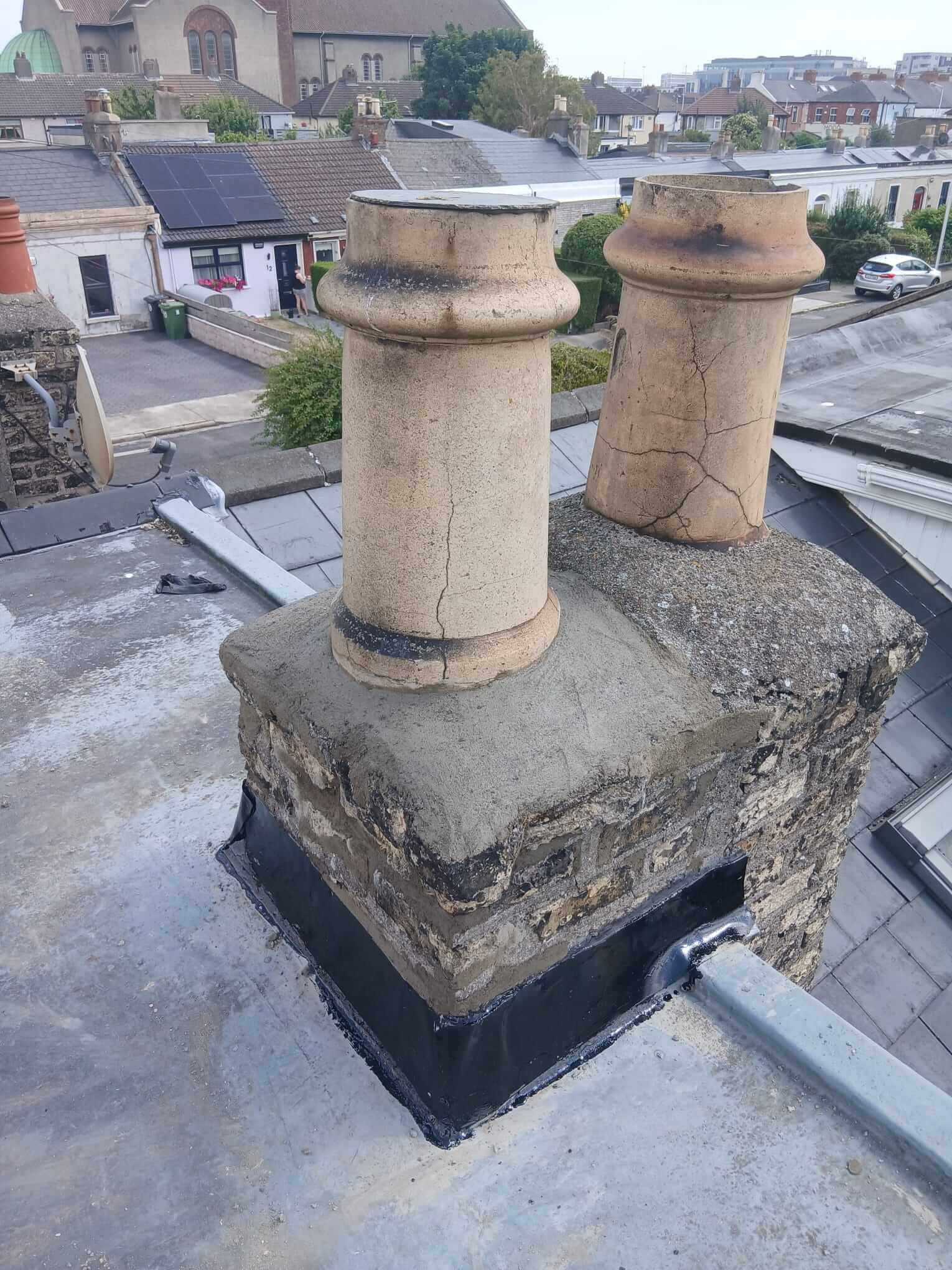
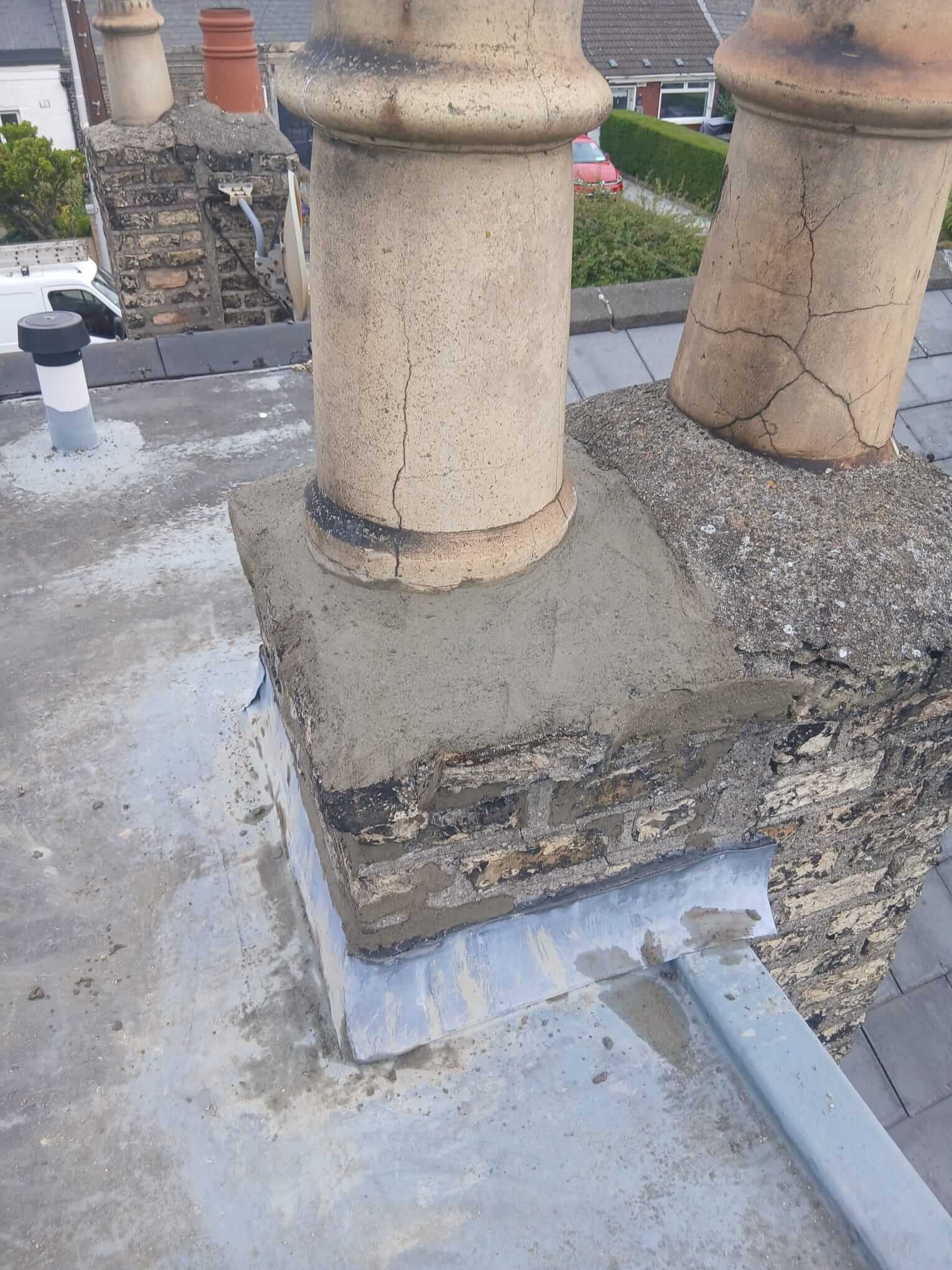
The lead flashing dressed around the chimney base is the single most common source of a leak that gets blamed on "the roof." Flashing lifts with age, splits from thermal movement, or was never dressed correctly in the first place — any of which lets water track down behind it and along the roof timber long before it ever shows as a stain.
Failed Pointing
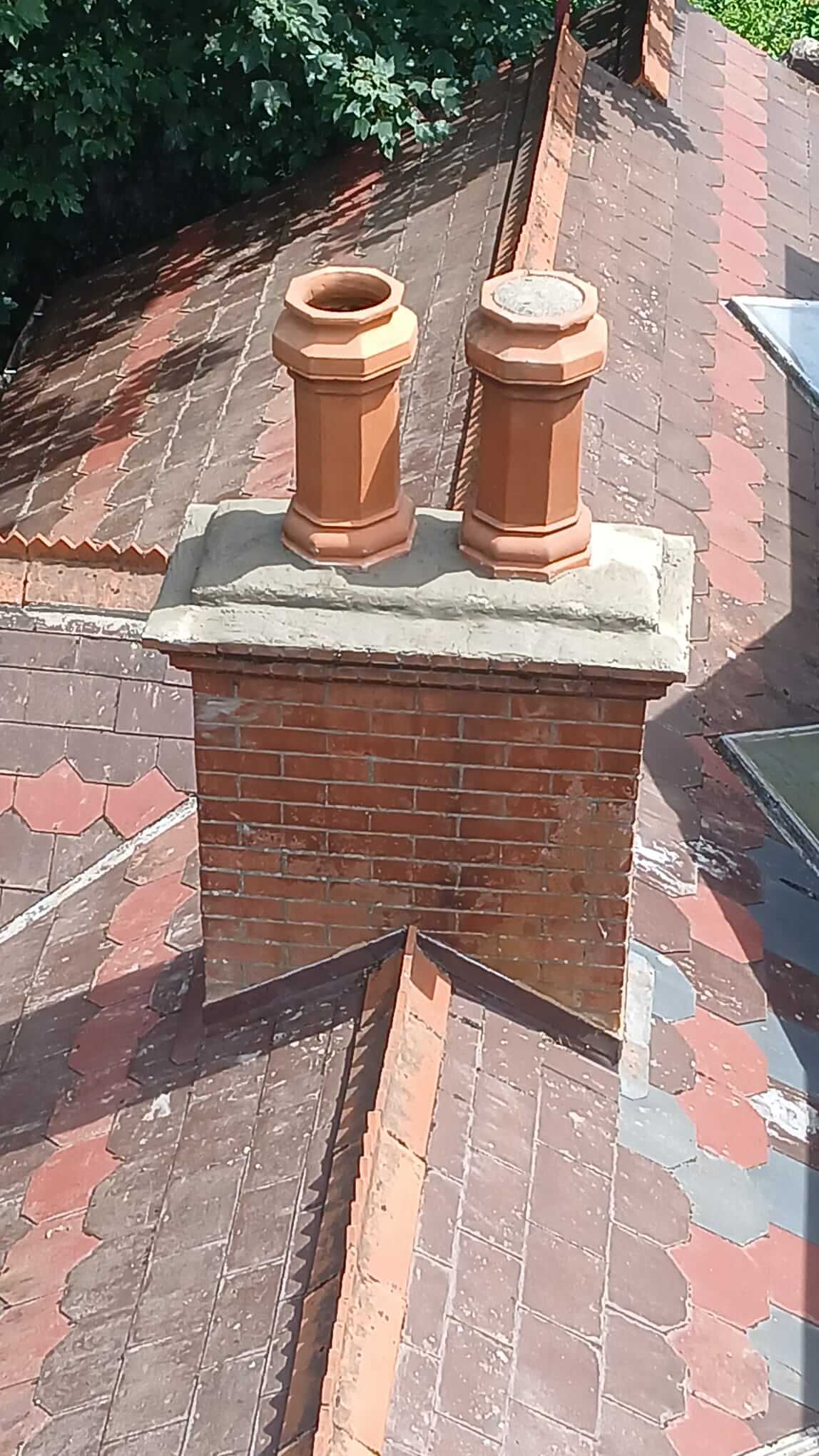
Chimney stacks are traditionally pointed in mortar between the bricks, and that mortar has a working life — usually 15-25 years in Dublin's climate before frost cycling starts cracking it out. Once pointing fails, water gets into the brickwork itself, which is where the next problem starts.
Spalling Brick and Cracked Concrete
Water that's penetrated failed pointing freezes inside the brick or concrete during winter, expands, and causes the surface to crack and flake away — a process called spalling. Left long enough, this weakens the structural integrity of the stack, not just its appearance.
Cracked Pots and Failed Capping
Cracked chimney pots let rainwater straight down the flue. Capping, fitted to a disused chimney to stop water ingress while maintaining ventilation, fails in a similar way to flashing — it cracks or lifts with age and needs periodic renewal.
Leaning or Structurally Unstable Stacks
A chimney stack visibly leaning from street level, or with a horizontal crack line running around it, is a structural issue, not a cosmetic one. This usually means long-term water penetration has weakened the mortar bed the stack sits on, and it needs assessment before it becomes a genuine safety risk in high winds.
What Happens When We Diagnose a Chimney Problem
Every chimney job starts with a full physical inspection of the stack, the flashing, and — where visible — the flue itself, rather than assuming the visible crack or damp patch is the whole story. We check the surrounding roof covering too, since a chimney leak often shows itself several tiles away from the actual chimney, having tracked along the underlay before dropping.
You get a written diagnosis and price before any work starts, and if what's found on site differs from what was visible from the ground — common with pointing failure, which often looks minor from below and turns out to be extensive once scaffolded — you're told before we proceed, not after.
Repointing uses mortar mixed to match the chimney's age and construction — lime-based mortar for older or period stacks, which needs to flex slightly with the building rather than crack, and cement-based mixes for modern construction. Flashing is code 4 or code 5 lead depending on the application, dressed properly into the brickwork rather than sealed on top with mastic, which is a common shortcut that fails within a couple of winters.
What Dublin Homeowners Say About Us




Don't Let a Small Leak Become a Big Repair Bill
Why Chimneys Fail Before the Rest of the Roof
A chimney stack moves differently to the roof structure around it, faces wind-driven rain from all four sides instead of one slope's worth, and is usually built from masonry rather than the timber-and-covering system the rest of the roof uses.
That mismatch is exactly why the junction between chimney and roof — the flashing — is the single most common failure point on the entire roof, not a random chimney fact.
It's the seam between two different structures moving at two different rates, and it's also why a damp patch near a chimney breast almost always originates at the chimney itself, even when the roof covering nearby is perfectly sound.
Areas We Cover Across Dublin
AD Roofing covers all of Dublin, with particularly deep experience across the South Dublin coastal and suburban belt. This isn't a padded list built to catch every possible search term — every area named here is somewhere we've genuinely worked.
South Dublin: Dún Laoghaire, Blackrock, Dalkey, Killiney, Foxrock, Stillorgan, Sandyford, Cabinteely, Monkstown, Sallynoggin, Deansgrange, Dundrum, Rathfarnham, Ballinteer, Knocklyon, Terenure, Rathmines, Ranelagh, Donnybrook, Sandymount
North Dublin: Malahide, Howth, Clontarf, Sutton, Portmarnock, Raheny, Swords, Fairview, Donnycarney, Killester, Artane, Coolock, Santry, Glasnevin, Drumcondra
West & Southwest Dublin: Lucan, Castleknock, Blanchardstown, Clondalkin, Tallaght, Rathcoole
Don't see your area listed? Call anyway — we cover greater Dublin as standard and will tell you honestly whether your job is a fit before you book anything in.
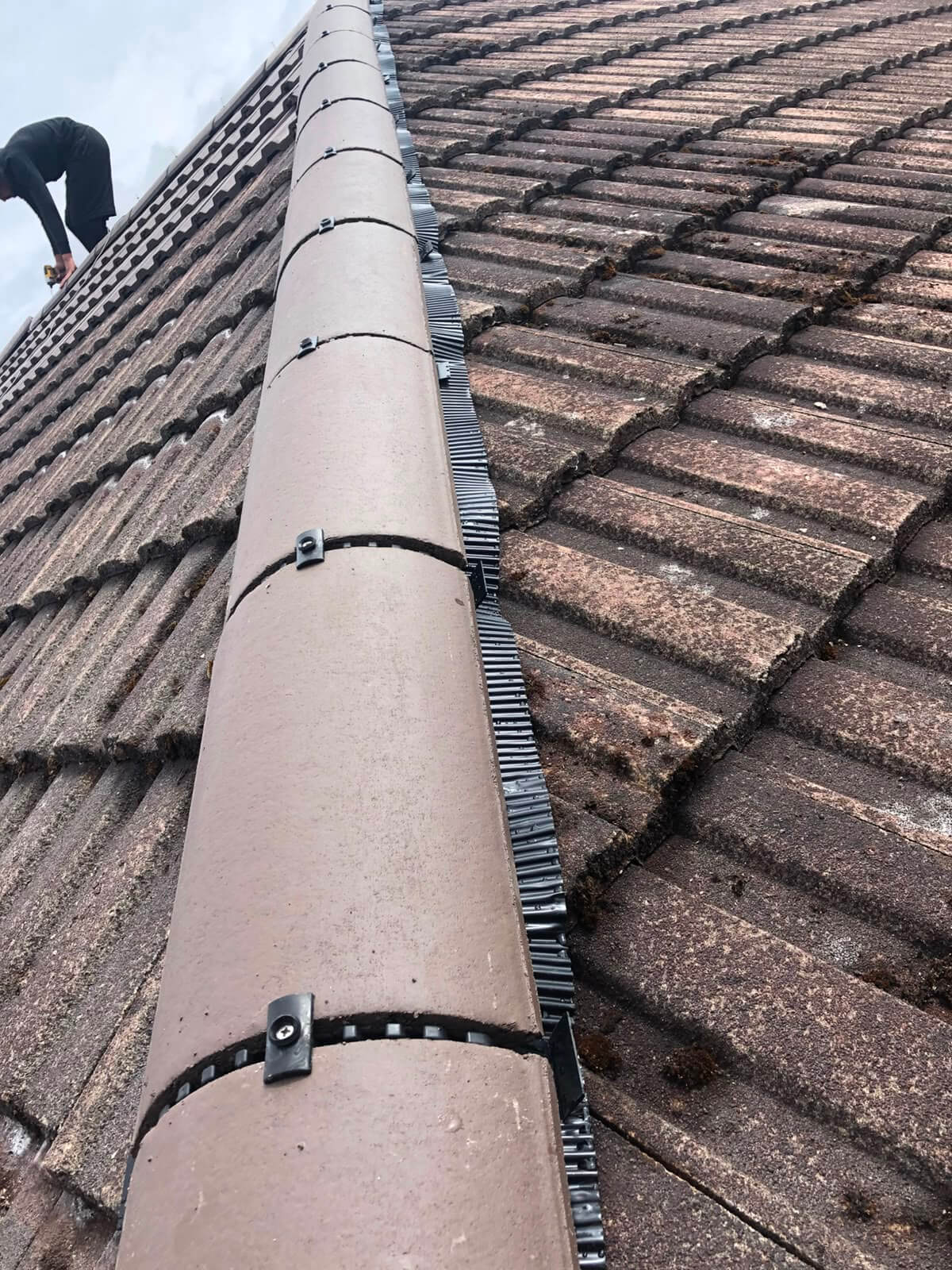
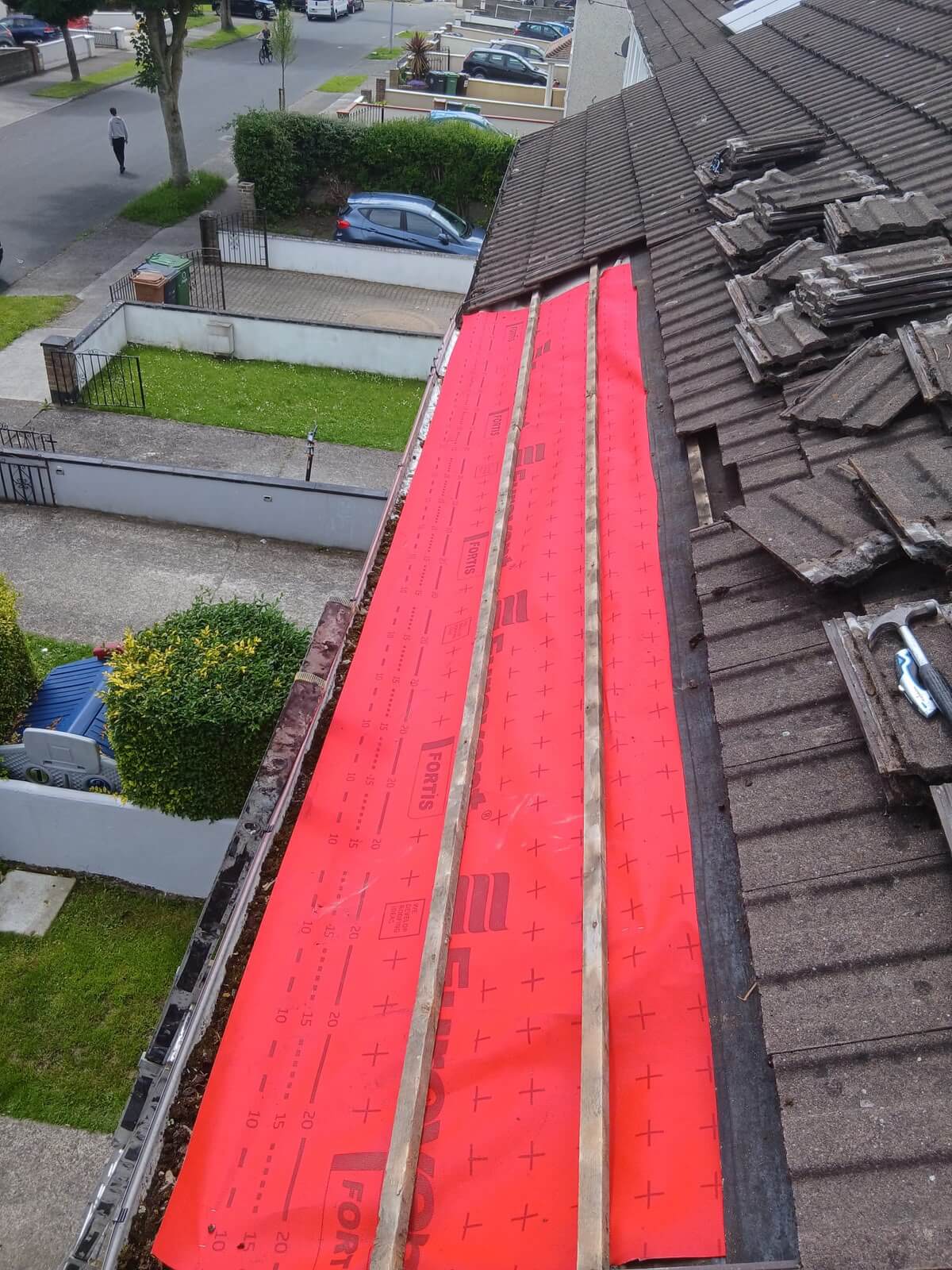
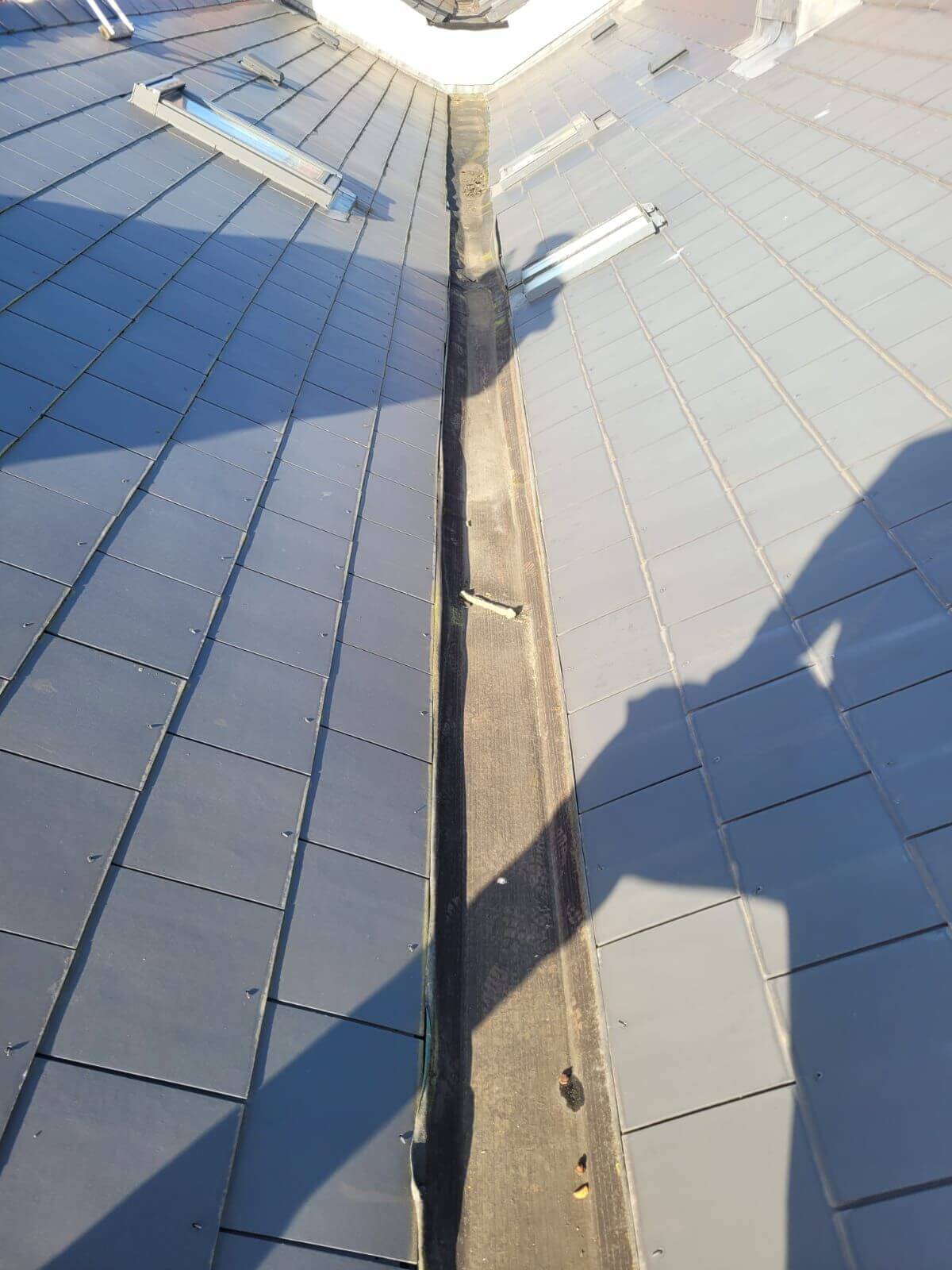
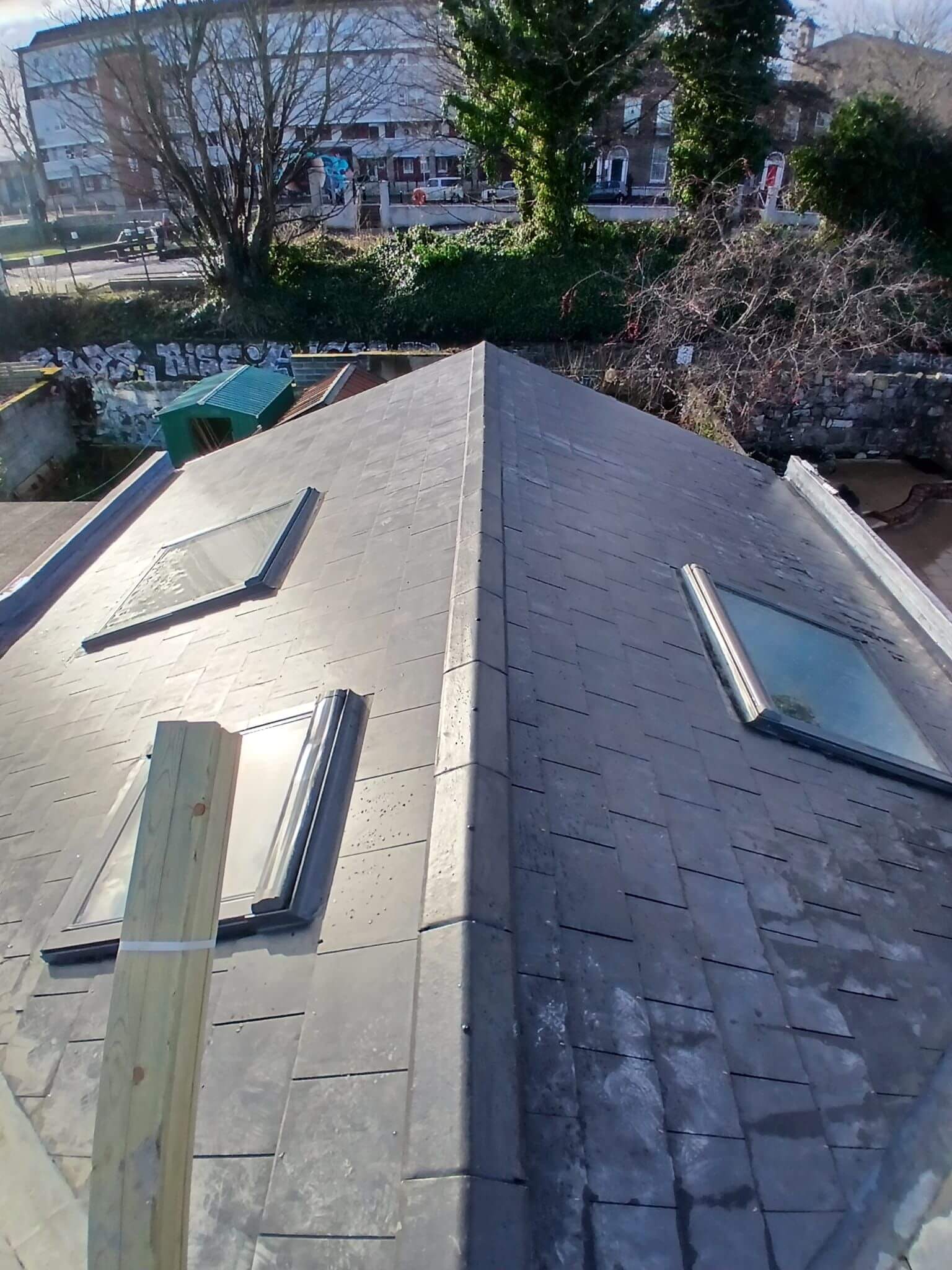
Photos Of Our Recent Roofing Jobs
Chimney Repair Frequently Asked Questions
How do I know if my chimney leak is a flashing problem or a pointing problem?
Flashing failures tend to show as a leak close to where the chimney meets the roof slope, often appearing quickly after heavy rain. Pointing failures show more gradually as damp on the chimney breast itself, worsening over successive winters as more mortar washes out. A physical inspection is the only reliable way to tell which — or whether it's both.
Is a leaning chimney dangerous?
It can be, particularly in high winds, since a structurally compromised stack is a falling-masonry risk to the roof below and anyone near the property. This isn't something to leave for the next available slot — call us and we'll prioritise it.
Can you repair a chimney without a full rebuild?
Often yes — repointing and flashing renewal address the majority of chimney issues we see. A full rebuild is only necessary where spalling or structural movement has gone on long enough to compromise the brickwork itself.
Do you fit bird guards, or only repair existing damage?
Both — a bird guard is a straightforward, low-cost addition on any chimney that doesn't have one, and it's worth fitting alongside any other chimney work rather than as a separate callout later.
Is scaffolding always needed for chimney work?
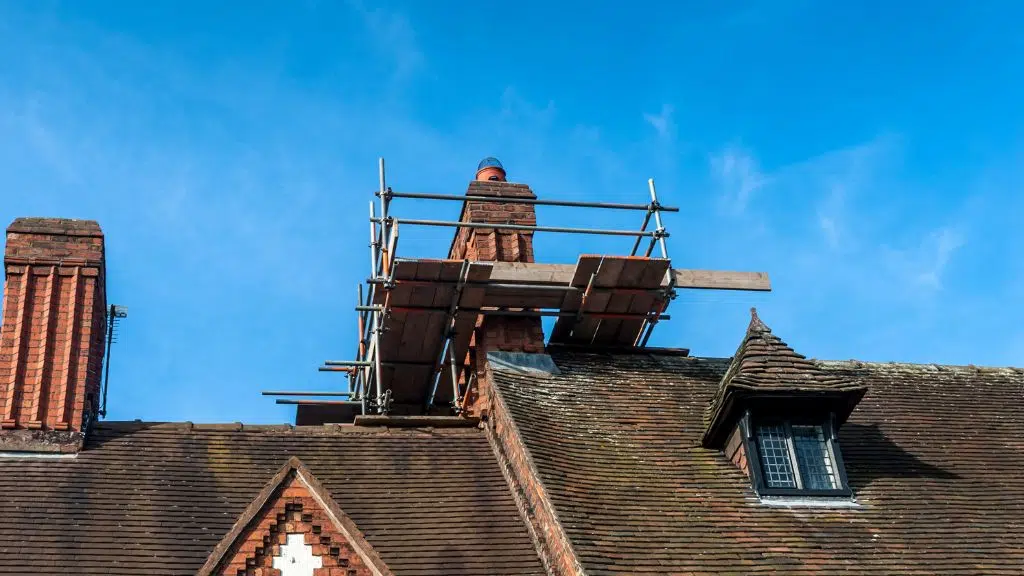
Usually, particularly on two-storey homes or stacks that aren't safely reachable from existing roof access. We'll confirm this during the inspection and price it separately so it's never a hidden surprise.
Do you check the roof around the chimney too, or just the chimney itself?
Always both — a chimney leak frequently affects the surrounding felt and tiles as water tracks away from the actual entry point, so a chimney-only repair that ignores the surrounding area can leave a problem unresolved.
Any Questions?
Ask Us
What Chimney Repairs Cost in Dublin
| Job Type | Typical Cost |
|---|---|
| Flashing repair/renewal | €300 – €800 |
| Repointing (per stack) | €350 – €900 |
| Chimney pot replacement | €150 – €400 per pot |
| Capping installation/renewal | €250 – €600 |
| Chimney flue/liner replacement | €800 – €1,200 |
| Bird guard installation | €80 – €200 |
| Partial stack rebuild | €1,500 – €3,000 |
| Full stack rebuild | €4,000 – €7,000+ |
Scaffolding is priced separately, typically €300–€1,200 depending on stack height and access — we'll always break this out rather than folding it into one vague total, so you know exactly what you're paying for.
Additional Roofing Services We Offer